The Ultimate Guide to Improving Indoor Air Quality in Your Home

Understanding Indoor Air Quality
Indoor Air Quality (IAQ) refers to the quality of the air inside buildings, particularly in relation to the health and comfort of occupants. It is crucial to recognize that the air we breathe indoors can be significantly more polluted than outdoor air, primarily due to various pollutants that can accumulate within enclosed spaces. The importance of maintaining healthy IAQ cannot be overstated, as poor air quality can lead to a myriad of health problems, including respiratory issues, allergies, and even long-term diseases.
Indoor air pollution can arise from several sources within the home. Common culprits include household cleaning products, mold spores, tobacco smoke, and emissions from appliances and furniture. For instance, volatile organic compounds (VOCs) commonly found in paints and solvents can evaporate and contribute to unhealthy air quality. Furthermore, inadequate ventilation can exacerbate the concentration of these pollutants, creating an environment that poses significant health risks to residents.
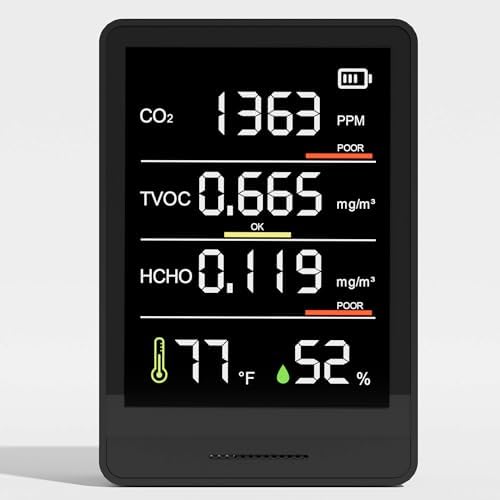
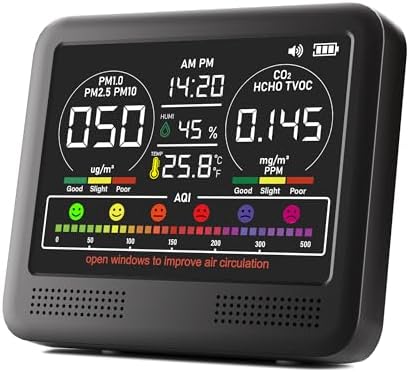
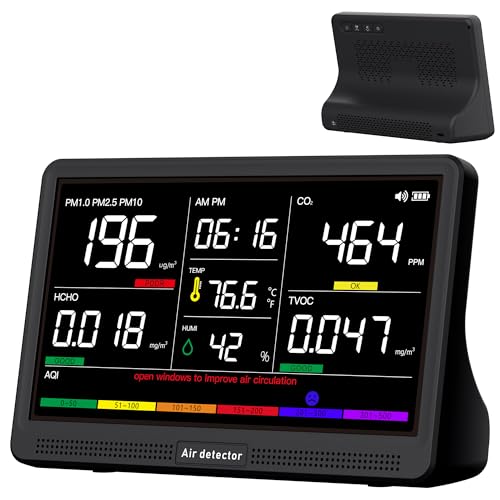
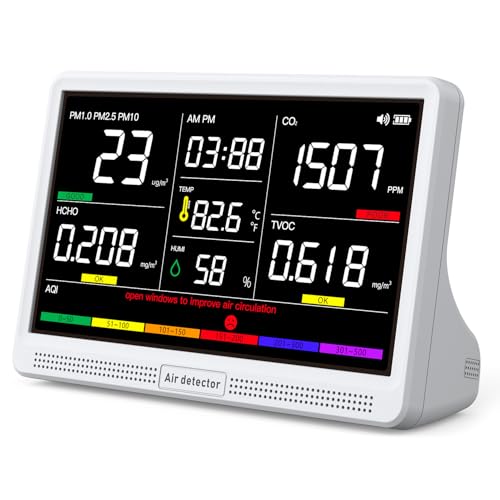
- 【MULTIFUNCTIONAL AIR QUALITY METER】This 5 in 1 air quality tester can real time accurate detect carbon dioxide (CO2), fo…
- 【COLOR LED SCREEN】This CO2 detector adopts intelligent color screen, which is super easy to read and shows clearly real …
- 【USB RECHARGEABLE BATTERY】This indoor air quality monitor adopts 1200mAh battery and supports USB charging, supporting a…
Health risks associated with poor indoor air quality are widespread and can manifest as allergic reactions, asthma, and other respiratory ailments. Individuals with pre-existing conditions, children, and the elderly are particularly vulnerable. For instance, exposure to high levels of particulate matter or chemical pollutants may lead to chronic health issues, necessitating proactive measures to mitigate such risks.
Key pollutants to watch for in your home include dust mites, pet dander, pollen, and mold, as well as more insidious chemicals released from household items. Awareness of these factors is the first step in improving indoor air quality. By understanding what comprises our indoor air, we can begin to take action towards creating a healthier living environment, setting the stage for effective strategies to enhance IAQ.
The Role of Ventilation
Proper ventilation plays a critical role in enhancing indoor air quality by facilitating the exchange of stale indoor air with fresh outdoor air. This process effectively reduces indoor air pollutants, allergens, and excess moisture, which are often the culprits behind respiratory problems and other health issues. An adequate ventilation system ensures that these contaminants are expelled from living spaces, thus creating a healthier environment for occupants.
One of the simplest and most cost-effective methods to improve ventilation is by opening windows. This allows for natural airflow, promoting an exchange that can refresh indoor air, particularly in rooms that may be prone to higher pollutant levels, such as kitchens and bathrooms. However, opening windows may not be practical during extreme weather conditions or in areas with high outdoor pollution levels. In such cases, utilizing exhaust fans can serve as an efficient alternative. These fans draw air out of a room, effectively expelling humidity and odors, specifically in spaces like bathrooms and kitchens where moisture tends to accumulate.
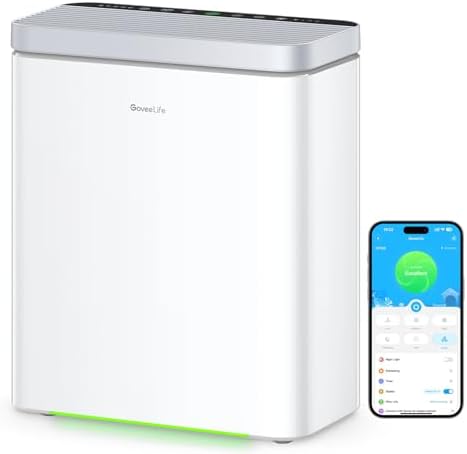
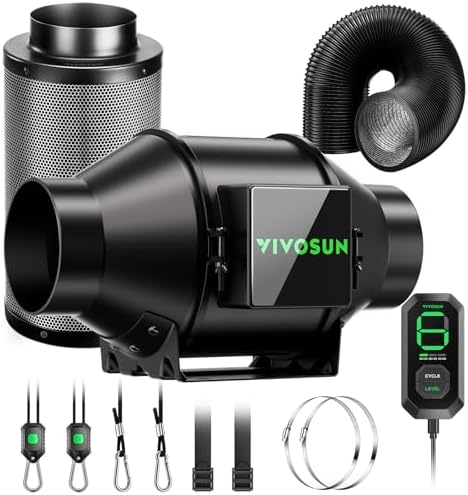

In addition to passive and mechanical ventilation methods, installing air exchange systems can provide a more sophisticated approach to managing indoor air quality. These systems work by bringing in filtered outdoor air while simultaneously expelling the contaminated indoor air, ensuring that a consistent flow of clean air is maintained throughout the home. It’s particularly beneficial in tightly constructed homes where natural airflow might be limited.
Different rooms require different strategies for effective ventilation. For instance, during cooking, it is advisable to run exhaust fans to mitigate smoke and cooking odors. Similarly, bedrooms should be ventilated regularly, both to maintain airflow and ensure a comfortable sleeping environment. By understanding when and how to ventilate various spaces effectively, homeowners can significantly enhance ventilation, thereby improving overall indoor air quality.
Source Control: Identifying and Reducing Pollutants
Maintaining high indoor air quality is essential for the health and well-being of occupants in any home. One of the most effective methods of improving indoor air quality is through source control, which involves identifying and mitigating the sources of indoor air pollutants. By taking proactive steps to reduce these pollutants, homeowners can significantly enhance the air quality in their living spaces.
Common sources of indoor pollution include tobacco smoke, which releases numerous harmful chemicals; cleaning products that may contain volatile organic compounds (VOCs); mold, which thrives in damp environments; and pet dander, a prevalent allergen in many households. Each of these elements contributes to poor air quality and can lead to various health issues, including respiratory problems and allergies. Understanding the origin of these pollutants is crucial for effective management.
To tackle tobacco smoke, the most straightforward approach is to establish a strict no-smoking policy inside the home. For cleaning products, opting for natural or eco-friendly alternatives can greatly reduce the emission of harmful chemicals. Homeowners are encouraged to read labels to select products with low VOC content, thus minimizing their impact on indoor air quality.
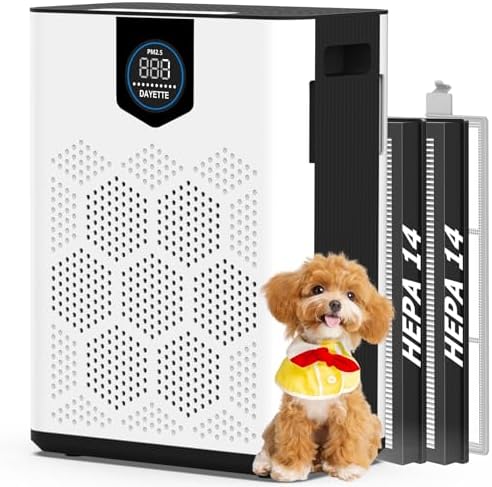
Furthermore, addressing mold growth is vital. This can be accomplished by ensuring proper ventilation in areas prone to dampness, such as bathrooms and kitchens. Regularly inspecting these areas and utilizing dehumidifiers can help prevent mold proliferation. As for pet dander, frequent cleaning and grooming of pets, along with the use of air purifiers equipped with HEPA filters, can significantly decrease allergen levels.
Incorporating these practical strategies into daily routines can lead to remarkable improvements in indoor air quality. By actively identifying and reducing sources of pollution, individuals can create a healthier living environment that promotes overall well-being.
Cleaning Habits That Promote Fresh Air
Maintaining fresh air in your home significantly depends on the cleaning habits you adopt. Integrating effective practices into your routine can greatly enhance indoor air quality and create a healthier living environment.
To begin with, it is crucial to select cleaning products that are less likely to emit volatile organic compounds (VOCs). Traditional cleaning supplies often contain harsh chemicals that can contribute to air pollution indoors. Opting for eco-friendly or non-toxic cleaning alternatives can minimize harmful emissions while still providing effective cleaning results. Look for products certified by recognized environmental organizations or consider making your own cleaning solutions with ingredients such as vinegar and baking soda, which are both safe and effective.
The frequency of cleaning tasks also plays an important role in maintaining air quality. Regular dusting and vacuuming are essential to reduce dust, allergens, and other particles that accumulate over time. Establishing a routine—such as dusting surfaces weekly and vacuuming floors at least twice a week—can substantially decrease airborne irritants. When vacuuming, it is advisable to use a vacuum cleaner equipped with a HEPA filter, as this type of filter captures finer particles and prevents them from being released back into the air.
Additionally, when cleaning surfaces, it is important to dampen cloths or mops to trap dust and prevent it from becoming airborne. Avoid dry dusting, as this method often stirs up particles into the air, counteracting your efforts. For households with pets, more frequent cleaning may be necessary to control pet dander and hair. Setting a regular schedule and employing effective cleaning techniques can help families maintain a cleaner, more breathable indoor environment.
Choosing the Right Air Filters
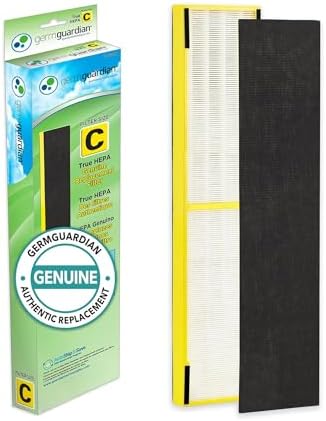
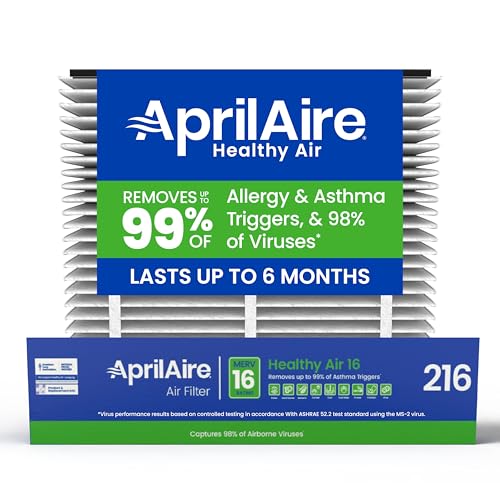
Air filtration is a vital aspect of improving indoor air quality, as it directly impacts the removal of airborne pollutants that can affect health and comfort. Various types of air filters are available, each designed to trap specific particles and allergens. One of the most effective options is the High-Efficiency Particulate Air (HEPA) filter, which can remove up to 99.97% of particles measuring 0.3 microns or larger. These filters excel at capturing dust, pollen, pet dander, and even smoke, making them a suitable choice for individuals with allergies or respiratory issues.
In addition to HEPA filters, there are several other types worth considering. For instance, pleated filters enhance airflow while filtering out larger contaminants, while activated carbon filters are particularly effective at removing odors and gases. When selecting an appropriate filter, consider the specific needs of your home environment and the types of pollutants that are most prevalent.
When it comes to choosing the right air filter for your system, compatibility is critical. Different HVAC systems require distinct filter sizes and types. Always check the manufacturer’s specifications to ensure you select a filter that fits properly and operates efficiently. Furthermore, the MERV (Minimum Efficiency Reporting Value) rating can serve as a useful guideline; higher ratings indicate higher effectiveness in trapping smaller particles.
To maintain optimal indoor air quality, regular maintenance of air filters is essential. It is generally recommended to replace filters every three months, but this may vary depending on factors such as household size, presence of pets, and local air quality. Additionally, monitoring the filter’s condition on a monthly basis can help identify when it’s time for a change. Adopting these practices will significantly contribute to a healthier indoor environment.
Humidity Control: Striking the Right Balance
Maintaining optimal humidity levels is crucial for promoting healthier indoor air quality in the home. Ideally, indoor humidity should be kept between 30% and 50%, as this range supports comfort while minimizing the growth of mold, dust mites, and other allergens. Excessive humidity, often exceeding 60%, can lead to the proliferation of mold and mildew, resulting in musty odors and potential health issues such as respiratory problems. Conversely, insufficient humidity, dropping below 30%, can cause dry skin, irritation of the respiratory tract, and increased susceptibility to infections.
To effectively manage indoor humidity, homeowners should consider using dehumidifiers and humidifiers appropriately. Dehumidifiers are particularly beneficial in areas prone to high moisture levels, such as basements and bathrooms. These devices work by extracting excess moisture from the air, thus helping to prevent mold growth and maintain a comfortable living environment. On the other hand, humidifiers add moisture to the air, which is particularly useful during dry winter months or in arid climates. When using humidifiers, it’s important to monitor the humidity levels to ensure they don’t rise above recommended thresholds.
To keep track of indoor humidity levels, investing in a hygrometer is advisable. This compact device measures the moisture content in the air, enabling adjustments to be made through the use of dehumidifiers or humidifiers as needed. Regularly checking humidity levels ensures that the home maintains a balanced atmosphere, contributing to overall well-being. Additionally, simple practices such as ensuring proper ventilation, sealing leaks, and utilizing exhaust fans in moisture-producing areas like kitchens and bathrooms can significantly assist in managing humidity levels effectively.
Incorporating Indoor Plants for Better Air Quality
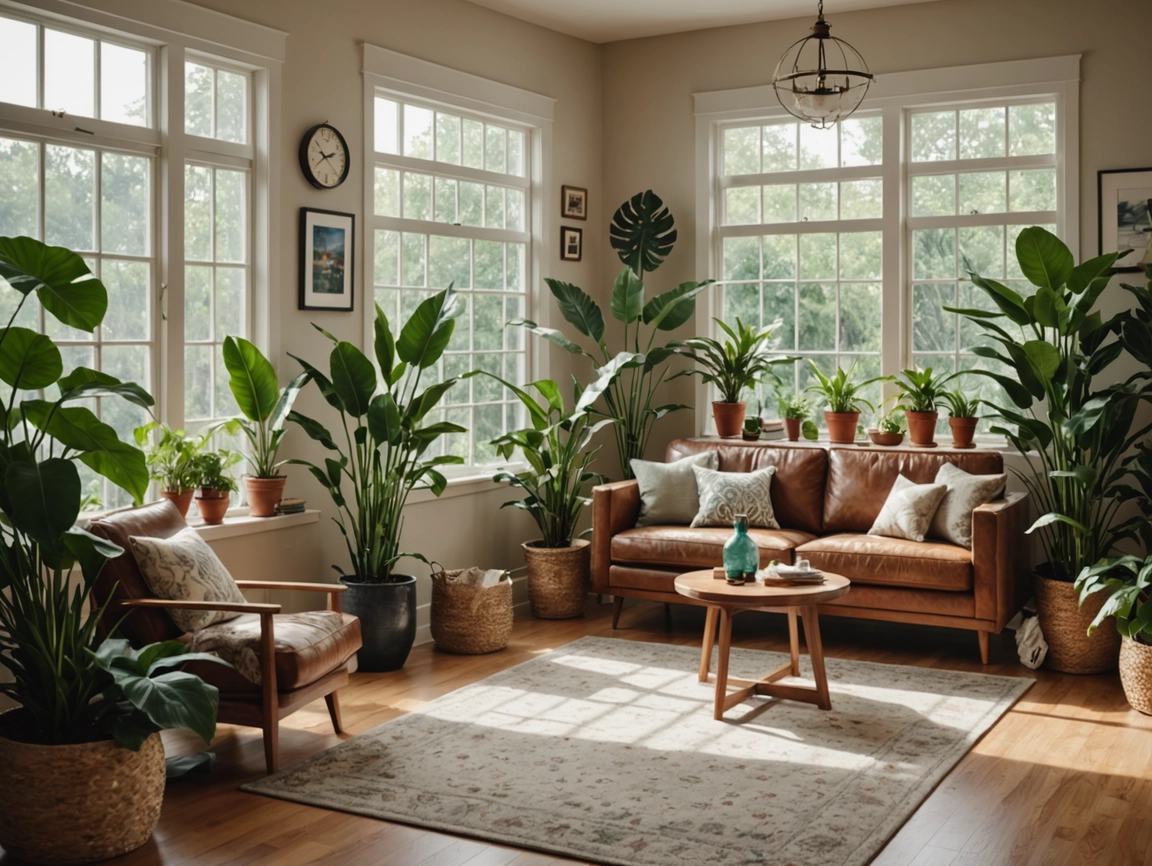
The incorporation of indoor plants into residential spaces has garnered attention for their potential to enhance air quality significantly. Various studies have demonstrated that houseplants can absorb toxins from the air, release oxygen, and improve humidity levels, thereby creating a healthier indoor environment. Popular choices include the Peace Lily, which is known for its ability to filter formaldehyde and benzene, and the Spider Plant, recognized for its resilience and ability to remove several indoor pollutants. Other notable options include Snake Plants, which convert carbon dioxide into oxygen during the night, and Pothos, effective in eliminating airborne toxins.
To maximize the air-purifying benefits of indoor plants, understanding the necessary care is essential. Most indoor plants thrive in well-draining soil, requiring consistent but moderate watering, typically every week or two, depending on the species and environmental conditions. Additionally, these plants prefer bright, indirect light, making it crucial to consider their placement within your home. For instance, placing a Snake Plant in your bedroom or a Peace Lily in the living room can enhance air quality in those frequently used spaces.

While there is no definitive guideline on the ideal number of plants for effective air filtration, a common recommendation is to have one plant per 100 square feet of home space. This can vary based on the type and size of the plants you choose. Furthermore, clustering plants together can create a mini-ecosystem, enhancing their collective impact on air quality. Proper placement and care can transform your indoor space into a more aesthetically pleasing environment while also nurturing a healthier atmosphere for you and your family.
When and How to Open Your Windows
Proper window ventilation is crucial for improving indoor air quality and ensuring a healthy living environment. One of the key considerations is determining when to open your windows for optimal air exchange. The outdoor weather conditions play a significant role; for instance, it is generally best to open your windows during cooler times of the day, such as early mornings or late evenings, when temperatures are more pleasant, and the air quality is often better.
Another essential factor to consider is the air quality outside. Monitoring local air pollution levels is vital, especially in urban areas. If the air quality index (AQI) indicates high levels of pollution due to traffic or industrial activities, it is advisable to keep windows closed to prevent hazardous pollutants from entering your home. In contrast, on days with favorable weather and low AQI, opening windows can facilitate a refreshing flow of air, contributing positively to indoor air quality.
Additionally, allergen levels can fluctuate based on the time of year. For example, pollen counts tend to be higher during the spring, making it a less favorable time to open windows for those with allergies. To manage allergens effectively, consider using window screens, which can allow for ventilation while reducing the influx of pollen and other irritants. In residential areas near heavy traffic, it may also be wise to keep windows closed during peak traffic hours, as this is when vehicle emissions are at their highest.
By understanding and applying these concepts regarding when and how to open your windows, homeowners can enhance their indoor air quality while minimizing the potential intrusion of pollutants and allergens. Making informed decisions based on specific environmental conditions will significantly benefit overall health and comfort.
Step-by-Step Tips for Families, Renters, and Pet Owners
Improving indoor air quality is essential for maintaining a healthy living environment for families, renters, and pet owners alike. Here’s a comprehensive checklist that can be adapted to fit various households, ensuring you can implement practical strategies to enhance air quality effortlessly.
1. **Regular Cleaning**: Establish a cleaning routine to dust, vacuum, and mop regularly. Use a vacuum equipped with a HEPA filter to effectively capture allergens like pet dander, pollen, and dust mites. Families with young children or pets should pay special attention to common play areas and carpets.
2. **Ventilation**: Open windows when weather permits to allow fresh air to circulate within your home. Consider using exhaust fans in kitchens and bathrooms to manage humidity; damp spaces can harbor mold and mildews that degrade air quality.
3. **Houseplants**: Incorporate indoor plants known for their air-purifying capabilities, such as Spider Plants, Snake Plants, or Peace Lilies. These can help remove VOCs (volatile organic compounds) and improve overall indoor air quality while also providing aesthetic benefits.
4. **Humidity Control**: Monitor humidity levels in your home, keeping them between 30-50%. Utilize dehumidifiers in damp areas such as basements to reduce mold growth and dust mites, contributing to improved indoor air quality.

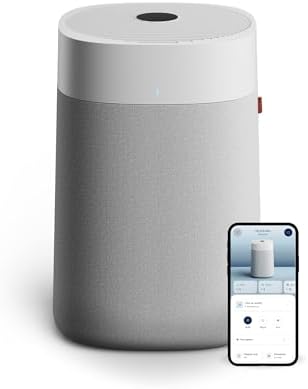
- Know your air – Amazon Smart Air Quality Monitor makes it easy to understand what’s in your indoor air.
- Track and measure – Keep tabs on 5 key factors: particulate matter (PM 2.5), volatile organic compounds (VOCs), carbon m…
- Stay informed – Get an indication of current air quality from the color-coded LED, and an easy-to-understand air quality…
5. **Air Purifiers**: Invest in a good quality air purifier equipped with a HEPA filter, especially if you have pets. This can significantly reduce airborne pollutants, allergens, and other contaminants, enhancing respiratory health for residents.


6. **Non-Toxic Products**: Opt for cleaning and personal care products that are non-toxic and free from harsh chemicals. Familiarize yourself with the ingredients in your household items, as many can contribute to indoor air pollution.
7. **Regular Maintenance**: Schedule regular maintenance for HVAC systems and change filters frequently to ensure efficient operation and clean air distribution throughout your home.
By following these step-by-step tips, families, renters, and pet owners can create a healthier indoor environment, ensuring that everyone enjoys improved indoor air quality with minimal effort.