Best Air Purifiers for Allergies and Asthma: 2025 Buyer’s Guide

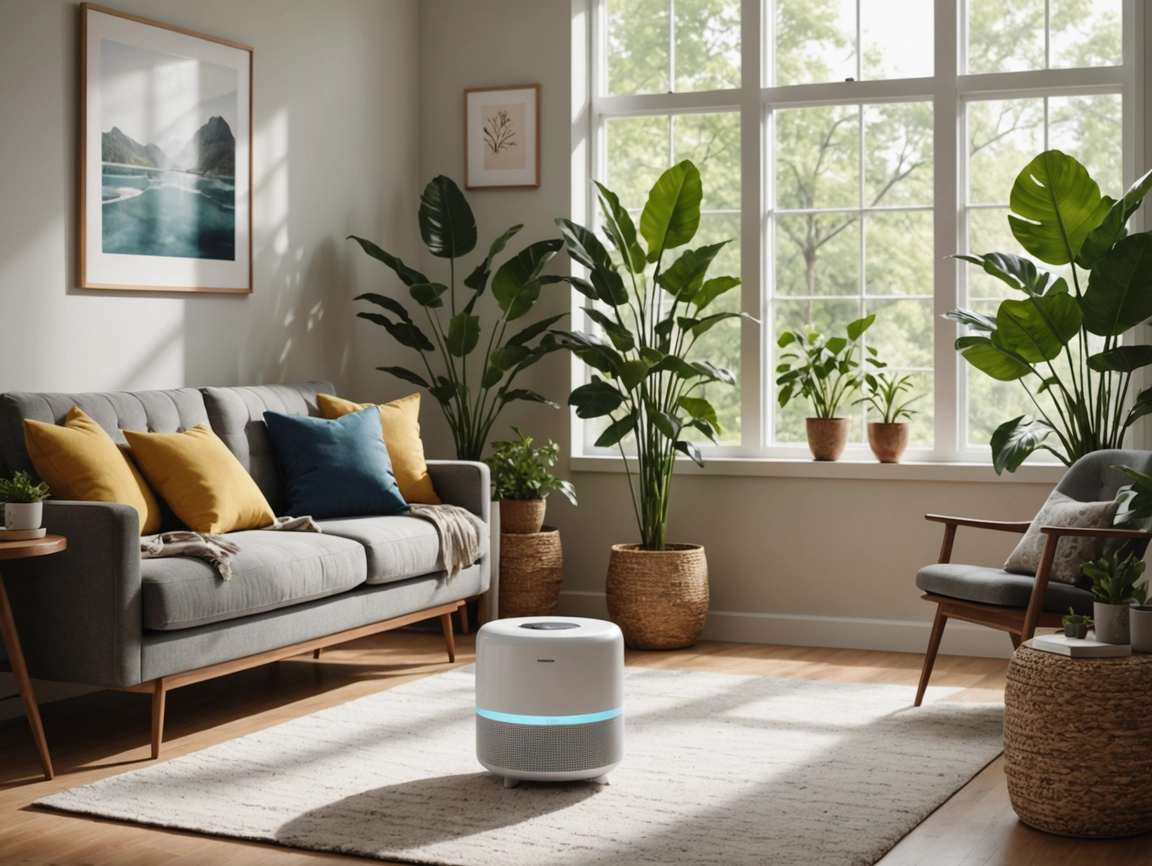
Living with allergies or asthma can turn everyday activities into a struggle, especially when your indoor air is full of dust, pollen, pet dander, and other invisible irritants. The right air purifier can dramatically cut these triggers and help you breathe easier at home in 2025, especially when you choose a model designed specifically for allergy and asthma relief.
Allergies and asthma are often triggered by airborne particles your eyes cannot see, and once those particles get into your nose and lungs they can cause inflammation, coughing, sneezing, and tightness in the chest. By filtering the air continuously, a good purifier can help reduce the overall load of these triggers so your body is not constantly fighting them, which can translate into better sleep, fewer flare‑ups, and more comfortable days at home or in the office.
Do Air Purifiers Really Help Allergies and Asthma?
Air purifiers work by drawing air through one or more filters that trap microscopic particles such as pollen, dust mites, mold spores, pet dander, and smoke. When the purifier runs long enough and often enough, the concentration of these particles in the room drops, which can mean fewer symptoms for people who are sensitive to them.
Research and clinical experience point to HEPA filtration as especially useful for people with asthma and allergies, because HEPA technology is engineered to capture around 99.97% of particles down to 0.3 microns. These include many of the most common triggers found in homes and apartments, such as fine dust and pollen that slip through ordinary HVAC filters and keep recirculating in the air.
It is important to remember that an air purifier does not replace medications or medical advice, but it can be a powerful supporting tool in an overall management plan. Combined with strategies like keeping windows closed on high‑pollen days, washing bedding in hot water, and limiting indoor smoke or strong fragrances, a purifier can help create a safer breathing zone around you.
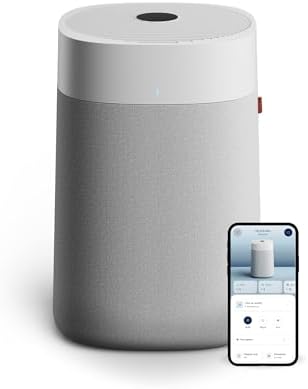


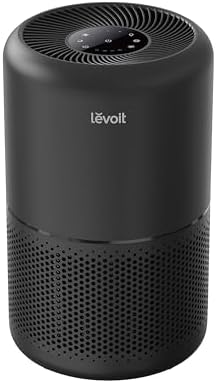

Key Features to Look For in the Best Air Purifiers for Allergies and Asthma
True HEPA Filter
The first and most important feature is a true HEPA filter, not “HEPA‑type” or “HEPA‑like,” which are often marketing terms without strict standards. A true HEPA filter is designed to trap tiny particles such as pollen, pet dander, dust mite debris, mold spores, and even some bacteria, making it ideal for allergy and asthma sufferers.
When you choose a purifier for 2025, check the product description for explicit mention of “true HEPA” along with performance claims or certification details. This gives you more confidence that the filter has been tested to a high standard and will actually remove the particles that bother you most.


Activated Carbon for Odors and Gases
While HEPA filters capture solid particles, many homes also contain gases and odors that can irritate sensitive airways. Volatile organic compounds from cleaning products, off‑gassing furniture, cooking fumes, and cigarette smoke can all hang in the air and contribute to poor indoor air quality.
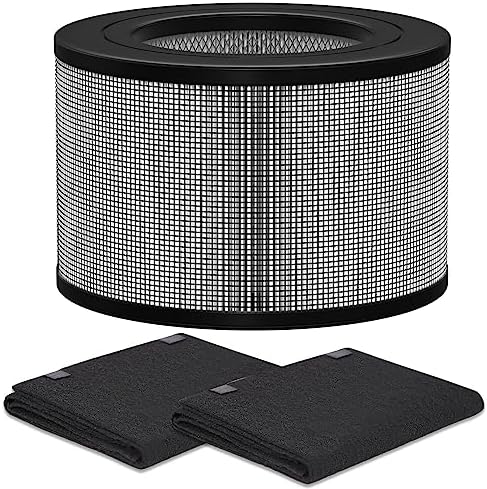
An activated carbon filter is designed to absorb many of these gases and smells, helping your home smell fresher while also reducing substances that may aggravate asthma or cause headaches. The best air purifiers for allergies and asthma in 2025 typically pair true HEPA with a solid carbon filter so they can handle both particles and odors at the same time.
CADR and Room Size
The Clean Air Delivery Rate, or CADR, indicates how quickly an air purifier can remove dust, pollen, and smoke from the air. Higher CADR values generally mean the unit can clean the air in a given room faster and more effectively, which is especially important for people with strong symptoms or large rooms.
Each purifier is rated for a certain room size, usually given in square feet, and matching that rating to your actual room size ensures the machine is not underpowered. For example, a small desktop unit built for 150 square feet will struggle in a big open living room, while a high‑capacity tower designed for 500 or 800 square feet will feel like overkill in a tiny home office.
Noise Level and Sleep Mode
Because many allergy and asthma sufferers need help most at night, noise level is a key factor in choosing a purifier. A model that is too loud can disturb your sleep, while a quiet purifier can run all night in the background and keep the air clean without bothering you.
Most good air purifiers list their noise level in decibels, and many 2025 models include a sleep mode or ultra‑quiet setting designed specifically for bedrooms and nurseries. If you are a light sleeper, it is worth prioritizing a quieter unit even if that means a slightly higher price.
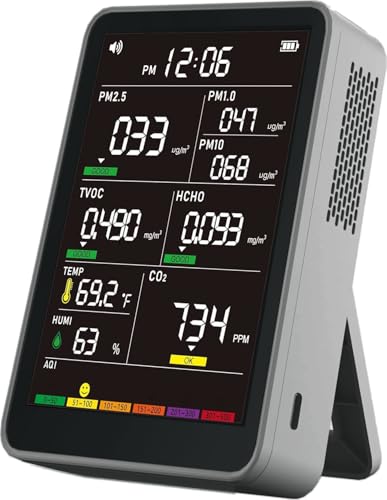



Smart Features, Sensors, and Filter Indicators
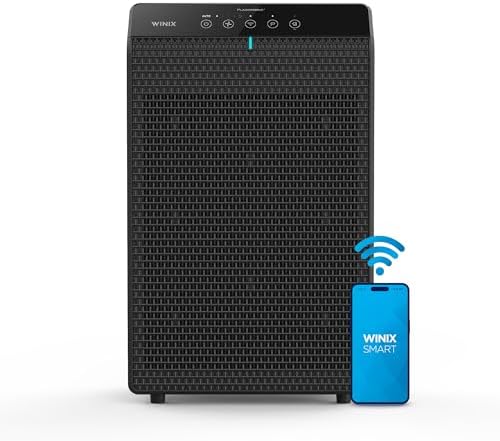
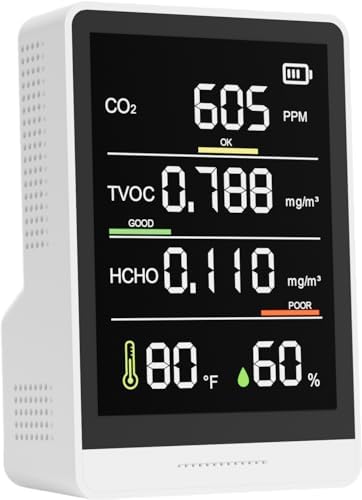
Modern air purifiers increasingly include smart features such as Wi‑Fi connectivity, mobile apps, voice assistant compatibility, and built‑in air quality sensors. These sensors can detect changes in particle levels and automatically increase the fan speed when the air becomes more polluted, then slow down again once levels drop.
Filter indicators are also important because they remove the guesswork around maintenance; a simple light or message lets you know when it is time to replace filters to maintain peak performance. Combined with app notifications and usage tracking, these features help you get the most out of your investment while keeping your home’s air consistently cleaner.
Best Air Purifier Types for Allergies and Asthma
Portable Room Air Purifiers
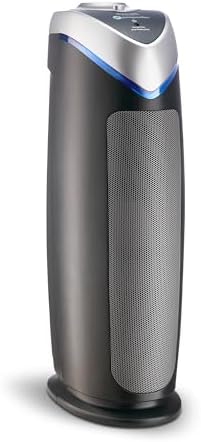
Portable room air purifiers are the most common and flexible option for dealing with allergies and asthma. They are designed to clean the air in specific rooms such as bedrooms, living rooms, or home offices and can be moved wherever they are needed most.
These units often combine true HEPA and carbon filters in compact housing, making them a practical choice for apartments or smaller homes. Because they are plug‑and‑play devices that require no installation, they are usually the easiest way to start improving your indoor air quality right away.


Whole-House Air Purifiers
Whole‑house air purifiers work differently: they connect to your central heating and cooling system and clean the air circulating through your ducts. This can be an effective way to improve air quality throughout the entire home, rather than in just one or two rooms.
However, these systems normally require professional installation and can be more expensive up front, which may put them out of reach for some households. For many people, combining a standard HVAC filter upgrade with one or two strong portable units in key rooms is a more flexible and budget‑friendly strategy.
Technologies and Devices to Avoid
Some air cleaning devices rely heavily on ozone or unregulated ionization technologies, which can actually make conditions worse for people with asthma or other lung issues. Ozone in particular is a respiratory irritant, and agencies warn against using ozone generators in occupied spaces.
When shopping, be cautious about products that market “ozone power” as a feature or promise to sanitize the air using high levels of reactive gases. Sticking with proven methods like HEPA and activated carbon filtration is generally safer and more effective for allergy and asthma management.
Matching Air Purifiers to Different Needs in 2025
Best Air Purifiers for Pet Allergies
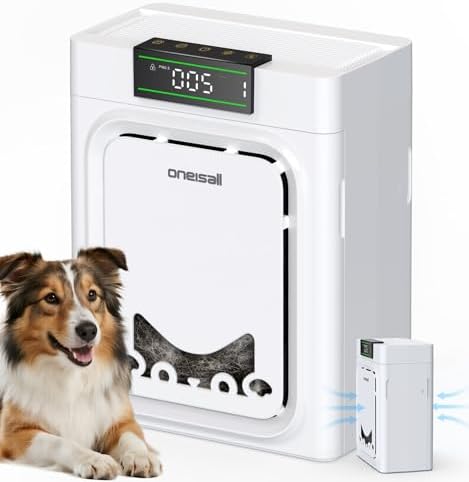
Pets bring love and companionship, but they also bring dander, hair, and odors that can set off allergies and asthma. The best air purifiers for pet allergies focus on strong HEPA filtration for dander and hair, plus robust pre‑filters and carbon filters to capture fur and smells.
Placing one of these purifiers in the bedroom and another in the main living area can make a noticeable difference if you share your home with cats or dogs. When combined with regular vacuuming and grooming, a good purifier can help keep pet‑related symptoms under control without forcing you to limit time with your animals.

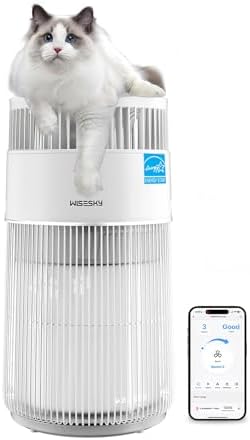
Best Air Purifiers for Small Rooms
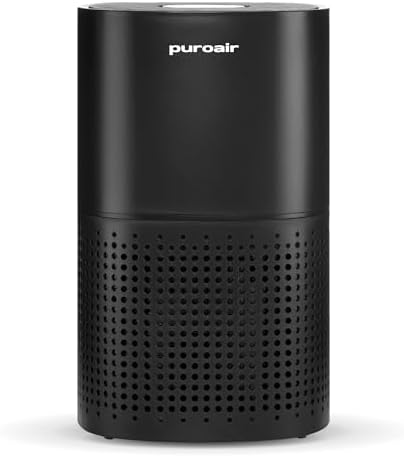
Small bedrooms, nurseries, and home offices typically do not need huge machines, but they still benefit from focused HEPA filtration. Compact units built for up to 150 or 200 square feet can quietly clean the air while taking up very little floor or desk space.
Because they use smaller fans and motors, many of these compact purifiers are relatively energy efficient and affordable, making them attractive for renters, students, or anyone on a tight budget. Just be sure that the model you choose has a real HEPA filter and not just a basic dust screen.


Best Air Purifiers for Large Rooms and Open Spaces
Large living rooms, open‑plan spaces, and combined kitchen‑living areas require more powerful air purifiers with higher CADR ratings. These units often have larger fans, multiple filter layers, and several speed settings to move enough air to keep up with the bigger volume.
In these spaces, you may also want to consider units that use advanced particle sensors and auto modes, so they can ramp up airflow when cooking fumes, smoke, or dust levels spike. While these machines cost more than small bedroom units, they can dramatically improve comfort and air quality in the rooms where your family spends most of its time.


How to Choose the Best Air Purifier for Your Allergy and Asthma Symptoms
Step 1: Identify Your Main Triggers
Everyone’s triggers are slightly different, so the first step is to think about what usually sets off your symptoms. Some people react mostly to seasonal pollen, others to dust mites and mold, and others to pet dander or smoke.
If your main problem is particles like pollen and dust, focus on purifiers with strong HEPA performance and good CADR scores for dust and pollen. If odors, smoke, or chemical smells bother you the most, pay extra attention to the size and quality of the carbon filter as well.
Step 2: Measure Your Space
Next, measure the length and width of the room where you plan to use the purifier and multiply them to get square footage. Compare that number to the “maximum room size” or “coverage area” listed in purifier descriptions to find a good match.
Choosing a unit with a capacity a bit larger than your room size gives you a margin of safety and can help the machine run more quietly at lower speeds while still keeping the air clean. On the other hand, using an undersized unit in a big room will often leave you disappointed with the results.
Step 3: Set a Realistic Budget
When you set a budget, include both the initial cost of the air purifier and the ongoing cost of replacement filters. HEPA and carbon filters have a limited lifespan, and most need to be replaced every 6 to 12 months depending on your air quality and usage.
Some brands offer filter packs that last longer or cost less per year, while others may require more frequent or more expensive replacements. Reading about filter life and replacement prices before you buy can prevent surprises and help you choose a purifier that fits your long‑term budget.
Using Your Air Purifier for Maximum Allergy and Asthma Relief
Placement Tips
Where you place your air purifier has a big impact on how well it works. Ideally, the unit should sit in the room where you spend the most time, such as your bedroom at night or the living room during the day.
Try to keep the intake and output areas clear of walls, curtains, and large furniture so air can circulate freely. If you use multiple purifiers in different rooms, spreading them out instead of clustering them together will help each one cover its own space more effectively.
How Long to Run Your Purifier
For the best results, many experts recommend running your air purifier continuously, especially during high‑pollen seasons or when local air quality is poor. Leaving the machine on a low or auto mode keeps the air consistently cleaner instead of letting allergens build up and then trying to catch up later.
If energy use is a concern, look for models with Energy Star ratings and efficient motors, which can run 24/7 without dramatically increasing your electricity bill. Some smart purifiers can also reduce fan speed automatically when air quality improves, saving power while maintaining a baseline of clean air.
Maintenance and Filter Replacement
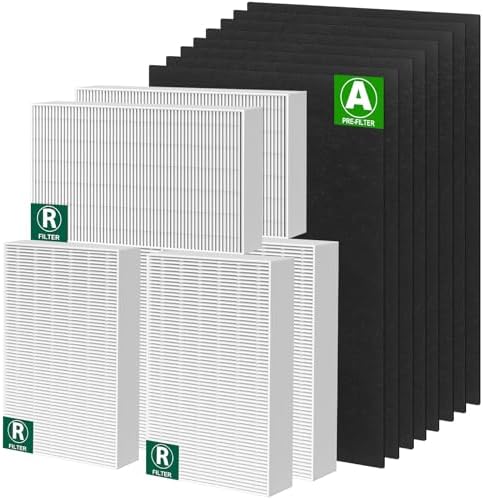
Regular maintenance is crucial for keeping your purifier working at peak performance. Many units have washable or vacuumable pre‑filters that catch hair and larger dust particles before they reach the HEPA filter, and cleaning these regularly helps extend the life of the main filter.
HEPA and carbon filters eventually become saturated and need to be replaced; if you ignore this, airflow drops and filtration becomes much less effective. Following the manufacturer’s recommended replacement schedule and paying attention to filter indicator lights will help you maintain strong performance and keep allergens and irritants under control.
Final Thoughts on Choosing the Best Air Purifiers for Allergies and Asthma in 2025
Indoor air quality has become a bigger concern than ever, and for people living with allergies and asthma, it is not just a comfort issue but a health priority. By choosing an air purifier with true HEPA filtration, adequate CADR for your room size, meaningful carbon filtration, and features that match your lifestyle, you can make a real difference in your daily comfort.
In 2025, there are more choices than ever, from compact bedroom units to smart large‑room purifiers packed with sensors and app controls. With a thoughtful selection and consistent use, the best air purifiers for allergies and asthma can help you breathe easier, sleep better, and feel more in control of your environment every day.