Water Quality Testing Made Easy: Complete Guide to Home Water Test Kits (2025 Reviews)

Is Your Tap Water Really Safe? Here’s How to Find Out
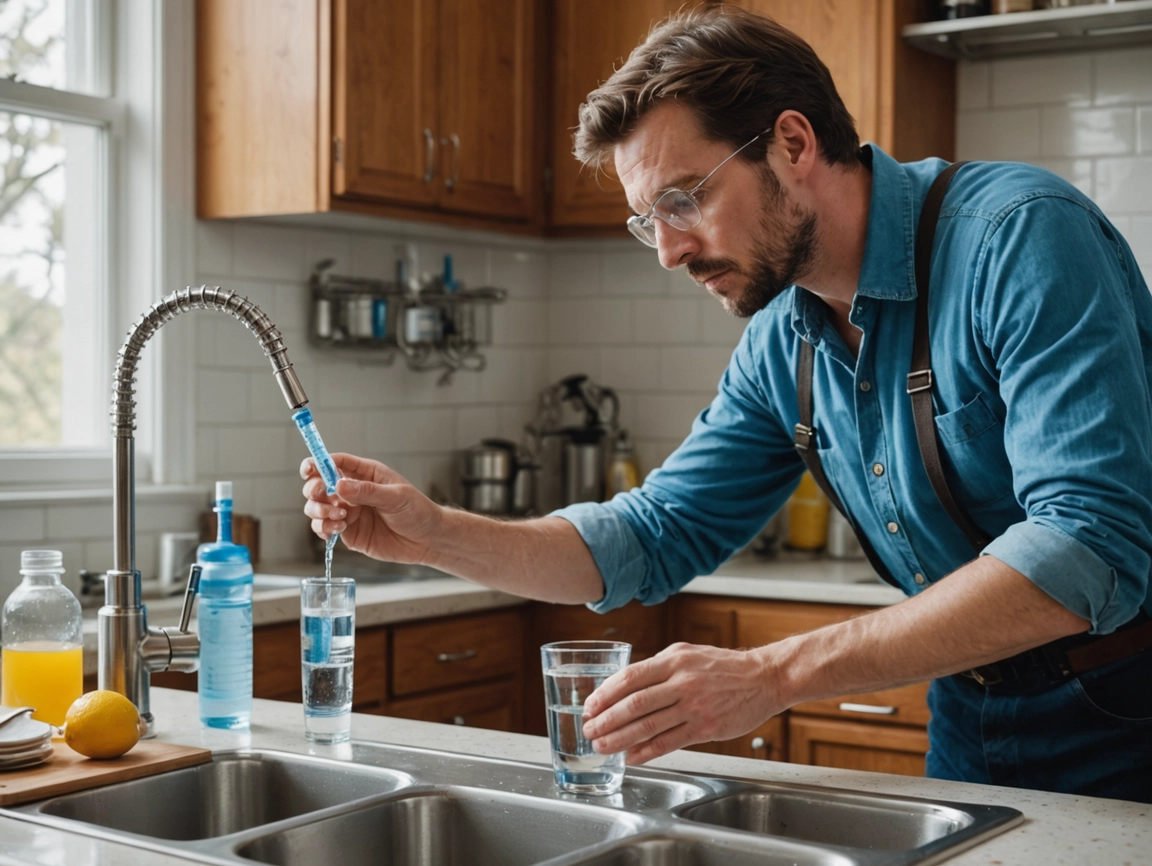
Every time you fill a glass from your kitchen tap, brew morning coffee, or prepare your child’s bottle, you’re making a critical assumption: that your water is safe. But what if that assumption is wrong?
Recent research reveals that at least 45% of U.S. tap water contains PFAS, heavy metals, bacteria, and other contaminants. Even more alarming, the EPA estimates that 7.2 million Americans suffer from waterborne illnesses annually due to bacterial contamination.
The reality is that you cannot see, taste, or smell most water contaminants. Municipal water treatment provides a baseline of safety, but aging pipes, industrial pollution, and emerging contaminants mean that what comes out of your tap might not be as clean as you think.
The good news? Testing your water has never been easier or more affordable. In 2025, home water testing technology has advanced dramatically, giving you accurate results without the hassle and expense of traditional laboratory testing—though professional lab tests remain the gold standard for comprehensive analysis.
This complete guide will walk you through everything you need to know about water testing: which contaminants to test for, how to choose between DIY and laboratory kits, how to interpret your results, and most importantly, which specific water test kits actually deliver accurate, reliable information you can trust.
Why Water Testing Matters More Than Ever in 2025
Water quality concerns have escalated dramatically in recent years, driven by infrastructure failures, emerging contaminants, and increased public awareness following crises like Flint, Michigan.
The Infrastructure Crisis
America’s water infrastructure is aging dangerously. Lead service lines still connect millions of homes to water mains, old pipes corrode and leach metals, and treatment facilities built decades ago weren’t designed to remove modern contaminants like PFAS or pharmaceutical residues.
Even if your municipality provides clean water to your neighborhood, contamination can occur between the water main and your faucet. Your home’s plumbing—especially if built before 1986—may introduce lead, copper, and other metals that municipal testing never detects.
Emerging Contaminants
Forever chemicals (PFAS), microplastics, pharmaceutical residues, and new industrial chemicals pose threats that weren’t even on the radar when most water treatment systems were designed. Municipal testing often doesn’t include these emerging threats, leaving households vulnerable without their knowledge.
On May 14, 2025, the EPA announced it will keep current regulations for PFOA and PFOS but intends to rescind regulations for other PFAS compounds, creating uncertainty about future water safety standards and making home testing even more critical.
Well Water Vulnerability
If you rely on a private well, you’re entirely responsible for water safety. Unlike municipal systems, well water receives no regular monitoring or treatment. Contamination from agricultural runoff, septic systems, industrial sites, or natural geological sources can occur without warning.
The Knowledge Gap
Most people have no idea what’s actually in their tap water. Municipal water quality reports provide general information about community water before it reaches your home, but they can’t tell you about contamination from your specific plumbing or local conditions.
Testing puts you in control, providing specific information about your water so you can make informed decisions about filtration, treatment, or alternative water sources.
Understanding Different Types of Water Test Kits
Not all water test kits are created equal. Understanding the three main categories helps you choose the right option for your specific needs and concerns.
DIY Test Strips: Quick Screening
Test strips represent the most accessible entry point to water testing. These small strips contain chemical reagents that change color when exposed to specific contaminants.
How They Work: Dip the strip in water, wait for the specified time (typically 30-60 seconds), then compare the color changes to a reference chart included with the kit.
What They Test: Common parameters include pH, hardness, chlorine, lead, bacteria indicators (nitrates/nitrites), iron, copper, and fluoride. Some comprehensive strips test for 10-17 different parameters simultaneously.
Accuracy Considerations: Test strips are the least accurate method, mostly because matching colors can be subjective and prone to user error. However, studies show they can reliably detect whether contaminants are present, even if precise concentration measurements are uncertain.
Best Use Cases: Initial screening, routine monitoring of known issues, checking filter performance, or confirming that previously identified problems remain resolved.
Digital Water Testers: Real-Time Measurements
Digital testers use electronic probes to measure water properties, displaying numerical results on LCD screens within seconds.
Common Types:
- TDS (Total Dissolved Solids) meters measure all dissolved minerals and salts
- pH meters provide precise acidity/alkalinity measurements
- Conductivity meters assess water’s electrical conductivity
- Specialized meters for specific contaminants
Advantages: Digital instruments are often calibrated to be accurate down to plus or minus 2 percent, eliminating the subjectivity of color-matching with test strips.
Limitations: Most digital testers measure general water properties rather than specific health-threatening contaminants. A TDS meter can tell you that dissolved solids are present, but not whether those solids are harmless minerals or dangerous heavy metals.
Best Use Cases: Monitoring filter effectiveness, tracking water softener performance, checking aquarium or hydroponic systems, or measuring specific parameters like pH when precise numbers matter.
Laboratory Mail-In Kits: Comprehensive Analysis
Laboratory testing provides the most accurate, comprehensive water analysis available. You collect samples following specific instructions, mail them to EPA-certified laboratories, and receive detailed professional results.
How They Work: Test kit companies provide sterile collection containers, detailed instructions, prepaid shipping labels, and chain-of-custody documentation. Certified laboratories analyze your samples using EPA-approved methods, then deliver results via detailed reports.
Accuracy Level: Laboratory testing kits provide the highest accuracy, detecting contaminants at levels 100-1000 times lower than DIY test strips. Professional labs achieve 99.9% accuracy using EPA-certified methods.
What They Test: Comprehensive panels can analyze 100-200+ parameters including heavy metals, PFAS, VOCs, pesticides, herbicides, bacteria, parasites, radioactive particles, and physical properties.
Turnaround Time: Most labs deliver results within 3-7 business days after receiving samples, though some specialized tests may require additional time.
Best Use Cases: Initial baseline testing, confirming DIY positive results, testing for comprehensive contaminant panels, situations requiring documentation (real estate transactions, rental disputes, health concerns), or whenever accuracy is paramount.
The 10 Most Important Contaminants to Test For
With thousands of potential water contaminants, knowing what to prioritize prevents analysis paralysis and wasted money on unnecessary testing.
1. Lead: The Silent Neurotoxin
Lead exposure poses serious health risks, especially for children and pregnant women. There is no safe level of lead exposure, with even small amounts causing permanent neurological damage in developing brains.
Why Test: Lead cannot be seen, tasted, or smelled. Your home’s plumbing may leach lead into water, particularly in buildings constructed before 1986. First-draw morning water typically contains the highest concentrations.
Safe Level: EPA action level is 15 ppb, but health experts recommend keeping levels below 1 ppb, especially for children.
2. Bacteria (Total Coliform and E. Coli)
Bacterial contamination indicates fecal pollution and potential presence of disease-causing organisms.
Why Test: EPA estimates that 7.2 million Americans suffer from waterborne illnesses annually due to bacterial contamination. Well water is particularly vulnerable after flooding, heavy rainfall, or nearby septic system failures.
Safe Level: Zero detection. Any positive result for coliform bacteria requires immediate action, and E. coli detection indicates dangerous fecal contamination.
3. PFAS (Forever Chemicals)
Per- and polyfluoroalkyl substances persist in the environment indefinitely, accumulating in human bodies and causing serious health problems.
Why Test: PFAS pollute the water of more than 143 million people and are linked to cancer, immune system suppression, thyroid disease, and reproductive problems. Municipal testing may not include PFAS analysis.
Safe Level: EPA has set maximum contaminant levels of 4 ppt for PFOA and PFOS individually, though health experts suggest even lower levels pose risks.
4. Nitrates
These nitrogen compounds enter water through agricultural fertilizer runoff, sewage, and septic systems.
Why Test: Nitrates are especially dangerous for infants, causing “blue baby syndrome” by interfering with blood’s oxygen-carrying capacity. Pregnant women and infants face the highest risks.
Safe Level: EPA maximum contaminant level is 10 mg/L (measured as nitrogen), but experts recommend keeping levels below 5 mg/L for infant safety.
5. Arsenic
This naturally occurring element can also result from industrial pollution and pesticide use. The EPA classifies arsenic as a human carcinogen.
Why Test: Long-term exposure increases cancer risk, causes skin lesions, cardiovascular disease, and neurological problems. Arsenic is odorless, colorless, and tasteless.
Safe Level: EPA maximum contaminant level is 10 ppb, though lower levels still pose health risks with long-term exposure.
6. Water Hardness
Hard water contains high concentrations of calcium and magnesium minerals.
Why Test: While not a health hazard, hard water damages appliances, creates scale buildup, interferes with soap effectiveness, and can dry out skin and hair. Testing determines whether water softening would be beneficial.
Guidelines: 0-60 mg/L is soft; 61-120 mg/L is moderately hard; 121-180 mg/L is hard; above 180 mg/L is very hard.
7. pH Level
pH measures water’s acidity or alkalinity on a scale of 0-14, with 7 being neutral.
Why Test: Extremely acidic or alkaline water corrodes pipes, leaching metals into drinking water. pH affects taste and indicates potential plumbing corrosion issues.
Safe Range: EPA recommends pH between 6.5-8.5 for drinking water.
8. Chlorine and Chloramine
Municipalities add these disinfectants to kill bacteria, but residual levels can affect taste and may have health implications.
Why Test: High chlorine levels cause taste and odor problems. Chlorine can also form harmful disinfection byproducts (THMs and HAAs) when reacting with organic matter.
Safe Level: EPA allows up to 4 mg/L for chlorine and chloramine, though taste issues typically occur above 1 mg/L.
9. Copper
Copper enters water through corrosion of copper pipes, especially in acidic or soft water conditions.
Why Test: High copper levels cause gastrointestinal distress and, with chronic exposure, can damage the liver and kidneys. Blue-green staining on sinks indicates elevated copper.
Safe Level: EPA action level is 1.3 mg/L, though taste issues occur at lower concentrations.
10. Iron
Iron is a common mineral that doesn’t pose health risks but creates significant aesthetic and practical problems.
Why Test: Iron causes rust staining on fixtures and laundry, metallic taste, and bacterial growth in pipes. It can damage appliances and interfere with water treatment systems.
Safe Level: EPA secondary standard is 0.3 mg/L for aesthetic reasons, not health concerns.
The 7 Best Home Water Test Kits for 2025
Based on independent testing, certifications, accuracy, and user reviews, here are the top water testing kits available on Amazon.
1. Tap Score Advanced City Water Test – Best Overall Lab Test
The New York Times’ Wirecutter named the Tap Score Advanced City Water Test the “best water quality test kit for your home”. This mail-in laboratory test provides professional analysis of 111 contaminants.
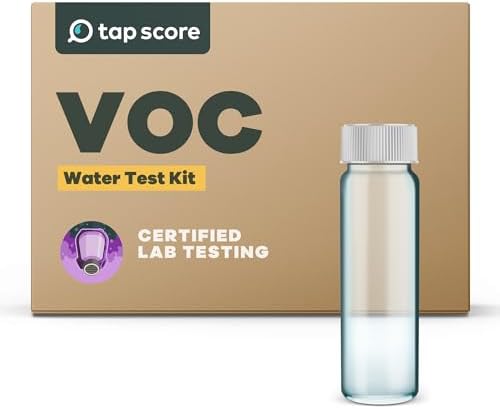
- RECOMMENDED: Recommended for targeted testing of the most common volatile organic compounds (VOC) in drinking water. Rep…
- WHAT ARE VOCs: VOCs are commonly detected in most city water supplies, as they are frequently formed as disinfection byp…
- BEST WATER TEST: Tap Score is fast, accurate and easy. Tap Score laboratory test kits are utilized by millions of Americ…
Key Features:
- Tests 111 parameters including metals, VOCs, PFAS, and more
- EPA-certified laboratory analysis
- Easy-to-understand digital report within 5-7 days
- Ph.D. scientist support available
- No affiliate relationships with treatment companies
What It Tests: Lead, copper, arsenic, chromium, uranium, over 60 volatile organic compounds, 31 disinfection byproducts, PFAS compounds, physical properties (pH, hardness, TDS)
Price Point: $285 (comprehensive testing justifies the investment)
Best For: Homeowners seeking the most thorough city water analysis with professional accuracy and unbiased treatment recommendations.
2. Tap Score Essential Well Water Test – Best for Well Owners
This specialized test targets the most critical concerns for private well water, providing certified laboratory analysis of 54 parameters.

- For any drinking water source: This is a vast informational water quality analysis designed to provide EPA and State cer…
- Tests for: This comprehensive lab water testing kit panel includes 256 total contaminants and analytes.
- Certified labs: Tap Score’s network of EPA/NELAC/ISO and State Certified Labs provides you the fastest and most accurate…
Key Features:
- Specifically designed for well water concerns
- Tests for bacteria, nitrates, heavy metals, and minerals
- Overnight shipping to laboratory for bacteria viability
- Results within 3-5 business days
- Includes treatment recommendations
What It Tests: Total coliform and E. coli bacteria, nitrates, nitrites, lead, arsenic, copper, iron, manganese, pH, hardness, TDS, and more
Price Point: $199
Best For: Well water owners needing annual testing or anyone purchasing property with a private well.
3. Safe Home ULTIMATE Drinking Water Test Kit – Most Comprehensive
The Safe Home Ultimate tests for 200 water-quality parameters, including 12 physical properties and 188 contaminants, making it the most exhaustive option available.

- FOR ANY DRINKING WATER SOURCE: This is an ideal test for any home served by a utility or well–especially wells near farm…
- TESTS FOR: 116 Analytes, including Heavy Metals, Coliform & E. coli Bacteria, Disinfection Byproducts, Nitrates, and pH,…
- METALS AND MINERALS: Aluminium, Antimony, Arsenic, Barium, Beryllium, Cadmium, Chromium, Cobalt, Copper, Iron, Lead, Man…
Key Features:
- Tests 200+ parameters
- EPA-certified laboratory
- Includes both mail-in samples and DIY bacteria test
- Digital and hard copy results
- Extensive educational resources
What It Tests: Every contaminant category including metals, inorganics, organics, pesticides, herbicides, TTHMs, TICs, bacteria, and physical properties
Price Point: $395
Best For: Those wanting absolutely comprehensive testing or dealing with unexplained health issues potentially related to water quality.
4. Varify Premium 17-in-1 Drinking Water Test Kit – Best DIY Option
The Varify Premium tests for 17 different contaminants including lead, bacteria, fluoride, and iron, making it the most comprehensive at-home test strip kit available.
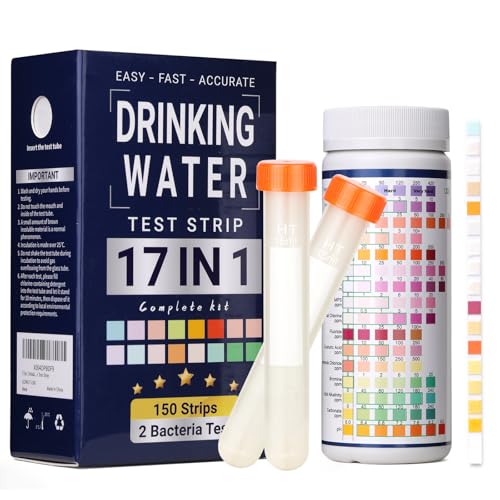
- 【Complete Water Safe Kit】- This drinking water test kit can check up to 17 important parameters, including 5 Main Types …
Key Features:
- Tests 17 parameters with easy-to-read results
- Color-coded system reduces interpretation errors
- Results in 30 seconds for most parameters
- Multiple tests included for verification
- Mobile app for tracking results over time
What It Tests: Lead, bacteria, iron, copper, fluoride, chlorine, hardness, pH, alkalinity, nitrates, nitrites, hydrogen sulfide, manganese, total dissolved solids, and more
Price Point: $27
Best For: Budget-conscious households wanting comprehensive DIY screening or routine monitoring of previously identified issues.
5. Watersafe Drinking Water Test Kit – Best for Lead Detection
Watersafe’s proprietary technology can detect lead at 5 ppb, three times more sensitive than the EPA’s 15 ppb action level. The kit has been validated in EPA-certified laboratories.

- Comprehensive Testing: Detects a wide range of contaminants, including 9 key ones. From the most dangerous, like Lead an…
- At-Home Convenience: Suitable for any drinking water—TAP or WELL. Get lab-accurate results without leaving home.
- Cost-Effective: Provides a budget-friendly solution, eliminating the need for expensive lab tests and shipping.
Key Features:
- Exceptional lead sensitivity (5 ppb detection)
- Tests 9 critical contaminants
- EPA lab validation
- Clear, easy-to-read results
- Affordable for frequent testing
What It Tests: Lead, bacteria, pesticides, nitrates, nitrites, chlorine, pH, hardness, copper, iron
Price Point: $28
Best For: Families with young children in older homes who need reliable, affordable lead screening.
6. JNW Direct 15-in-1 Drinking Water Test Kit – Best Value
This test strip kit provides 100 test strips at an exceptional price point, allowing for frequent testing and monitoring over time.
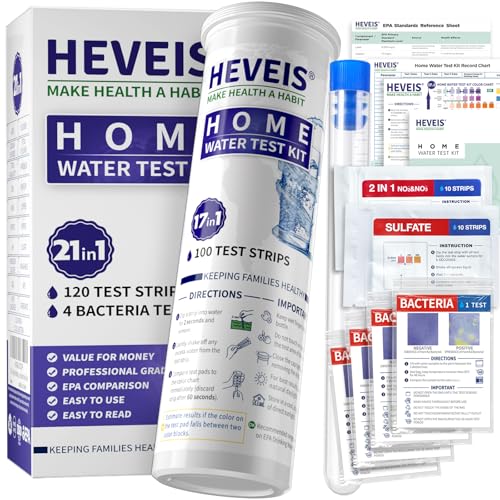
- Every test counts: Water insecurity can cause health problems, and having suffered from it myself, I am keenly aware tha…
- Complete and comprehensive: Water testing kits for drinking water offers the most extensive and comprehensive drinking w…
- Easy to use for everyone: No need to be a specialist, even a child can do it independently; results are obtained in 3 si…
Key Features:
- 100 test strips included
- Tests 15 parameters
- EPA standards marked directly on bottle
- Mobile app for result tracking
- Excellent for monitoring filter performance
What It Tests: Lead, copper, iron, fluoride, pH, chlorine, hardness, nitrates, nitrites, alkalinity, cyanuric acid, bromine, and ammonium chloride
Price Point: $24 for 100 strips ($0.24 per test)
Best For: Households wanting to test frequently for trend monitoring or filter effectiveness verification.
7. HoneForest Water Quality Tester – Best Digital TDS Meter
The HoneForest tester offers the fastest digital results in seconds using a backlit LCD screen, making it perfect for quick quality checks.

- 17 IMPORTANT PARAMETERS: The Varify Premium Drinking Water Test Kit offers an unrivaled, complete analysis of your drink…
- PREMIUM QUALITY: Varify stands out with its professional-grade quality, ensuring that every test strip in the kit meets …
- EASY TO USE: Varify’s water test strips and Bacteria Test kits feature a user-friendly, color-coded system for quick and…
Key Features:
- Instant TDS measurements
- Temperature compensation
- Auto-shutoff preserves battery
- Portable and durable
- Perfect for travel
Measures: Total dissolved solids (TDS) from 0-9999 ppm with ±2% accuracy
Price Point: $15
Best For: Monitoring reverse osmosis or filter performance, travel water quality checks, or confirming low TDS in filtered water.
DIY Testing vs Laboratory Analysis: Which Should You Choose?
The decision between DIY and laboratory testing depends on your specific situation, concerns, and budget.
When to Choose DIY Test Strips
DIY strips work well for specific scenarios:
Routine Monitoring: If you’ve already identified issues and installed treatment, strips help verify that systems continue working effectively.
Budget Constraints: At $20-30 per kit with multiple tests included, strips provide affordable initial screening.
Immediate Results: When you need answers quickly—within minutes rather than days—DIY strips deliver.
Simple Parameters: For straightforward concerns like hardness, pH, or chlorine, strips provide adequate accuracy.
Filter Performance Checks: Testing before and after filters confirms they’re working as intended.
When Laboratory Testing is Essential
Professional analysis is non-negotiable in certain situations:
Initial Baseline: Professional lab testing offers 99.9% accuracy with detection limits 100-1000 times lower than DIY methods. This accuracy is critical for contaminants like lead where the EPA action level is just 15 ppb.
Health Concerns: If you or family members experience unexplained illnesses, developmental delays in children, or chronic health issues potentially related to water, only laboratory testing provides definitive answers.
Confirming DIY Results: Any positive result on a DIY test should be confirmed with laboratory analysis before major investment in treatment systems.
Documentation Needs: Real estate transactions, landlord disputes, insurance claims, or legal matters require certified laboratory results.
Well Water Initial Testing: Private wells should receive comprehensive laboratory analysis at least once to establish baseline quality.
Comprehensive Screening: When you want to know everything that’s in your water, not just a few parameters.
The Hybrid Approach: Best of Both Worlds
Many water testing experts recommend combining both methods:
- Start with comprehensive laboratory testing to establish a complete baseline
- Use DIY strips for routine monitoring between lab tests
- Return to laboratory testing if DIY strips indicate changes or after major events (flooding, plumbing work, etc.)
This approach balances thoroughness with affordability, providing maximum protection without excessive cost.
How to Collect Water Samples Correctly
Proper sample collection is crucial for accurate results. Incorrect technique can introduce contamination or miss problems entirely.
General Collection Principles
Clean Containers: Use only sterile containers provided by test kits. Never reuse bottles or substitute containers, as residual contaminants can skew results.
Avoid Contamination: Don’t touch the inside of collection containers or caps. Handle containers by the outside only, and don’t let the cap touch anything after removal.
Follow Timing Instructions: Different contaminants require different sampling approaches. Some tests need first-draw morning water, while others require flushing taps first.
For Lead Testing
Lead testing requires special attention because concentrations vary dramatically based on water stagnation:
- Avoid water use for at least 6-8 hours before testing (overnight is ideal)
- Collect the first water from the tap without flushing
- Fill container slowly to avoid disturbing pipe sediment
- Test cold water only (hot water dissolves more lead but isn’t typically used for consumption)
This “first draw” sampling reveals maximum potential lead exposure.
For Bacteria Testing
Bacterial analysis demands sterile technique:
- Remove faucet aerator to prevent bacterial contamination from the screen
- Run water for 2-3 minutes to clear the immediate plumbing
- Flame the faucet with a lighter or alcohol wipe for 10-15 seconds
- Let water run for 30 additional seconds
- Fill sterile container without touching inside or cap
- Close container immediately
Some test kits provide bacteria-specific instructions that may vary from these general guidelines.
For General Water Quality
Most comprehensive tests require composite samples:
- Remove aerator and flush tap for 2-3 minutes
- Fill container to specified line (typically to shoulder, not completely full)
- Cap tightly and label according to kit instructions
- Some kits require specific containers for different contaminant categories
Sample Handling and Shipping
Temperature Control: Most samples should remain cool but not frozen during shipping. Some kits include cold packs or specify overnight shipping for bacteria tests.
Timing: Mail samples immediately after collection, ideally on Monday-Wednesday to ensure laboratory receipt during business hours.
Documentation: Complete all required forms accurately, including collection time, date, and sample location.
Chain of Custody: For legal or official purposes, maintain proper chain of custody documentation provided with the kit.
Understanding Your Test Results: What the Numbers Mean
Raw test data becomes valuable only when you understand what it means and what actions to take.
Reading Test Reports
Laboratory reports typically include:
Detected Contaminants: List of everything found in your water with specific concentrations
Comparison Standards: Your results compared against EPA Maximum Contaminant Levels (MCLs), health guidelines, and aesthetic standards
Explanations: Description of what each contaminant is, potential sources, and health effects
Treatment Recommendations: Suggested filtration or treatment methods for any concerning results
Non-Detects: List of tested contaminants that weren’t found (equally important information)
Key Terminology
MCL (Maximum Contaminant Level): EPA’s legally enforceable limit for public water systems. Exceeding MCLs triggers regulatory action.
MCLG (Maximum Contaminant Level Goal): Health-based goal with no consideration for cost or feasibility. Often set at zero for carcinogens.
Action Level: Trigger point for treatment or notification, typically used for lead and copper.
Secondary Standards: Non-enforceable guidelines for aesthetic qualities (taste, odor, color) that don’t affect health.
ppb (parts per billion): One microgram per liter. Extremely small concentration used for toxic substances.
ppm (parts per million): One milligram per liter. Larger concentration used for less toxic substances.
When to Take Action
Not every detected contaminant requires immediate action. Use these guidelines:
Immediate Action Required:
- Any bacteria detection (total coliform or E. coli)
- Lead above 5 ppb, especially with young children
- Nitrates above 10 ppm
- Arsenic above 10 ppb
- PFAS above EPA MCLs
Action Recommended:
- Lead 1-5 ppb
- Nitrates 5-10 ppm
- Hardness causing appliance damage or aesthetic issues
- Chlorine taste/odor concerns
- pH below 6.5 or above 8.5
Monitoring Suggested:
- Low-level detections below regulatory standards
- Aesthetic concerns not affecting health
- Borderline results near action levels
The “Non-Detect” Question
When results show “ND” or “non-detect,” this doesn’t necessarily mean zero contamination. It means the concentration was below the laboratory’s detection limit. For most health-significant contaminants, these detection limits are well below levels of concern.
Taking Action: What to Do Based on Your Results
Test results only provide value when they lead to appropriate action.
For Bacterial Contamination
Bacteria detection requires immediate response:
- Stop drinking or using water for consumption
- Boil water for at least one minute before use (kills bacteria but doesn’t remove chemical contaminants)
- Investigate source: well cap integrity, septic system distance, recent flooding
- Shock chlorinate well or treat with UV disinfection
- Retest after treatment to confirm effectiveness
Never ignore positive bacteria results. They indicate potential exposure to disease-causing organisms.
For Lead Contamination
Lead requires multilayered approach:
Immediate:
- Use only cold water for drinking and cooking
- Flush taps for 30 seconds to 2 minutes before using water that’s been sitting
- Consider bottled water for children and pregnant women
- Have children’s blood lead levels tested
Short-Term:
- Install NSF 53-certified lead removal filter on drinking water taps
- Consider whole-house or point-of-use reverse osmosis system
Long-Term:
- Replace lead service lines if present
- Replace brass fixtures and fittings in homes with acidic water
- Consider corrosion control treatment for well water
For PFAS Contamination
PFAS removal requires specific technologies:
- Install reverse osmosis system (removes 94%+ of PFAS)
- Use activated carbon filters specifically certified for PFAS
- Avoid boiling water (concentrates PFAS)
- Consider alternative water source if levels are extremely high
Standard filters without PFAS certification provide little to no removal.
For Nitrates
High nitrates demand particular attention for vulnerable populations:
- Never give water with nitrates above 10 ppm to infants
- Pregnant women should avoid water above 5 ppm
- Boiling concentrates nitrates—don’t boil contaminated water
- Install reverse osmosis or ion exchange system
- Investigate source (septic system, agricultural runoff) and remediate
For Hard Water
Hardness is an aesthetic concern, not a health hazard:
- Install water softener for whole-house treatment
- Use point-of-use softener for specific applications
- Consider leaving one unsoftened tap for drinking (softened water adds sodium)
- Maintain appliances regularly to remove scale buildup
For pH Issues
Correcting pH protects pipes and fixtures:
- Low pH (acidic): Install calcite neutralizer or inject soda ash
- High pH (alkaline): Less common, may require acid injection
- Have pH professionally corrected to prevent pipe corrosion and metal leaching
Frequently Asked Questions
Q: How often should I test my water?
A: Well water should be tested annually for bacteria and nitrates, with comprehensive testing every 3-5 years. City water should be tested when moving into a new home, after plumbing work, when taste or odor changes, or if health concerns arise. Homes with young children should test for lead whenever the child under 6 lives there.
Q: Are DIY test kits accurate enough to trust?
A: Although many kits claim to test to EPA standards, the EPA neither evaluates nor recommends them. DIY kits work well for screening and monitoring but should be confirmed with laboratory testing before making major treatment investments.
Q: Can I use water test strips for well water?
A: Yes, but with limitations. Basic home test kits are an affordable way to check for common water issues like bacteria, nitrates, pH, hardness and iron, but they don’t detect contaminants like PFAS, heavy metals or VOCs. Well water requires periodic comprehensive laboratory testing.
Q: How much does water testing cost?
A: DIY strip kits cost $15-$50 for multiple tests. Digital meters range from $10-$30. Laboratory testing varies: basic panels start at $60-$100, comprehensive tests run $150-$300, and the most exhaustive analysis can cost $300-$500. Water testing is always cheaper than treating water contamination health effects.
Q: What should I test for first?
A: Priority depends on your water source. City water: test for lead first, especially in older homes. Well water: test for bacteria, nitrates, and pH as baseline. All sources: consider comprehensive testing every few years to check for unexpected contamination.
Q: Can I trust cheap test strips from Amazon?
A: Quality varies significantly. Choose kits with positive reviews, EPA validation claims, and clear instructions. However, remember that even the best strips have limitations compared to laboratory analysis. Use them for screening, not as definitive answers.
Q: Do I need to test if my water tastes fine?
A: Absolutely. Most dangerous contaminants—lead, PFAS, bacteria, arsenic, nitrates—are colorless, odorless, and tasteless. You cannot detect them with your senses. Only testing reveals their presence.
Q: What if my test shows high lead levels?
A: Stop using tap water for drinking and cooking immediately, especially for children and pregnant women. Install an NSF 53-certified lead filter or use bottled water. Have children’s blood tested for lead. Investigate the source (pipes, fixtures, service lines) and plan remediation.
Q: Should I test after installing a water filter?
A: Yes. Testing before and after filter installation confirms effectiveness. Continue periodic testing to ensure filters maintain performance as cartridges age.
Q: Can boiling water remove contaminants?
A: Boiling kills bacteria, viruses, and parasites, making it effective for biological contamination. However, boiling concentrates chemical contaminants including lead, nitrates, and PFAS by evaporating water volume while leaving chemicals behind. Never boil water to remove chemical contamination.
Taking Control of Your Water Quality
Water testing represents one of the most important investments you can make in your family’s health. With at least 45% of U.S. tap water containing PFAS, heavy metals, bacteria, and other contaminants, assuming your water is safe without testing is a risk you cannot afford.
The good news is that testing has never been easier, more affordable, or more accessible. Whether you choose comprehensive laboratory analysis or convenient DIY screening, the information you gain empowers you to make informed decisions about filtration, treatment, or alternative water sources.
Don’t wait for a crisis, a health scare, or visible problems. By the time you can see, smell, or taste water contamination, you’ve likely been exposed for months or years. Many of the most dangerous contaminants—lead, PFAS, arsenic, bacteria, nitrates—give no warning before causing serious health effects.
Start with the right test for your situation. City water users benefit from Tap Score’s Advanced City Water Test for comprehensive baseline analysis. Well owners should invest in the Essential Well Water Test annually. Budget-conscious households can begin with Varify Premium DIY strips for initial screening, then move to laboratory confirmation of any concerning results.
Your family’s health depends on clean water. Every glass you drink, every meal you cook, every tooth you brush involves water quality. Make 2025 the year you take control with proper testing, gaining the knowledge you need to ensure the water flowing from your taps is truly safe for everyone who depends on it.
Order your water test kit today, collect samples properly, and take the first step toward guaranteed water safety and peace of mind.
Disclaimer: This article contains affiliate links to Amazon products. We may earn a commission from qualifying purchases at no additional cost to you. Product availability and prices are subject to change. Water testing does not replace professional medical or environmental health advice. Always consult qualified professionals for health concerns or complex contamination issues.