Buyer’s Guide: Best Air Purifiers for Allergies and Asthma (2025 Tested)

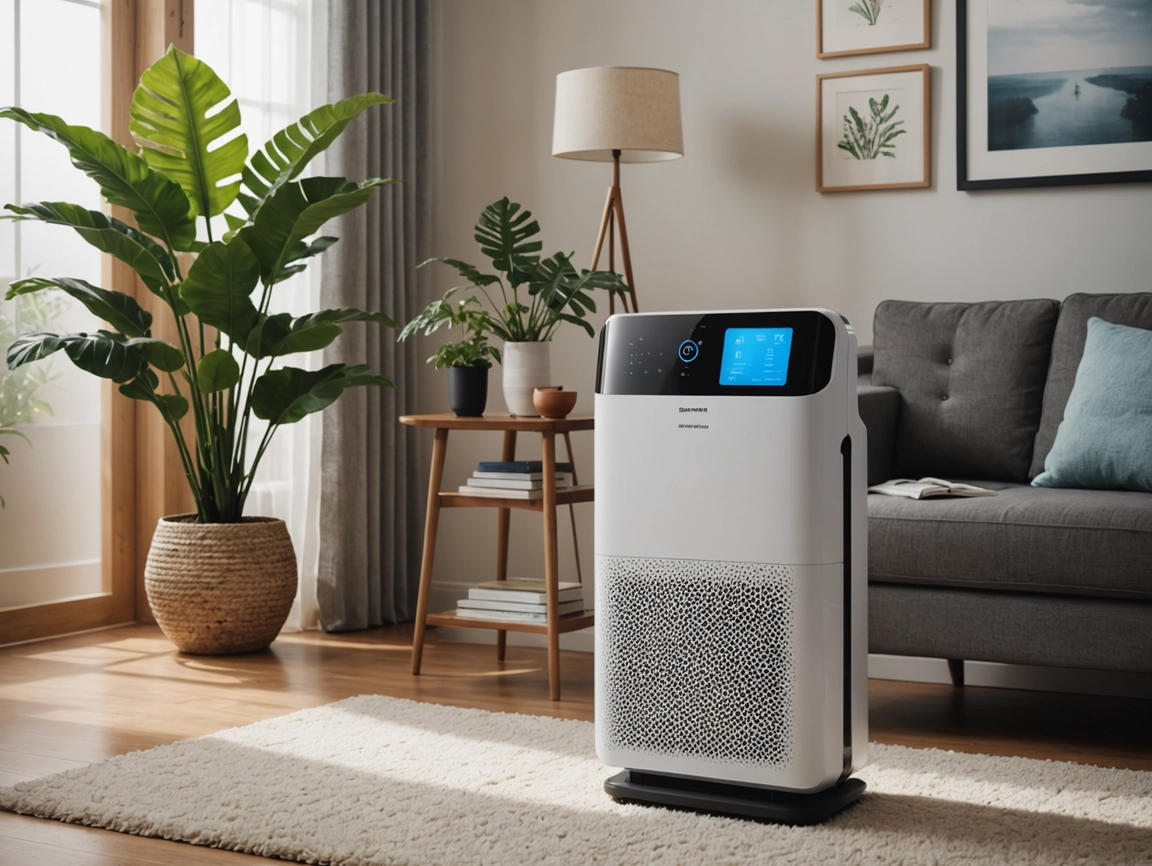
For the millions living with allergies and asthma, the air inside their homes can be a minefield of invisible triggers—dust mites, pet dander, pollen, and mold spores. Choosing the right air purifier isn’t just about buying an appliance; it’s about reclaiming your comfort, your sleep, and your ability to breathe easily in your own sanctuary.
This comprehensive guide cuts through the marketing jargon to help you find the best air purifiers for your specific needs in 2025. We’ll explore the essential technologies, key features, and top-rated models, empowering you to make an informed decision for cleaner, healthier air.
Why You Can’t Afford to Guess: The Science of Clean Air
Before diving into products, it’s crucial to understand what you’re fighting against. Indoor air can be 2 to 5 times more polluted than outdoor air, according to the EPA. For allergy and asthma sufferers, the primary antagonists are:
- Pollen: Seasonal intruders that easily slip indoors.
- Pet Dander: Microscopic skin flakes from furry companions.
- Dust Mites: Tiny organisms thriving in bedding, upholstery, and carpets.
- Mold Spores: Released by damp, humid environments.
A high-performance air purifier acts as a continuous defense system, capturing these particles and preventing them from circulating in your lungs.
The Non-Negotiable Feature: True HEPA Filtration
When targeting allergens, the gold standard is a True HEPA (High-Efficiency Particulate Air) filter.
- What it does: This dense, pleated mechanical filter is certified to capture 99.97% of particles as small as 0.3 microns. This size range is the most penetrating particle size (MPPS), meaning it’s hardest to catch. It effectively traps pollen, dander, dust mites, and most mold spores.
- What to avoid: Be wary of terms like “HEPA-type,” “HEPA-like,” or “HEPA-style.” These are not held to the same rigorous standard and are significantly less effective. Insist on True HEPA.
The Essential Support Cast: Additional Filtration Layers
The best systems use a multi-stage process. After the HEPA filter captures solid particles, additional stages tackle gases and odors.
- Pre-filter: A simple mesh that catches large particles like hair and lint. This extends the life of the more expensive HEPA filter.
- Activated Carbon Filter: This is critical if you also have chemical sensitivities or asthma triggered by odors. Activated carbon is treated to be incredibly porous, adsorbing (sticking to) gaseous pollutants, VOCs (from paints, cleaners), cooking smells, and smoke.
Pro Tip: For asthma especially, a robust carbon filter is highly recommended, as chemical irritants can be a significant trigger.
Key Features to Compare in 2025
Beyond the filter, these performance metrics and smart features separate the good from the great.
| Feature | Why It Matters for Allergies/Asthma | What to Look For |
|---|---|---|
| Room Size Coverage (CADR) | Ensures the purifier can clean the air in your room quickly. | Choose a model with a CADR (Clean Air Delivery Rate) rated for a room larger than your own. A “5x per hour” turnover rate is ideal for sufferers. |
| Air Quality Sensor & Auto Mode | Automates your defense. The unit detects rising particle levels and ramps up speed. | Look for a real-time particulate matter (PM2.5) display and a responsive auto mode that truly reacts to allergens like disturbed dust or pet activity. |
| Noise Levels | A purifier is only effective if you run it consistently, especially overnight. | Check decibel (dB) ratings. Under 25 dB on low/ sleep mode is whisper-quiet. Ensure high speed is effective but tolerable for daytime use. |
| Filter Replacement Cost & Indicators | Hidden long-term cost. A clogged filter loses efficacy. | Check annual filter costs. A filter change indicator is essential to maintain peak performance. Some brands offer subscription plans. |
Top Contenders: 2025’s Best Air Purifiers for Allergies & Asthma
Based on filtration efficacy, features, and user feedback, here are top-tier models to consider. Always verify the latest model and reviews before purchasing.
1. The Gold Standard Performer: Coway Airmega ProX
- Best For: Whole-room, heavy-duty purification in large living spaces or bedrooms.
- Why It Stands Out: Features a True HEPA + Max2 Filter with an immense activated carbon layer. Its real-time PM1.0, PM2.5, and PM10 display and ultra-responsive auto mode are unmatched. It’s a powerhouse built for serious relief.
- Consideration: It’s an investment, both upfront and for filter replacements.
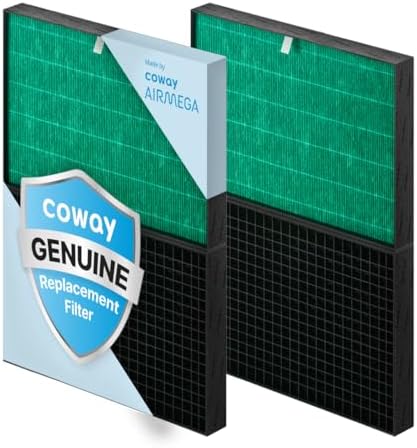


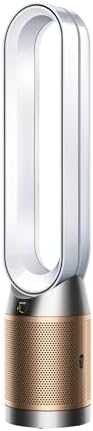
2. The Smart & Silent Guardian: Dyson Purifier Cool TP09
- Best For: Tech-integrated homes and those seeking a sleek, fan-less design.
- Why It Stands Out: Its 350° sealed HEPA and carbon filter captures gases and particles, projecting purified air around the room. It excels in real-time air quality reporting via its app and is exceptionally quiet. The heating/cooling fan function is a bonus.
- Consideration: Premium price; coverage area is more moderate compared to tower purifiers.




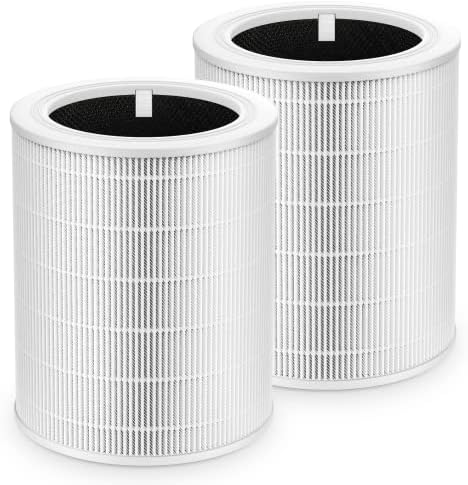
3. The Value Workhorse: Levoit Core 600S
- Best For: Outstanding purification on a sensible budget for large rooms.
- Why It Stands Out: Offers True HEPA and high-grade carbon filtration for rooms up to 635 sq ft at a very competitive price. The VirusSense smart features and app control provide great modern functionality. It’s a “set it and forget it” reliability champion.
- Consideration: Can be audible on higher speeds, but sleep mode is very quiet.

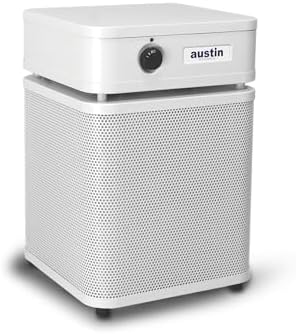
4. The Medical-Grade Specialist: Austin Air HealthMate HM400
- Best For: Those with severe chemical sensitivities, MCS, or asthma triggered primarily by VOCs and gases.
- Why It Stands Out: Uses a deep-bed carbon + zeolite filter (15 lbs) alongside a True HEPA. It’s a simple, durable, no-frills machine designed to adsorb chemicals for years before needing a filter change. Built like a tank.
- Consideration: Basic design, no smart features, and heavy. It’s purely about performance over polish.

Your Decision Checklist: How to Choose
Answer these questions before you buy:
- What is my primary trigger? (Pollen/dander = prioritize HEPA. Smokes/odors/chemicals = prioritize heavy carbon.)
- What is the square footage of my primary use room? Buy for that size.
- Where will I place it? (Bedroom = prioritize quiet sleep mode. Living room = prioritize aesthetics and auto mode.)
- What is my total budget? Include an estimate for 2 years of filter replacements.
Beyond the Purifier: Holistic Air Quality Management
An air purifier is your most powerful tool, but for best results:
- Control Humidity: Keep indoor humidity between 30-50% to inhibit dust mites and mold. Use a dehumidifier if needed.
- Clean Strategically: Use a HEPA-filter vacuum cleaner regularly and wash bedding in hot water weekly.
- Minimize Clutter: Reduce dust-collecting surfaces.
Final Breath of Advice
Investing in the best air purifier for allergies and asthma is an investment in your daily quality of life. Focus on certified True HEPA filtration, ensure robust carbon filtration for odors, and size it correctly for your space. The models listed here represent the top of their class in 2025 for different needs and budgets.
Your next step: Visit manufacturer websites for the latest specifications, and check recent retailer reviews from fellow allergy sufferers. The right cleaner air is out there—you just have to filter for it.
*Disclaimer: This guide is for informational purposes based on 2025 market analysis. Product specifications and models change. Always consult with a medical professional for health-related advice. This article contains affiliate links; we may earn a commission from qualifying purchases at no extra cost to you.*