How Poor Indoor Air Quality Is Secretly Affecting Your Health


Introduction to Indoor Air Quality
Indoor air quality (IAQ) refers to the condition of air within the buildings and structures that people occupy. It encompasses various factors, including the levels of pollutants, humidity, and ventilation, all of which can significantly impact health and comfort. Unfortunately, many individuals tend to overlook the air quality inside their homes and workplaces, often prioritizing external environmental concerns over internal conditions.
The reasons for this oversight are multifaceted. Firstly, people may not perceive indoor air quality as an immediate concern—after all, if the air looks clear and fresh, it is easy to assume it is healthy. Furthermore, common health issues attributed to poor air quality, such as fatigue, headaches, and respiratory problems, can be attributed to numerous other factors, leading to a lack of connection between these symptoms and the air they breathe daily.
In addition, many individuals are often unaware of the numerous sources of indoor pollutants. Everyday household items, such as cleaning products, pesticides, and personal care products, can emit volatile organic compounds (VOCs) that compromise air quality. Other factors include allergens like dust, mold, and pet dander that accumulate in poorly ventilated spaces. Furthermore, building materials, furnishings, and appliances can also contribute to the degradation of indoor air quality over time, releasing harmful particles or gases into the environment.
By understanding the importance of indoor air quality and recognizing its various sources, individuals can more effectively address the health risks associated with polluted indoor environments. This awareness is essential for fostering a healthier living and working atmosphere.

Understanding Indoor Air Pollutants
Indoor air quality can be compromised by various pollutants, which may significantly impact health over time. Common types of indoor air pollutants include volatile organic compounds (VOCs), particulate matter, mold, and biological agents. Each of these categories encompasses different sources, characteristics, and health implications.
Volatile organic compounds (VOCs) are organic chemicals that have a high vapor pressure at room temperature, leading to their rapid evaporation. They are commonly found in household products such as paints, varnishes, cleaning supplies, and even some office supplies. The presence of VOCs tends to be particularly pronounced in newly constructed or remodeled spaces where materials may still release these compounds. Exposure to VOCs can result in various health issues, including respiratory problems, headaches, and even long-term damage in some cases.
Another category of indoor air pollutants is particulate matter, which consists of tiny particles or droplets that are suspended in the air. These particles can originate from combustion processes, outdoor sources like vehicle emissions, and indoor activities such as cooking with gas stoves. The inhalation of particulate matter is associated with a range of health problems, especially in individuals with pre-existing respiratory conditions or cardiovascular diseases.
Mold is a biological pollutant often found in damp or humid environments. It thrives on organic materials and is frequently discovered in areas with poor ventilation, such as basements, bathrooms, and under sinks. Mold exposure can lead to allergic reactions, respiratory issues, and other health complications, particularly in vulnerable populations like children and the elderly.
Biological agents encompass a variety of microorganisms, including bacteria, viruses, and allergens from insects or animals. These agents can be present in indoor environments and may cause infections or exacerbate asthma and allergic conditions. Understanding the sources and impacts of these indoor air pollutants is essential for maintaining a healthy living space.

Symptoms and Health Effects of Poor Indoor Air Quality
Indoor air quality significantly impacts human health, and various symptoms can arise from poor conditions. Common complaints often reported by individuals exposed to low-quality indoor air include headaches, fatigue, and dizziness. These symptoms can be misleading, as they are frequently mistaken for common illnesses or merely stress. However, they may indeed serve as warnings indicating the presence of indoor pollutants.
Another common group of symptoms relates to respiratory health. Poor indoor air quality can trigger or exacerbate asthma, bronchitis, and other respiratory conditions. Individuals may experience persistent coughing, wheezing, or shortness of breath due to allergens such as dust mites, mold, or pet dander present in the environment. Moreover, irritants like volatile organic compounds (VOCs), which are emitted from household products, can contribute to these respiratory issues.
In more severe cases, prolonged exposure to polluted indoor air can lead to long-term health consequences. Formaldehyde, a common indoor chemical, has been linked to numerous health difficulties, including cancer. Furthermore, chronic exposure to these harmful pollutants may lead to cardiovascular problems, diminished cognitive abilities, and developmental issues in children. These serious implications highlight the importance of recognizing symptoms associated with poor indoor air quality.
It is crucial for individuals to remain vigilant about their indoor environments and to consider that symptoms they experience may be rooted in air quality issues rather than other causes. Optimal health necessitates understanding the invisible threats that linger in our living spaces. Addressing the source of these problems through improved ventilation, air purification, and ongoing maintenance can lead to significant improvements in health and well-being.


Vulnerable Populations
Indoor air quality is a critical aspect of overall health, and certain populations are more vulnerable to the adverse effects of indoor air pollutants. Notably, children are at a heightened risk due to their developing respiratory systems and higher rates of inhalation relative to their body size. Pollutants, including volatile organic compounds (VOCs), particulate matter, and biological contaminants, can have detrimental effects on their growth and development. Increased exposure to these toxic substances has been linked to conditions such as asthma, allergies, and developmental delays in young children.
The elderly are another group that often experiences heightened sensitivity to indoor air quality issues. With advancing age, individuals may have compromised respiratory function and a reduced ability to tolerate air pollutants. Factors such as chronic lung diseases, heart conditions, and weakened immune systems make this demographic particularly susceptible to the harmful effects of poor air quality, which can exacerbate existing health conditions and lead to hospitalizations.
Individuals with pre-existing health conditions also face increased risks. Those suffering from respiratory diseases, cardiovascular conditions, and compromised immune systems are more sensitive to the effects of harmful air pollution. Exposure to common indoor pollutants can aggravate symptoms and hinder treatment efficacy, leading to significant health complications.
Pregnant women represent a particularly vulnerable population as well. Studies have shown that poor indoor air quality can adversely affect fetal development, leading to complications like low birth weight and preterm birth. Moreover, exposure to certain chemicals during pregnancy can affect neurodevelopment in children.
In summary, understanding which populations are more susceptible to poor indoor air quality is essential for implementing protective measures and ensuring that these vulnerable groups are safeguarded from harmful pollutants within their living environments.
The Science Behind Indoor Air Quality and Health
Indoor air quality (IAQ) has garnered significant attention in recent years, particularly in relation to its effects on human health. Numerous scientific studies have established a clear connection between poor IAQ and various health issues, showcasing the physiological reactions to indoor pollutants. Common sources of indoor air pollution include volatile organic compounds (VOCs), mold, dust mites, pet dander, and combustion byproducts, all of which can severely impair the quality of air in residential and commercial spaces.
When individuals are exposed to these pollutants, a range of physiological responses can occur. For instance, inhalation of particulate matter can lead to inflammation of the respiratory system, causing symptoms such as coughing, wheezing, and shortness of breath. Additionally, exposure to VOCs can result in headaches, dizziness, and fatigue, with long-term exposure being linked to more serious conditions such as asthma and other chronic respiratory diseases. These health implications are not to be overlooked, as numerous studies have suggested that the risks associated with IAQ are particularly pronounced in vulnerable populations, including children and the elderly.
Research indicates that indoor air pollutants can have cascading effects on the body’s systems. For example, compromised respiratory health can influence cardiovascular function, as the heart and lungs are intricately connected. Moreover, indoor allergens can exacerbate existing health conditions, such as allergies and autoimmune disorders, thereby creating a vicious cycle of declining health. Furthermore, the psychological impact of poor IAQ cannot be disregarded; evidence suggests a correlation between low indoor air quality and increased levels of stress and anxiety.
Overall, the science behind indoor air quality and its impact on health underscores the urgent need for improved ventilation and air filtration systems in indoor environments. By understanding and addressing these health risks, we can cultivate healthier indoor spaces and enhance the overall well-being of individuals.


Measuring Indoor Air Quality
Understanding and measuring indoor air quality (IAQ) is essential for maintaining a healthy living environment. There are various methods and tools available that can assist individuals in assessing the air quality in their homes or workplaces. These approaches can range from simple visual inspections to sophisticated instrumentation.
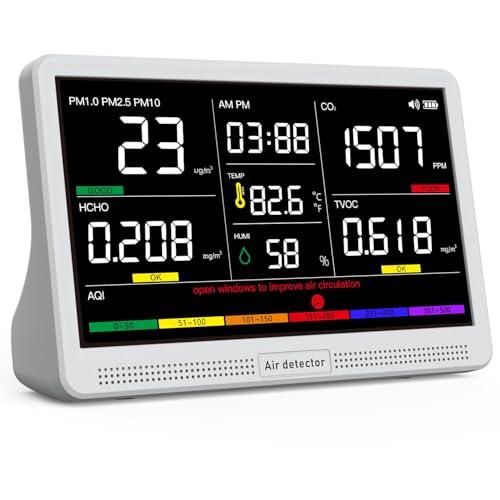
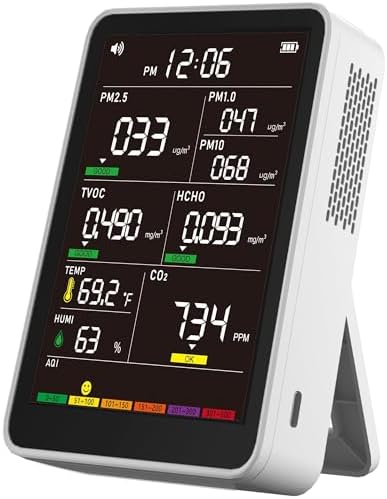
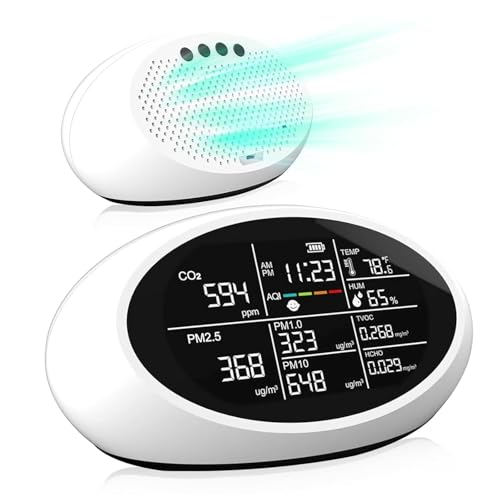
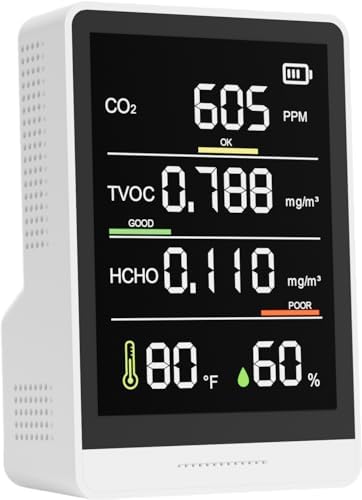
One of the most accessible ways to gauge air quality is through the use of air quality sensors. These devices can detect various pollutants and particulates, including volatile organic compounds (VOCs), carbon dioxide (CO2), particulate matter (PM), and ozone. By utilizing real-time monitoring devices, homeowners can gain insights into their indoor environment and identify times when air quality falls below acceptable levels.
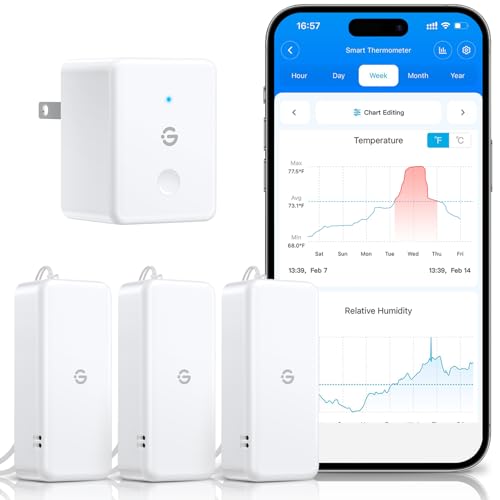
There are a variety of air quality sensors available on the market, catering to different needs and budgets. Portable units are beneficial for transient measurements, while fixed systems provide continuous monitoring. Many of these sensors also connect to mobile applications, allowing users to track air quality over time and receive alerts when certain thresholds are exceeded.
In addition to electronic sensors, air quality testing kits are widely available for those seeking more detailed analyses of their environment. These kits can measure specific contaminants via samples collected and sent to laboratories for analysis. Testing for allergens, mold spores, and radon are specific areas where testing kits can provide valuable insights into potential health risks within the home.
To effectively measure indoor air quality, it is advisable to routinely assess various spaces within the home, especially areas that may exhibit poor ventilation. Regular evaluations using both electronic sensors and testing kits can lead to proactive measures to enhance air quality. This vigilance can greatly contribute to a healthier indoor atmosphere for all occupants.
Improving Indoor Air Quality
Maintaining good indoor air quality is essential for promoting overall health and well-being. Several practical strategies can help enhance the air quality within your living spaces. One of the most effective methods is to ensure proper ventilation. Opening windows regularly allows fresh air to circulate, which can dilute indoor pollutants and bring in the fresh oxygen needed for respiratory health. Where it’s not feasible to open windows due to external air quality issues, consider using mechanical ventilation systems that enhance airflow while filtering outdoor air.
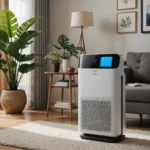
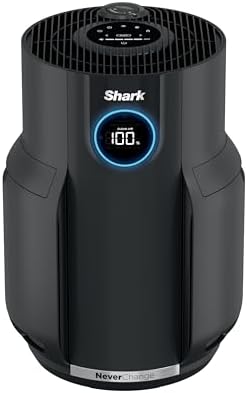
Another crucial component in improving indoor air quality is the use of air purifiers. These devices can effectively reduce particulate matter, allergens, and airborne toxins. When selecting an air purifier, look for one that features a HEPA filter, as this technology captures up to 99.97% of particles, including mold, dust, and pet dander. It is advisable to place these units in frequently used rooms where people gather, such as living rooms and bedrooms.
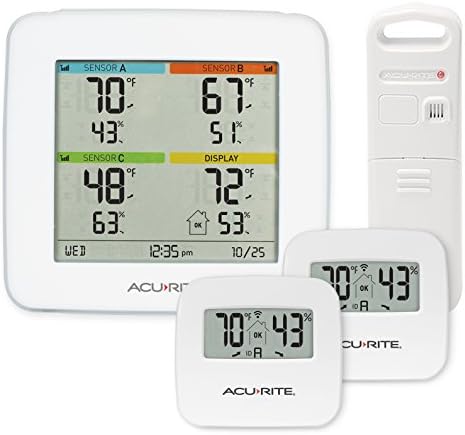
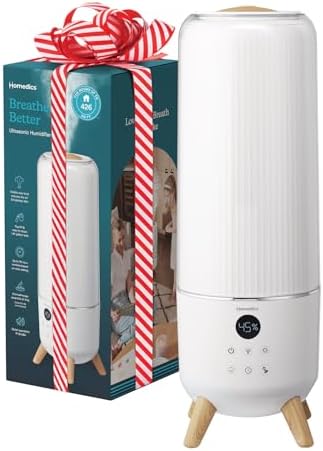
Furthermore, controlling indoor humidity is vital. Excess moisture can lead to mold growth, which can severely impact respiratory health. Using dehumidifiers can help maintain optimal humidity levels between 30% and 50%. In contrast, humidifiers may be necessary in drier seasons to prevent dry air, which can irritate the respiratory tract.
Lastly, it is essential to minimize indoor pollutants stemming from household products. Opt for low-VOC (volatile organic compounds) paints and cleaning supplies, and ensure adequate ventilation during their use. Natural alternatives, like baking soda and vinegar, can be effective for cleaning without the chemical overload. By adopting these strategies, the air quality in your home can significantly improve, consequently fostering a healthier living environment for you and your family.

Long-Term Benefits of Good Indoor Air Quality
Maintaining good indoor air quality (IAQ) is crucial for achieving long-term health benefits that can significantly enhance overall well-being. When indoor air is clean and free from pollutants such as dust, allergens, and toxic gases, residents experience a marked improvement in respiratory health. This is especially important for individuals with pre-existing conditions such as asthma or chronic obstructive pulmonary disease (COPD). Healthy air reduces the risk of these conditions exacerbating, which leads to fewer hospital visits and lower healthcare costs over time.
Furthermore, good indoor air quality contributes positively to mental health and cognitive functioning. Studies have shown that exposure to pollutants can negatively impact concentration levels and overall brain function. By ensuring a clean air environment, individuals can enjoy higher levels of productivity at work and in daily activities. Productivity improvement can be manifested in better performance at tasks, leading to increased job satisfaction and success.



The long-term effects extend to sleep quality as well. Poor indoor air quality has been linked to sleep disturbances, which can lead to fatigue and decreased cognitive performance during waking hours. In contrast, improved air quality promotes restful sleep, allowing individuals to wake up rejuvenated and ready to face their day. Regularly aerating living spaces, using air purifiers, and maintaining good ventilation systems can help achieve optimal IAQ.
In addition to individual health benefits, investing in good indoor air quality can have positive impacts on occupational health and productivity in the workplace. Reduced absenteeism, higher morale, and greater job performance are sought after outcomes when employees are provided with a healthy indoor environment. Overall, the long-term benefits of good indoor air quality enhance both personal and professional aspects of life.
Conclusion and Call to Action
Throughout this blog post, we have highlighted the significant impact of poor indoor air quality on health and well-being. Many people tend to underestimate how much the air they breathe indoors affects their overall quality of life. From aggravating respiratory conditions to leading to decreased cognitive function, the consequences of inhaling contaminated air can be profound. It is essential to recognize that indoor air pollution can stem from various sources, including household products, construction materials, and inadequate ventilation.
Improving indoor air quality is not merely a choice but a necessity for a healthier living environment. Simple actions can make a big difference, such as regularly changing air filters, ensuring proper ventilation, reducing the use of toxic substances, and incorporating houseplants that help purify the air. By being proactive, you can significantly enhance the air quality in your home or workplace, thereby contributing to better health outcomes.
We encourage you to take immediate steps towards assessing and improving the air quality around you. Resources such as the Environmental Protection Agency and the World Health Organization provide further information on how to effectively manage indoor air pollution. Additionally, tools for measuring indoor air quality are widely available, enabling you to track pollutants and make informed decisions about your environment.
In closing, it is crucial to remain vigilant regarding your indoor air quality. By educating yourself and implementing practical solutions, you can safeguard your health and that of your loved ones. For more insights and detailed guidelines on improving indoor air quality, consider exploring the resources mentioned above.