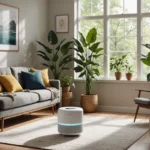
Improving Indoor Air Quality: A Comprehensive Guide to a Healthier Home


What is Indoor Air Quality?
Indoor air quality (IAQ) refers to the condition of air within buildings and structures, particularly as it relates to the health and comfort of occupants. It encompasses a variety of factors, including the presence of air pollutants, humidity levels, and the effectiveness of ventilation systems. The quality of air we breathe indoors can significantly impact our health, making it vital to understand the various elements that contribute to IAQ.
One of the primary contributors to indoor air quality is the presence of pollutants, which can arise from numerous sources. Common indoor pollutants include volatile organic compounds (VOCs) emitted from household products, dust, mold, and allergens carried in by outdoor air. These pollutants can lead to respiratory issues, allergies, and other health problems if not properly managed. Furthermore, indoor air can often be more polluted than outdoor air, primarily due to the confined spaces and limited ventilation found in many homes and buildings.
Humidity levels also play a crucial role in determining IAQ. Excess moisture can create an environment conducive to mold growth, while overly dry conditions may cause discomfort and respiratory irritation. Maintaining optimal humidity levels—generally between 30% and 50%—is essential for enhancing indoor air quality and ensuring a healthy living environment.
Ventilation is another significant factor affecting indoor air quality. Proper ventilation helps to remove stagnant air and reduce the concentration of indoor pollutants. It allows for the introduction of fresh air, thereby replenishing oxygen levels and contributing to a healthier atmosphere. Inadequate ventilation can lead to a buildup of harmful substances and contribute to what is often referred to as “sick building syndrome,” where occupants experience health issues due to poor IAQ. Understanding these factors is essential for creating a healthier indoor environment.
The Importance of Indoor Air Quality for Health
Indoor air quality (IAQ) plays a crucial role in influencing human health and well-being. Numerous studies have demonstrated that poor indoor air quality can significantly exacerbate both physical ailments and mental health conditions. For individuals with pre-existing respiratory issues, such as asthma or allergies, inadequate air quality can lead to a marked increase in symptoms, including coughing, shortness of breath, and wheezing. A report by the Environmental Protection Agency (EPA) highlights that indoor air pollutants can be two to five times more concentrated than outdoor air pollutants, thereby posing a substantial health risk.
Statistics underscore the urgency of addressing indoor air quality. According to the World Health Organization (WHO), it is estimated that 3.8 million premature deaths occur annually due to indoor air pollution. Furthermore, the Centers for Disease Control and Prevention (CDC) notes that approximately 24 million Americans suffer from asthma, a condition heavily influenced by environmental factors, including air quality. Poor IAQ can also lead to symptoms such as headaches, fatigue, and difficulty concentrating, adversely affecting cognitive functions and overall daily performance.
Research has found that specific airborne particulates, volatile organic compounds (VOCs), and other pollutants contribute to negative health outcomes. For instance, exposure to molds, dust mites, and pet dander can trigger allergic reactions, while long-term exposure to harmful chemicals may contribute to chronic respiratory diseases. The quality of indoor air is also linked to mental health, with studies suggesting connections between poor IAQ and increased rates of anxiety and depression, highlighting the complexity of its impact on both physical and mental wellness.
Given the significant implications of indoor air quality on health, it is essential for homeowners and renters alike to prioritize measures that enhance IAQ. This commitment fosters a healthier indoor environment, ultimately benefiting occupants’ overall quality of life.
Common Household Pollutants and Their Sources
Indoor air quality is often compromised by common household pollutants that many individuals may not even be aware of. Understanding these sources is crucial for maintaining a healthier living environment. One of the primary contributors to indoor air pollution is dust, which accumulates over time from various materials in the home, including textiles, paper, and even skin flakes. Regular cleaning and the use of air purifiers can help mitigate dust levels and improve air quality.
Another significant source of pollutants arises from smoke, particularly from cooking or tobacco. Cooking smoke can introduce harmful particles into the air, particularly when high-temperature methods are used or ventilation is limited. Similarly, tobacco smoke contains numerous toxic substances that can linger in the environment. Individuals should aim to establish smoke-free zones within the home and employ exhaust fans while cooking to reduce exposure.
Volatile Organic Compounds (VOCs) represent another key factor impacting indoor air quality. These compounds are emitted by many cleaning products, paints, and candles. Prolonged exposure to VOCs can lead to various health concerns, including headaches and respiratory issues. Opting for natural or low-VOC products can significantly lessen their presence in the home.
Additionally, poor ventilation exacerbates the effects of these pollutants. Inadequate airflow allows pollutants to accumulate, which can exacerbate health issues for individuals with sensitivities. Implementing strategies such as creating cross-ventilation, using exhaust fans, or opening windows can enhance air circulation, thereby improving indoor air quality.
By recognizing these common sources of indoor air pollution, homeowners can take proactive steps to mitigate their effects, promoting a healthier and more comfortable home environment.
Understanding Allergies and Asthma Triggers Indoors
Indoor air quality (IAQ) plays a crucial role in the health and well-being of individuals, especially for those suffering from allergies and asthma. A myriad of allergens and irritants can accumulate in the home environment, significantly affecting respiratory health. Common indoor allergens include dust mites, mold, pet dander, and pollen, all of which can trigger allergic reactions and asthma attacks. Understanding these triggers is essential for creating a healthier indoor atmosphere.
Dust mites, microscopic organisms that thrive in warm, humid environments, are prevalent in bedding, carpets, and upholstered furniture. Their waste products can provoke allergic responses, resulting in sneezing, itchy eyes, and asthma symptoms. Similarly, mold is another significant allergen found in damp areas of the home, such as bathrooms and basements. It releases spores into the air, which can irritate the respiratory system, particularly in sensitive individuals.
Another common trigger is pet dander, consisting of tiny flakes of skin shed by furry pets. This dander can remain airborne and settle on surfaces, continuing to provoke allergic reactions long after the pet has left the room. Additionally, indoor pollutants like tobacco smoke, volatile organic compounds (VOCs), and household cleaning agents can exacerbate asthma and allergy symptoms. VOCs, present in paints, cooking fumes, and some cleaning products, can contribute to poor air quality and respiratory irritations when inhaled.
To mitigate these risks, homeowners should adopt several strategies. Regular cleaning, including frequent vacuuming and dusting, can significantly reduce allergens. Implementing air purifiers with HEPA filters can help trap airborne allergens and improve overall indoor air quality. Furthermore, maintaining optimal humidity levels can discourage mold growth and dust mite proliferation, creating a more comfortable and healthful indoor environment.
Identifying Symptoms of Poor Indoor Air Quality
Indoor air quality plays a crucial role in the overall health and comfort of those who inhabit a space. Poor indoor air quality often presents a variety of symptoms that can go unnoticed until they escalate into more serious health issues. Recognizing these symptoms is essential for timely intervention and improvement of the living environment.
One of the most common signs of inadequate indoor air quality is an increase in allergy symptoms. Individuals may experience heightened sneezing, itchy or watery eyes, and nasal congestion. These discomforting symptoms can be exacerbated by dust, mold, pet dander, and other allergens present in the indoor environment. For people with pre-existing respiratory conditions, such as asthma, these irritants can significantly worsen their symptoms and lead to more severe health complications.
Frequent headaches are another prevalent indicator of poor indoor air quality. These headaches may stem from exposure to airborne chemicals such as volatile organic compounds (VOCs), which are emitted by various household products including paints, cleaning agents, and air fresheners. In addition, inadequate ventilation can result in a buildup of carbon dioxide, contributing to an uncomfortable indoor atmosphere and, consequently, persistent headaches.
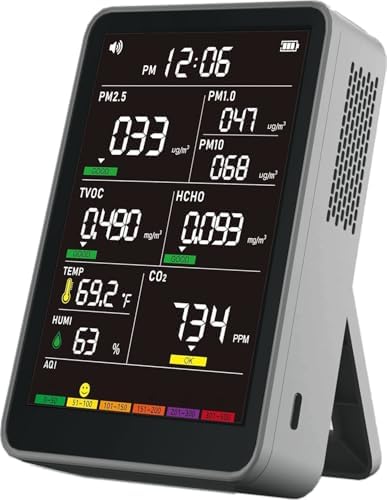
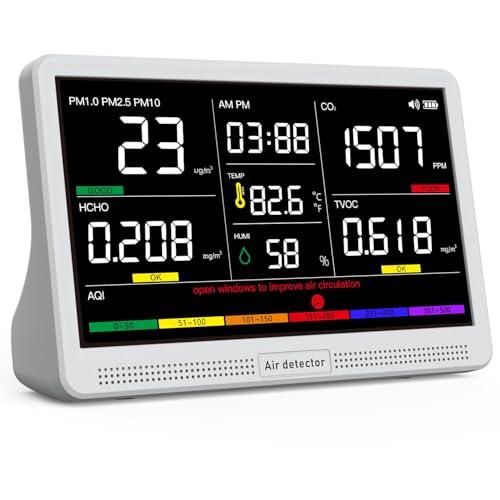


General fatigue is a further symptom worth noting. Individuals may feel unusually tired or lethargic even after adequate sleep, which can be linked to low levels of fresh air circulation. Poor indoor air quality can lead to increased levels of indoor pollutants, which may impair cognitive function and overall energy levels.
By remaining observant of these symptoms, individuals can take proactive steps to diagnose and improve their indoor environment. Addressing these indicators early on may not only enhance comfort but also promote better health across all residents within the home.
Step-by-Step Tips to Improve Indoor Air Quality
Improving indoor air quality is essential for fostering a healthier living environment. Here are ten actionable tips that can be easily implemented in your home to enhance the quality of the air you breathe.
1. Enhance Ventilation: Maximizing airflow is vital. Open windows when weather permits to allow fresh air to circulate throughout your home. Additionally, consider using exhaust fans in kitchens and bathrooms to expel contaminants.
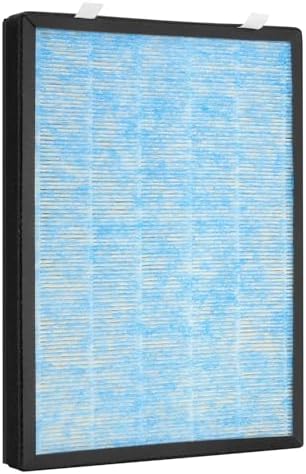
2. Regularly Change HVAC Filters: Your heating, ventilation, and air conditioning (HVAC) system should be maintained diligently. Replace the air filters every three months to ensure that dust, allergens, and pollutants are effectively captured.

- BUY WITH CONFIDENCE This genuine AprilAire 210 replacement air filter was designed and manufactured in the USA by AprilA…
- VACUUM AND DUST LESS OFTEN by preventing airborne particles from settling on your furniture and flooring. This AprilAire…
- BETTER PERFORMANCE thanks to the patented AprilAire Self-Seal Technology which minimizes the amount of air bypassing the…
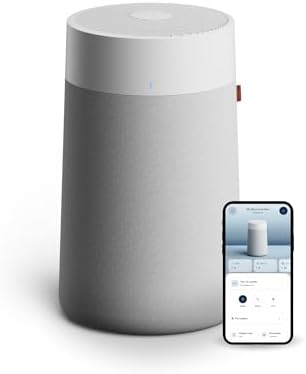
3. Use Air Purifiers: Deploying air purifiers can significantly reduce airborne particles in your home. Choose units equipped with HEPA filters for maximum efficiency in trapping allergens like pollen and pet dander.


4. Choose Natural Cleaning Products: Many conventional cleaning products contain volatile organic compounds (VOCs). Opt for natural, eco-friendly brands or DIY cleaning solutions using vinegar or baking soda to reduce chemical exposure.
5. Maintain Humidity Levels: Keep indoor humidity between 30-50% to inhibit mold growth. Use dehumidifiers in damp areas and airflow fans to regulate humidity levels.

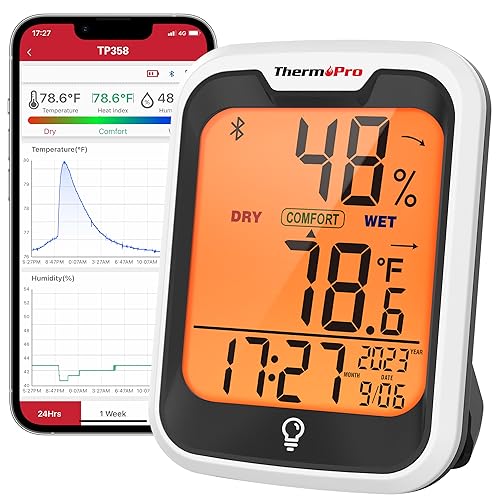

6. Introduce Indoor Plants: Certain houseplants possess air-purifying properties. Consider species like the spider plant or peace lily, which can absorb indoor pollutants and release oxygen.


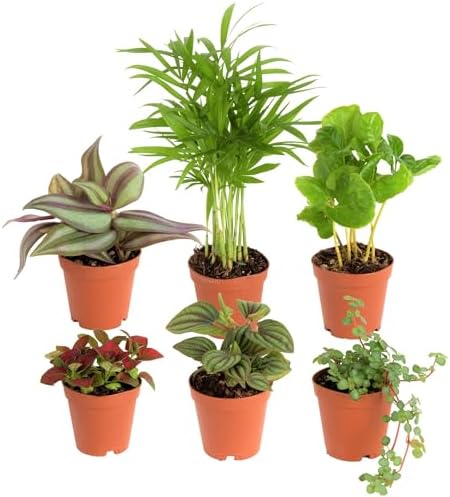

7. Limit Use of Scented Products: Scented candles and air fresheners often contain synthetic fragrances that can contribute to poor air quality. Instead, utilize natural essential oils for fragrance without harmful effects.
8. Establish a No-Smoking Policy: Ensure that your home remains smoke-free. Tobacco smoke introduces numerous harmful chemicals into indoor air, adversely affecting health.
9. Clean and Vacuum Regularly: Routine cleaning, including vacuuming carpets and upholstery, reduces dust accumulation. Use vacuums fitted with HEPA filters to capture fine particles effectively.


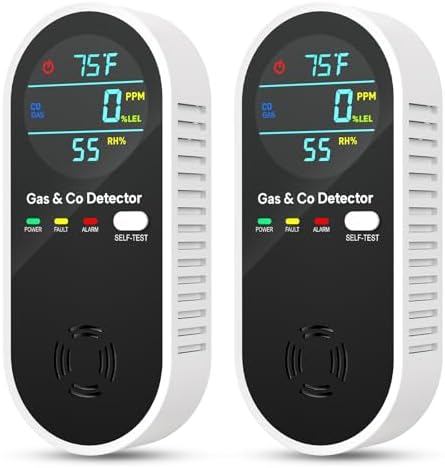
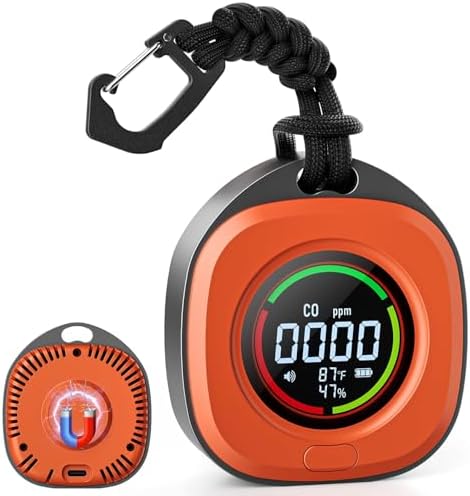
10. Inspect for Carbon Monoxide: Install carbon monoxide detectors and check regularly for leaks in gas appliances. Ensuring your home is free of carbon monoxide is crucial for maintaining a safe environment.
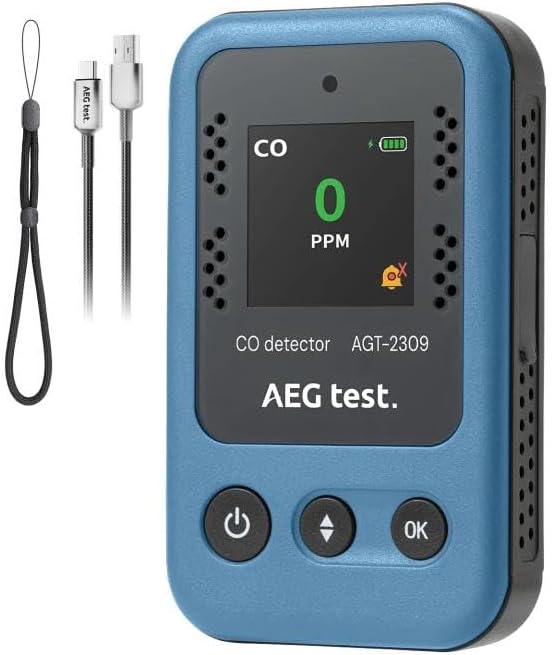

Implementing these steps can lead to significant improvements in indoor air quality, promoting a healthier and more comfortable living space.
The Role of Ventilation in Indoor Air Quality
Proper ventilation is crucial for maintaining healthy indoor air quality. It facilitates the exchange of stale indoor air with fresh outdoor air, effectively reducing the concentration of indoor pollutants. Indoor environments can trap various contaminants, including dust, allergens, volatile organic compounds (VOCs), and excess humidity. Implementing effective ventilation strategies can significantly improve the air quality in homes and increase overall wellbeing.
There are several types of ventilation systems, each contributing differently to indoor air quality. Natural ventilation relies on windows, doors, and vents to allow outdoor air to circulate naturally. This method is effective in moderate climates but may not always suffice in extreme weather conditions. Mechanical ventilation systems, such as exhaust fans and whole-house ventilation systems, actively move air in and out of the home. These systems can be particularly beneficial in kitchens and bathrooms, where moisture, odors, and pollutants accumulate.
Fresh air exchange plays a vital role in minimizing indoor pollution. It dilutes contaminants, enhances comfort, and helps control humidity levels. Regularly introducing fresh air into living spaces can reduce the risk of respiratory issues, allergies, and other health problems associated with poor air quality. Additionally, monitoring indoor humidity levels can prevent mold growth and contribute to a healthier indoor environment.
To improve airflow and reduce pollutants indoors, consider implementing the following practical steps: regularly open windows to promote cross-ventilation, utilize exhaust fans, and invest in high-efficiency particulate air (HEPA) filters for heating and cooling systems. Routine maintenance of ventilation systems is also essential to ensure they function effectively. By prioritizing proper ventilation, homeowners can create a cleaner, healthier living space that supports overall wellbeing.
Natural Solutions for Better Indoor Air Quality
Enhancing indoor air quality is essential for maintaining a healthy living environment. Natural solutions can effectively purify the air in your home, offering a sustainable alternative to chemical-laden products. One of the most accessible methods is the use of houseplants. Certain plants, such as Spider Plants, Snake Plants, and Peace Lilies, are known for their air-purifying properties. These plants can absorb toxins like formaldehyde and benzene, releasing fresh oxygen as they photosynthesize. Incorporating these green companions into your space not only improves air quality but also adds aesthetic value.
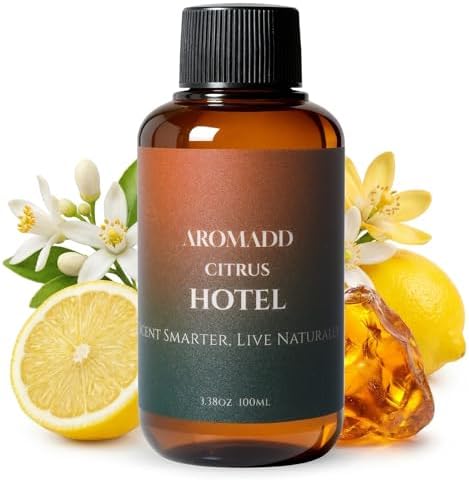
Another powerful natural solution is the use of essential oils. Essential oils such as tea tree, lavender, and eucalyptus possess antibacterial and antifungal properties that can help cleanse the air of impurities. Diffusing these oils into your home environment not only refreshes the air but also can promote tranquility and wellness, enhancing your overall quality of life. Additionally, the pleasant fragrances can replace artificial air fresheners, which often contain harmful chemicals that may aggravate indoor air quality.



Baking soda is yet another versatile and natural solution for enhancing indoor air quality. Known for its odor-neutralizing properties, it can be sprinkled on carpets and upholstery to absorb unwanted smells. Placing an open container of baking soda in areas prone to humidity, like kitchens and bathrooms, can also help reduce mold and mildew growth. By incorporating these natural air purifiers into your routine, you can create a more inviting atmosphere while prioritizing health and safety in your home.
Maintaining Long-Term Indoor Air Quality
Ensuring optimal indoor air quality is not a one-time effort but rather an ongoing commitment that requires consistent maintenance and proactive strategies. To sustain improved indoor air quality in your home, it is essential to establish a comprehensive maintenance routine that addresses various contributing factors.
Regular cleaning is a fundamental component of maintaining air quality. It is recommended to vacuum carpets and upholstery at least once a week using a vacuum cleaner equipped with a HEPA filter, as this helps to minimize dust, pet dander, and other allergens circulated in the air. Additionally, consider using damp cloths for dusting to prevent particles from becoming airborne. More frequent cleaning of high-traffic areas and surfaces can significantly impact the overall air quality.
Moreover, the maintenance of HVAC systems is crucial. Changing air filters regularly, ideally every three months, can greatly improve the efficiency of your heating and cooling systems, as well as contribute to cleaner air. Professional inspections and servicing of HVAC systems should also be conducted annually to ensure they are functioning optimally and are free of contaminants such as mold and bacteria.




Incorporating house plants can enhance indoor air quality significantly. Certain plants are known for their air-purifying qualities, capable of absorbing toxins and releasing oxygen, thus creating a healthier environment. However, it’s essential to select low-maintenance varieties that can thrive indoors.
Finally, periodic assessments of indoor air quality using monitoring devices can help identify contaminants and assess levels of humidity and VOCs. Keeping humidity levels between 30% and 50% can help prevent mold growth and dust mite infestations, both of which adversely impact indoor air quality. By embracing these strategies, homeowners can create a more sustainable and healthier living space for themselves and their families.