Lead Poisoning from Tap Water: How to Test Your Home and the 7 Best Lead Water Filters on Amazon


The Hidden Danger Lurking in Your Tap Water
Every morning when you fill your coffee pot, give your child a glass of water, or cook dinner for your family, you might be exposing them to a dangerous neurotoxin without even knowing it. Lead contamination in tap water remains one of America’s most serious public health crises, affecting millions of homes across all 50 states.
The statistics are alarming. Recent data reveals that 12.9 million Americans receive water from systems detecting lead at or above the EPA’s action level of 15 parts per billion. Even more concerning, 186 million people—56 percent of the country’s population—drink water from systems detecting lead levels exceeding the 1 ppb recommended by the American Academy of Pediatrics.
If you’re wondering whether your tap water contains lead, you’re asking the right question. This comprehensive guide will explain how lead enters drinking water, the serious health risks it poses, how to test your water accurately, and most importantly, which water filters actually work to remove this toxic metal from your family’s drinking water.
Understanding Lead Contamination: Why It’s Still a Problem in 2025
Despite decades of awareness about lead’s dangers, this heavy metal continues to contaminate water supplies across America. Understanding where lead comes from helps explain why this problem persists and why home filtration is often necessary.
The Lead Service Line Crisis
The primary source of lead in drinking water is aging infrastructure. The EPA estimates that 6 million to 10 million lead service lines remain in use across the country. These pipes, which connect homes to municipal water mains, were installed decades ago when lead was considered an acceptable plumbing material.
Lead service lines are most common in older cities and neighborhoods, particularly in properties built before 1986 when lead pipes were banned. Cities like Chicago, Milwaukee, Detroit, and Pittsburgh have documented extensive lead service line networks affecting hundreds of thousands of homes.
Indoor Plumbing Contamination
Even homes without lead service lines face contamination risks from indoor plumbing. Buildings built prior to 1986 are more likely to have lead pipes, fixtures, and solder, but new buildings can also be at risk since even legally “lead-free” plumbing may contain up to 8 percent lead.
The most problematic components include brass faucets and fixtures, which can leach significant amounts of lead into water, especially hot water. Copper pipes joined with lead-based solder also contribute to contamination as the solder corrodes over time.
Water Chemistry Matters
Water chemistry plays a crucial role in lead contamination. Lead can enter drinking water when a chemical reaction occurs in plumbing materials that contain lead. Acidic water with low pH dissolves lead more readily, while water with low mineral content provides less protection against corrosion.
This explains why the same plumbing system can have varying lead levels depending on water source changes or treatment modifications. The Flint water crisis demonstrated how switching water sources without proper corrosion control can dramatically increase lead exposure.
Stagnant Water Amplifies Risk
Lead levels increase when water sits in pipes for extended periods. The first water drawn from your tap in the morning, or after being away on vacation, typically contains the highest lead concentrations as the metal has had hours to leach into standing water.
The Devastating Health Effects of Lead Exposure
Medical and public health experts universally agree on one critical fact: there is no known safe level of lead in a child’s blood. This means any exposure carries risk, with effects that can be permanent and life-altering.
Irreversible Damage to Children’s Brains
Children face the greatest danger from lead exposure. Children six years old and younger are most susceptible to the effects of lead, and even low levels of lead in blood have been shown to have harmful, irreversible effects.
The consequences of childhood lead exposure include lowered IQ, attention deficit hyperactivity disorder, learning disabilities, behavioral problems, and developmental delays. Scientists have linked the effects of lead on the brain with lowered IQ in children, with studies showing a decrease of one IQ point for each 1 microgram per deciliter increase in blood lead levels.
Babies fed formula mixed with lead-contaminated tap water face especially high risks. The large volume of water they consume relative to their small body size intensifies exposure and potential harm during critical developmental periods.
Serious Health Risks for Adults
While children are most vulnerable, adults also suffer significant health consequences from lead exposure. Adults exposed to lead can suffer from cardiovascular effects, increased blood pressure and incidence of hypertension.
Additional adult health effects include headaches, mood changes, sleep disturbances, decreased fertility in men, digestive problems, nerve disorders, joint and muscle pain, and kidney damage. As many as 412,000 American adults face a greater risk of dying from cardiovascular diseases because they were exposed to elevated levels of lead during their lifetimes.
Dangers During Pregnancy
Pregnant women must be particularly cautious about lead exposure. Lead can cross the placental barrier, affecting fetal brain development and potentially causing low birth weight, premature birth, and developmental complications. Lead exposure during pregnancy also increases the risk of miscarriage and stillbirth.
The Invisibility Problem
One of lead’s most dangerous characteristics is that lead cannot be seen, tasted, or smelled in drinking water. You cannot rely on your senses to detect this threat. Only testing can reveal whether your water contains harmful lead levels, making vigilance and proper filtration essential for protecting your family.
How to Test Your Home for Lead in Water
Before investing in filtration, testing your water provides crucial baseline information about your contamination levels and helps you choose the most appropriate filter.
Should You Test Your Water?
Testing is particularly important if your home was built before 1986, if you live in an area with known lead service lines, if your water utility has reported lead detections, or if you have young children or are pregnant. Many water systems will test your water upon request, often at no cost.
Types of Lead Testing Options
You have several testing options, each with different costs and accuracy levels:
DIY At-Home Test Kits: These provide quick results in your own home, typically within 5-10 minutes. The most sensitive DIY lead water test kits can detect levels as low as 4 parts per billion, which is below the EPA action level of 15 ppb but above the American Academy of Pediatrics recommendation of 1 ppb.
Popular at-home options include Safe Home Lead Test Kit, which has earned the Good Housekeeping Seal and was named “The Best Lead Test Kit” by The New York Times. These kits typically cost between $15-$40 and provide results in three quantitative ranges: 0-4 ppb, 5-15 ppb, and above 15 ppb.
Laboratory Mail-In Tests: For the most accurate results, laboratory testing provides precise quantification of lead levels. You collect water samples following specific instructions, mail them to an EPA-certified laboratory, and receive detailed results within 3-7 days.
Laboratory tests typically cost $50-$150 but offer advantages including testing for both dissolved and particulate lead, confirming DIY positive results, and providing documentation for health or real estate purposes.
Water Utility Testing: Many municipal water systems offer free or low-cost testing for residents. Contact your local water authority to ask about testing programs and whether your home has a lead service line.
How to Collect Water Samples Correctly
Proper sample collection is crucial for accurate results. For the most representative sample, avoid using water in your home for at least six hours before testing—overnight is ideal. This “first draw” sample reveals the highest potential lead levels from standing water.
Collect water from the kitchen cold water tap used for drinking and cooking. Never test hot water, as it dissolves more lead. Follow your test kit or laboratory instructions precisely regarding sample volume, container type, and collection procedure.
For comprehensive assessment, consider testing multiple taps throughout your home, particularly if you have mixed plumbing ages or different fixture types. Results can vary significantly between faucets.
Understanding Your Test Results
The Centers for Disease Control and Prevention recommends that public health actions be initiated when the level of lead in a child’s blood is 3.5 micrograms per deciliter or more. For water testing, here’s how to interpret results:
0-1 ppb: Meets the American Academy of Pediatrics recommendation for children, considered safest level
1-5 ppb: Exceeds AAP recommendation but below FDA bottled water standard
5-15 ppb: Exceeds multiple health guidelines, action recommended
15+ ppb: Exceeds EPA action level, immediate action required
Remember that EPA’s action level of 15 ppb is not a safety threshold—it’s a regulatory trigger point. Medical experts emphasize that no amount of lead is safe, especially for children and pregnant women.
The 7 Best Lead Water Filters on Amazon for 2025
Not all water filters remove lead effectively. Look for products with NSF/ANSI Standard 53 certification specifically for lead reduction. Here are the top-performing lead water filters available on Amazon.
1. AquaTru Classic Countertop Reverse Osmosis System – Best Overall
The AquaTru Classic stands out as the most effective lead removal system available without installation. It has been IAPMO certified to NSF Standard 53 for reducing lead and other contaminants with health effects, plus NSF 42, 58, and 401 for reducing all 83 contaminants that AquaTru claims it can reduce.
Key Features:
- Removes 99.9% of lead through four-stage reverse osmosis
- No installation required—plug and play design
- IAPMO certified to NSF 53, 42, 58, and 401
- 4:1 recovery rate (more water-efficient than typical RO systems)
- Removes heavy metals, PFAS, chlorine, and more
- Perfect for renters or those wanting portable protection

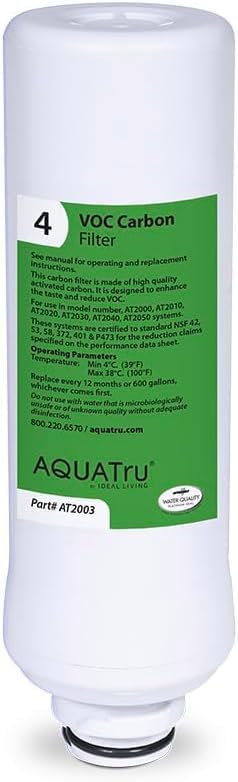


Best For: Households seeking maximum lead protection without permanent installation or plumbing modifications.
2. Waterdrop G3 P800 Under-Sink RO System – Best Under-Sink System
For permanent, high-capacity lead removal, the Waterdrop G3 P800 delivers exceptional performance. It has been IAPMO certified to NSF 42, NSF 58, and NSF 53 for reducing TDS, fluoride, cadmium, hexavalent chromium, and selenium, providing comprehensive protection.
Key Features:
- Tankless reverse osmosis system saves space
- 800 gallons per day capacity
- Smart features including filter-life tracker
- TDS meters monitor filter performance
- UV purification prevents recontamination
- Removes lead, arsenic, fluoride, and heavy metals

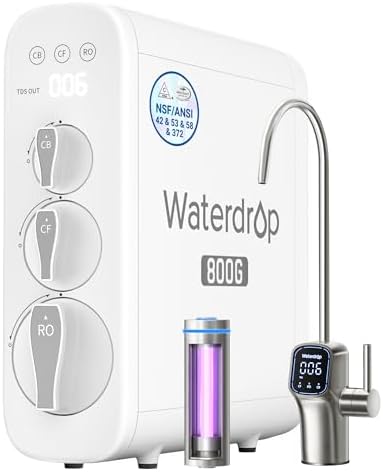
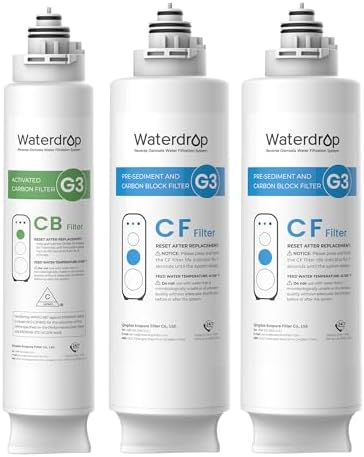
Best For: Homeowners wanting whole-kitchen lead protection with professional-grade performance.
3. Clearly Filtered Pitcher – Best Pitcher Filter for Lead
For affordable, convenient lead removal, the Clearly Filtered Pitcher outperforms standard options. It’s WQA certified to reduce lead along with 100+ other contaminants, making it ideal for budget-conscious families.
Key Features:
- WQA certified for lead reduction
- Removes 99.9% of lead
- No installation required
- Filters last 100 gallons
- Also removes fluoride, mercury, chromium
- BPA-free materials
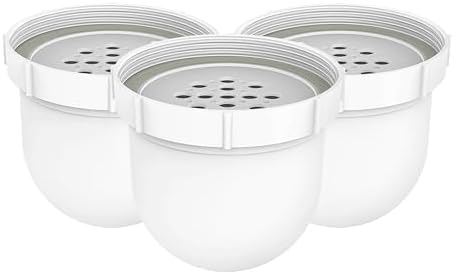
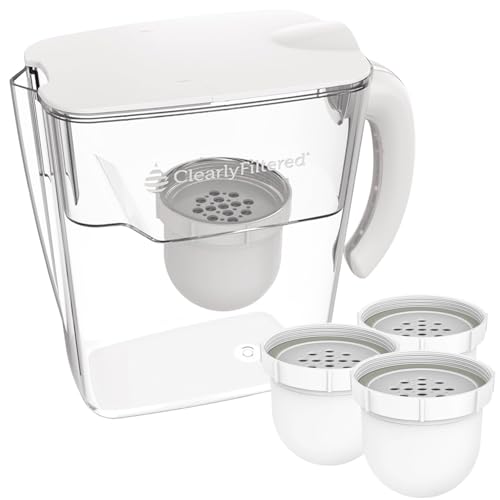
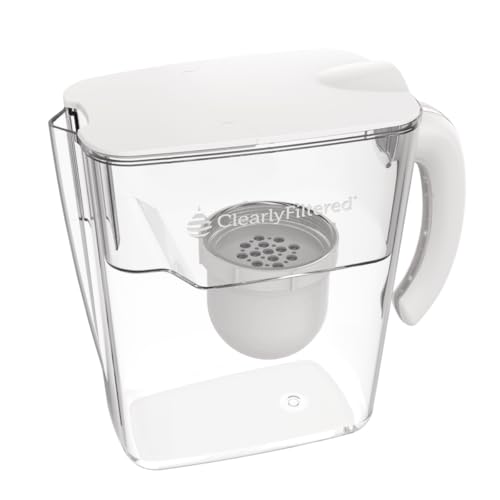
Best For: Renters, small kitchens, or those seeking basic but effective lead protection.
4. PUR PLUS Faucet Mount Filter – Best Faucet-Mount Option
The PUR PLUS faucet filter offers certified lead removal with maximum convenience. The 3-in-1 PUR PLUS filter is NSF-certified for lead, microplastics, chlorine, and more than 20 chemical and physical impurities.
Key Features:
- NSF 53 certified for lead reduction
- Attaches directly to most faucets
- Switch between filtered and unfiltered water
- Filter change indicator
- Removes 99% of lead
- Affordable filter replacements


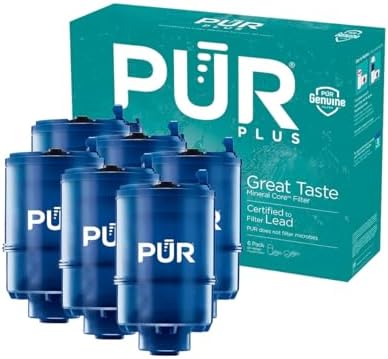

Best For: Quick, affordable lead protection without under-sink installation.
5. Aquasana 3-Stage Max Flow Under-Sink Filter – Best Carbon Filter
For those preferring carbon filtration over reverse osmosis, the Aquasana 3-Stage system provides NSF-certified lead removal while retaining beneficial minerals.
Key Features:
- NSF 53 certified for lead and other health contaminants
- Three-stage filtration process
- 800-gallon capacity
- Faster flow rate than RO systems
- Retains healthy minerals
- Dedicated filter faucet
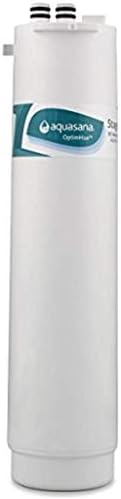
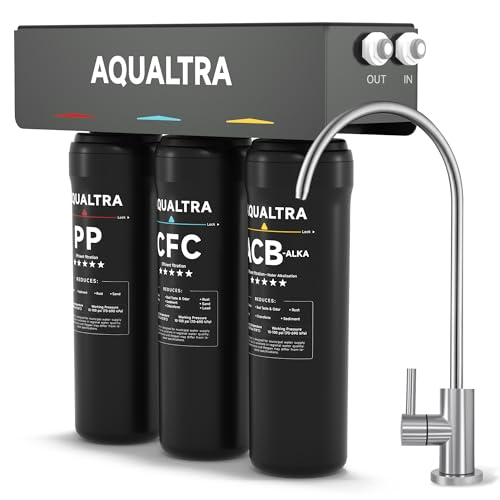
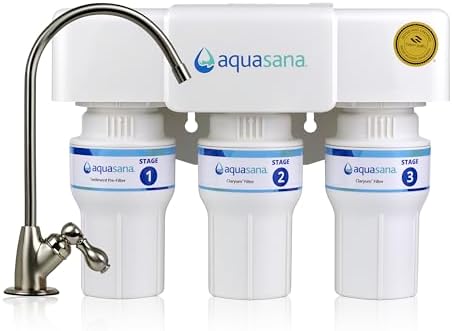
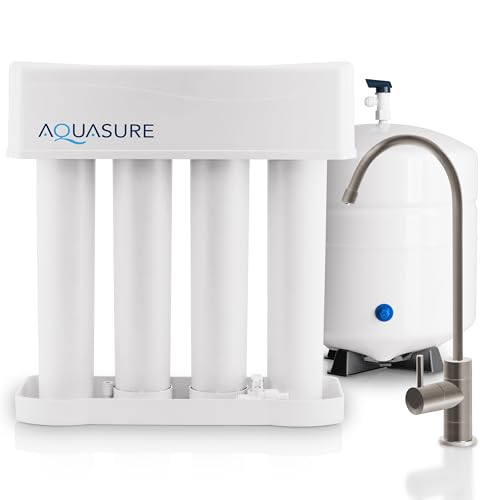
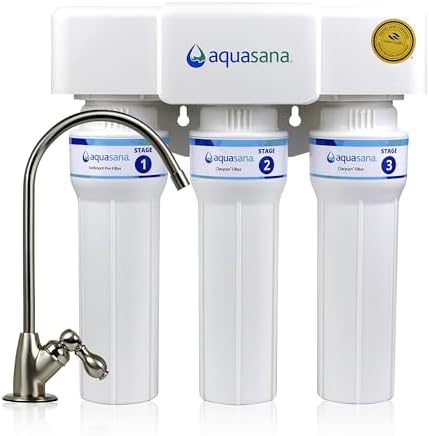

Best For: Those wanting lead removal without the water waste of reverse osmosis systems.
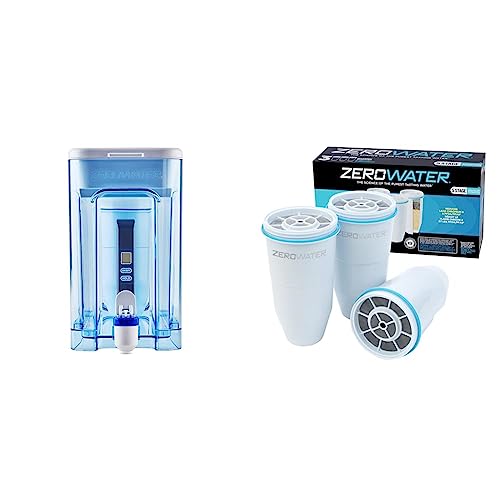
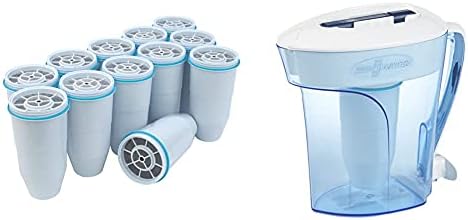
6. ZeroWater 10-Cup Pitcher – Best Ion Exchange Pitcher
The ZeroWater pitcher uses ion exchange technology for superior contaminant removal. It’s certified to NSF 53 for removing contaminants with health effects including lead, plus NSF 42 and NSF 401 for every single contaminant it’s claimed to reduce.
Key Features:
- Five-stage ion exchange filtration
- NSF 53, 42, and 401 certified
- Includes TDS meter to monitor filter performance
- Removes virtually all dissolved solids
- Certified for lead removal
- Faster filtration than standard pitchers


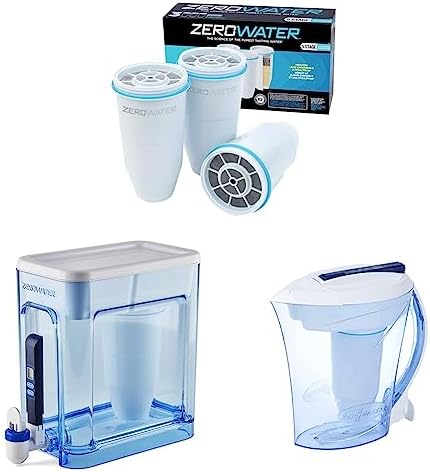
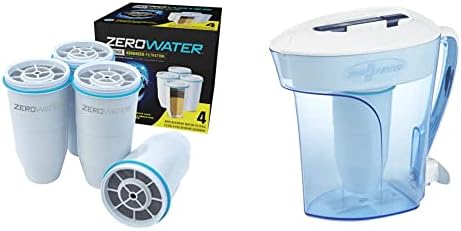
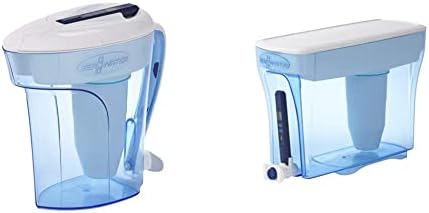
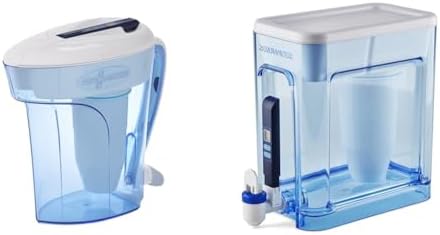
Best For: Households wanting pitcher convenience with near-RO performance for lead removal.
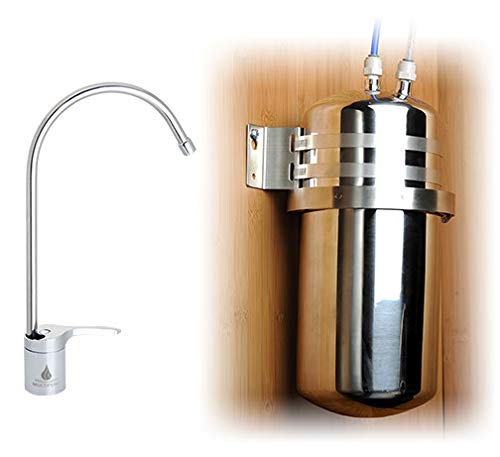
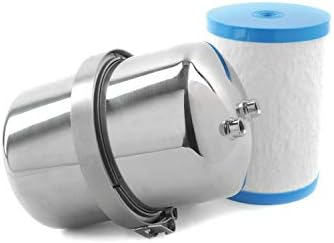
7. Multipure Aqualuxe Under-Sink System – Best Solid Carbon Block
The Multipure Aqualuxe uses advanced solid carbon block technology with extensive NSF 53 certification for health-effect contaminants.
Key Features:
- NSF 53 certified for lead, mercury, asbestos, cysts
- Also certified for VOC reduction
- Solid carbon block captures submicron particles
- Long filter life (750 gallons)
- Dedicated filtered water faucet
- Made in USA with lifetime warranty
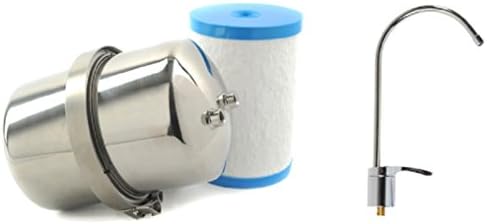
Best For: Long-term reliability and comprehensive lead plus contaminant protection.
Understanding Water Filter Certifications: Why NSF 53 Matters
When shopping for lead water filters, certifications provide crucial assurance of performance. Understanding these standards helps you avoid ineffective products.
NSF/ANSI Standard 53 Explained
NSF 53 certification means a water filter has been approved to reduce or remove contaminants that cause health problems, also known as the “Health Effects” standard. This covers lead, mercury, asbestos, cysts, and other dangerous contaminants.
Water filters are tested and certified to NSF/ANSI 53 to ensure they reduce contaminants including lead per the requirements of the standards. Testing involves rigorous evaluation using water containing 150 parts per billion of lead—ten times higher than EPA’s action level—to verify the filter can handle high contamination.
What NSF 53 Certification Actually Proves
Certification requires manufacturers to:
- Submit products to independent third-party testing
- Demonstrate consistent lead reduction over the filter’s rated capacity
- Prove structural integrity and materials safety
- Allow ongoing unannounced facility inspections
- Maintain accurate performance claims
Critically, each NSF/ANSI standard can cover many contaminants, so make sure the product you are looking at is certified to reduce the specific contaminant of concern. A filter might have NSF 53 certification for cysts but not for lead, so always verify lead is specifically listed.
Other Reputable Certifications
Beyond NSF International, two other organizations provide reliable third-party certification:
Water Quality Association (WQA): Tests products to NSF standards and maintains a gold seal certification program
International Association of Plumbing & Mechanical Officials (IAPMO): Certifies products to NSF/ANSI standards with equal rigor
All three organizations maintain searchable online databases where you can verify a product’s certification status and see exactly which contaminants it’s certified to remove.
NSF 58 for Reverse Osmosis Systems
NSF/ANSI Standard 58 is the nationally recognized standard for water treatment systems that use reverse osmosis technology. RO systems should carry both NSF 58 certification for the system and NSF 53 certification specifically for lead reduction.
Red Flags to Avoid
Be wary of products that claim “tested to NSF standards” without actual certification. This vague language might mean partial testing or self-testing rather than independent verification. Also watch for:
- No mention of which specific contaminants are reduced
- Missing certification numbers or certifying body names
- Claims of “removes all contaminants” (impossible)
- Lack of filter capacity specifications
- No replacement filter availability
Installation and Maintenance Best Practices
Proper installation and maintenance ensure your lead filter continues protecting your family effectively over its lifespan.
Installation Guidelines by Filter Type
Pitcher Filters: No installation required. Simply rinse the pitcher and filter, insert the filter according to directions, and fill with water.
Faucet-Mount Filters: Remove aerator from faucet, attach filter according to manufacturer instructions, and ensure tight seal to prevent bypass. Most install in under 5 minutes.
Under-Sink Systems: Require connection to cold water line and sometimes drainage for RO systems. Basic carbon filters can be DIY-installed with moderate plumbing skills in 1-2 hours. Complex RO systems may benefit from professional installation.
Countertop RO Systems: Set unit on counter, plug into outlet, install filters as directed, fill water tank, and begin use. No plumbing connections needed.
Critical Maintenance Requirements
Filter saturation is crucial to monitor because if you don’t change filters when saturated, lead levels in filtered water can exceed levels coming from the tap. This counterintuitive result occurs when overloaded filter media releases previously captured contaminants back into water.
Follow these maintenance practices:
Track Filter Life: Set calendar reminders for replacement dates. Many modern systems include indicator lights or apps that track water volume filtered.
Replace On Schedule: Never extend filter life beyond manufacturer recommendations, even if water tastes fine. Lead removal performance declines before taste changes become noticeable.
Keep Spare Filters: Stock replacement filters so you’re never caught without one when replacement time arrives.
Document Replacements: Keep records of filter replacement dates to establish patterns and ensure compliance with recommended schedules.
System Sanitization
Sanitize your filtration system according to manufacturer guidelines, typically annually or when replacing major components. This prevents bacterial growth that could compromise water quality even if lead removal remains effective.
Additional Steps to Reduce Lead Exposure
While filtration provides the most reliable protection, combining it with other strategies maximizes safety.
Flushing Your Pipes
If you haven’t used water for several hours, run cold water for 30 seconds to 3 minutes before using it for drinking or cooking. This flushes water that has been sitting in pipes dissolving lead.
Never Use Hot Tap Water for Consumption
The most common problem is with brass or chrome-plated brass fixtures which can leach significant amounts of lead into water, especially hot water. Always use cold water for drinking, cooking, and preparing baby formula, then heat it as needed.
Consider Lead Service Line Replacement
If your home has a lead service line, replacement eliminates the primary contamination source. Many municipalities offer assistance programs or subsidies for lead service line replacement. Contact your water utility to ask about available programs.
Get Your Child Tested
Have your pediatrician test your child’s blood lead levels, especially if you’ve discovered lead in your water. Early detection allows for intervention before permanent damage occurs.
Clean Faucet Aerators
Sediment and lead particles can accumulate in faucet aerators (the screen at the faucet tip). Remove and clean aerators regularly to prevent recontamination of filtered water.
Making Your Purchase Decision: What to Consider
Choosing the right lead filter requires balancing effectiveness, convenience, budget, and household needs.
Effectiveness is Non-Negotiable
Only consider filters with verified NSF 53 certification specifically listing lead reduction. No matter how convenient or affordable, a filter that doesn’t effectively remove lead fails its primary purpose.
Match Filter Type to Your Situation
Renters: Choose portable options like countertop RO systems or pitcher filters requiring no installation
Homeowners: Consider permanent under-sink systems for superior performance and convenience
Large Families: Select high-capacity systems that won’t require constant refilling or slow filtration
Budget-Conscious: Start with certified pitcher filters, but understand they require frequent refills and filter changes
Calculate Total Cost of Ownership
Initial purchase price tells only part of the story. Consider:
- Filter replacement frequency and cost
- Annual maintenance expenses
- Water waste for RO systems
- Energy usage for electric systems
- Installation costs if professional help needed
A $30 pitcher requiring $15 filters every two months costs $90 annually in replacements. A $400 under-sink system with $60 annual filter costs might provide better long-term value.
Think Long-Term
Lead exposure prevention is an ongoing need, not a one-time fix. Choose a system you’ll consistently maintain rather than the most sophisticated option you might neglect.
Frequently Asked Questions About Lead in Water
Q: Can boiling water remove lead?
A: No. Boiling water actually concentrates lead by evaporating water volume while leaving the lead behind. Never boil water to remove lead.
Q: Is bathing in lead-contaminated water dangerous?
A: Bathing and showering should be safe for adults and children because human skin does not absorb lead in water. Lead exposure occurs primarily through ingestion.
Q: Do Brita filters remove lead?
A: Only specific Brita models with NSF 53 certification remove lead. Standard Brita filters without this certification provide minimal lead protection. Always verify NSF 53 certification specifically for lead.
Q: How often should I test my water for lead?
A: Test annually, when you move into a new home, after any plumbing work, if your water utility reports problems, or if water taste, odor, or appearance changes.
Q: Are expensive filters always better for lead removal?
A: Not necessarily. Certification matters more than price. A $50 filter with NSF 53 lead certification outperforms a $500 filter without it. However, more expensive systems often offer additional features, higher capacity, and greater convenience.
Q: Can I trust water filter claims without certification?
A: No. When a product claims that it has been “tested to NSF standards” without receiving any actual certification, parts of the standards could have been omitted. Only trust verified third-party certifications.
Q: Will a whole-house filter remove lead?
A: Some whole-house filters reduce lead, but point-of-use filters at drinking water taps typically provide superior lead removal because they’re specifically designed for this purpose and certified to NSF 53.
Take Action to Protect Your Family Today
Lead contamination in tap water represents a preventable health crisis affecting millions of American families. The consequences of exposure—particularly for children—are too severe to ignore or postpone addressing.
The good news is that effective solutions exist right now. NSF-certified lead water filters can remove 99% or more of this dangerous neurotoxin, providing safe drinking water starting immediately after installation.
Don’t wait for government mandates, municipal testing, or visible problems. The EPA and health experts agree that no amount of lead is safe, so any level above zero is not considered safe. This means even low-level contamination poses risks worth addressing.
Your action plan:
- Test your water to understand your baseline lead levels
- Choose an NSF 53 certified filter appropriate for your household needs
- Install it correctly following manufacturer instructions
- Maintain it diligently with timely filter replacements
- Continue testing periodically to verify ongoing protection
The filters recommended in this guide offer proven lead removal backed by independent certification and real-world testing. Each represents an investment in your family’s long-term health and cognitive development protection.
Remember that childhood lead exposure causes permanent, irreversible damage. Every day you wait is another day of potential exposure to a neurotoxin that could lower your child’s IQ, impair their learning ability, and create lifelong challenges.
The choice is clear: protect your family’s drinking water with certified lead filtration today. Your children’s developing brains—and their entire futures—depend on it.
Disclaimer: This article contains affiliate links to Amazon products. We may earn a commission from qualifying purchases at no additional cost to you. Product availability and prices are subject to change. Always consult with healthcare professionals regarding specific health concerns related to lead exposure.