PFAS in Tap Water 2025: The Forever Chemicals Crisis and Best Home Water Filters to Remove Them


Understanding the Growing PFAS Contamination Crisis
When you turn on your kitchen faucet, you expect clean, safe drinking water. But what if I told you that more than 172 million Americans are now exposed to PFAS-contaminated tap water? The reality is sobering: these toxic “forever chemicals” have infiltrated water systems across all 50 states, putting millions at risk of serious health consequences.
Recent data from the Environmental Protection Agency reveals an alarming trend. Testing has identified 9,552 PFAS-contaminated sites nationwide, and that number continues to climb with each new round of testing. What’s more troubling is that federal research estimates at least 45% of U.S. tap water contains one or more types of PFAS.
If you’re concerned about PFAS in your drinking water, you’re not alone. The good news? Effective home water filters can dramatically reduce these dangerous contaminants. In this comprehensive guide, we’ll explore what PFAS are, why they’re so dangerous, and which water filtration systems actually work to protect your family.
What Are PFAS and Why Should You Be Worried?
PFAS stands for per- and polyfluoroalkyl substances, a family of more than 14,000 synthetic chemicals that have been manufactured since the 1950s. They’re called “forever chemicals” because they virtually never break down in the environment or in our bodies.
These chemicals are everywhere in modern life. You’ll find them in non-stick cookware, stain-resistant carpets and fabrics, food packaging, cosmetics, and firefighting foam. Their widespread use has led to extensive environmental contamination, particularly in water supplies.
The Chemical Structure That Makes PFAS Dangerous
PFAS molecules feature a chain of linked carbon and fluorine atoms, creating one of the strongest chemical bonds known to science. This extraordinary stability is precisely what makes them useful in manufacturing but catastrophic for human health and the environment. These chemicals don’t degrade naturally, accumulating instead in soil, water, air, and living organisms.
Where PFAS Contamination Is Worst
Geographic location significantly impacts your exposure risk. Studies show PFAS contamination is highest in the Great Plains, Great Lakes, Eastern Seaboard, and Central/Southern California regions. Urban areas face particularly elevated risks, with USGS research indicating only a 25% probability of PFAS-free tap water in urban locations compared to 75% in rural areas.
The Serious Health Risks of PFAS Exposure
The health implications of PFAS exposure are extensive and deeply concerning. Research consistently demonstrates that these chemicals pose significant threats to multiple body systems, even at extremely low concentrations.
Cancer Risks
Multiple epidemiological studies have established connections between PFAS exposure and several types of cancer. Research shows increased risk of prostate, kidney, and testicular cancers associated with PFAS exposure. The International Agency for Research on Cancer has classified PFOA as carcinogenic to humans and PFOS as potentially carcinogenic.
Immune System Suppression
Perhaps the most well-documented effect of PFAS is immune system damage. PFAS exposure reduces the body’s ability to fight infections and decreases vaccine response. This is particularly alarming for children and pregnant women, whose developing immune systems are especially vulnerable.
The Centers for Disease Control has detected PFAS in the blood of 99 percent of Americans, including newborn babies. This universal exposure means nearly everyone faces some level of risk.
Reproductive and Developmental Impacts
Current scientific studies demonstrate that PFAS exposure can cause reproductive effects including decreased fertility and increased high blood pressure in pregnant women. Children face particular vulnerability, with potential developmental delays, low birth weight, accelerated puberty, bone variations, and behavioral changes linked to PFAS exposure.
Additional Health Concerns
Beyond cancer and immune suppression, PFAS exposure has been associated with increased cholesterol levels, liver and kidney disease, thyroid hormone disruption, and metabolic disorders. The cumulative effect of these health impacts creates a serious public health crisis affecting millions.
How PFAS Gets Into Your Drinking Water
Understanding contamination sources helps explain why this problem has become so widespread. PFAS enter water supplies through multiple pathways, making complete prevention nearly impossible without proper filtration.
Industrial Sources
Manufacturing facilities, chemical plants, and industrial sites discharge PFAS into nearby waterways. Environmental Working Group estimates suggest nearly 30,000 industrial polluters could be releasing PFAS into the environment, including drinking water sources.
Military and Airport Facilities
Military bases and airports represent major contamination hotspots due to their extensive use of PFAS-containing firefighting foam. These facilities have released enormous quantities of forever chemicals into surrounding soil and groundwater over decades of training exercises and emergency responses.
Wastewater Treatment Limitations
Standard municipal water treatment processes were never designed to remove PFAS. These chemicals pass through conventional treatment facilities largely unaffected, contaminating treated water supplies and biosolids used as agricultural fertilizer.
Old Infrastructure
EPA interim health advisories for PFOS and PFOA were exceeded in every sample where they were detected during USGS testing. This indicates that even water systems meeting older standards may contain dangerous levels of these contaminants.
Which Water Filters Actually Remove PFAS?
Not all water filters are created equal when it comes to PFAS removal. Many standard filters have little to no effect on these persistent chemicals. Understanding which technologies work is crucial for protecting your family.
Reverse Osmosis Systems: The Gold Standard
Reverse osmosis systems demonstrate the highest PFAS removal rates, with independent testing showing 94% or more reduction for many PFAS compounds, including newer ones like GenX. These systems use semi-permeable membranes with extremely tiny pores that physically block PFAS molecules.
The RO process pushes water through a membrane with 0.0001-micron pores under pressure. PFAS compounds, along with salts, metals, and numerous other contaminants, are rejected and flushed away in a small wastewater stream. This technology handles both long-chain and short-chain PFAS more effectively than any other home treatment option.
Activated Carbon Filters
High-quality activated carbon filters, particularly those using granular activated carbon (GAC) or catalytic carbon, can effectively reduce PFAS levels. However, performance varies significantly based on design, carbon quality, and maintenance.
Activated carbon materials are extremely porous, with small pores that trap contaminants as water passes through. The key is ensuring your carbon filter has been independently tested and certified specifically for PFAS removal, not just general contaminant reduction.
Ion Exchange Systems
Ion exchange resins work by using tiny beads that act as powerful magnets, attracting and holding contaminated materials from water passing through the system. While effective for some PFAS types, these systems typically work best when combined with other filtration technologies.
What Doesn’t Work
It’s equally important to understand what won’t protect you. Standard pitcher filters without PFAS certification, basic faucet-mount filters, and simple carbon blocks typically provide minimal to no PFAS removal. Boiling water actually concentrates PFAS by reducing water volume while leaving contaminants behind.
Best PFAS Water Filters for 2025: Top Recommendations
Based on independent testing, certifications, and real-world performance, here are the most effective PFAS water filters currently available on Amazon.
Best Under-Sink Reverse Osmosis System: Waterdrop G3 P800
The Waterdrop G3 P800 is a high-efficiency under-sink RO system certified by IAPMO for PFOA/PFOS removal, with testing showing it greatly reduces or eliminates detected contaminants. This tankless system provides purified water directly to a dedicated faucet, making it ideal for drinking and cooking.
Key Features:
- IAPMO certified for PFAS reduction
- Tankless design saves space
- Fast water flow rate
- 800 GPD capacity
- Low maintenance costs at approximately 11 cents per gallon
- Also removes fluoride, lead, arsenic, and nitrates
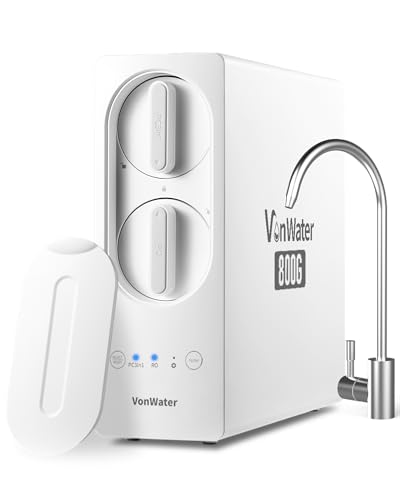


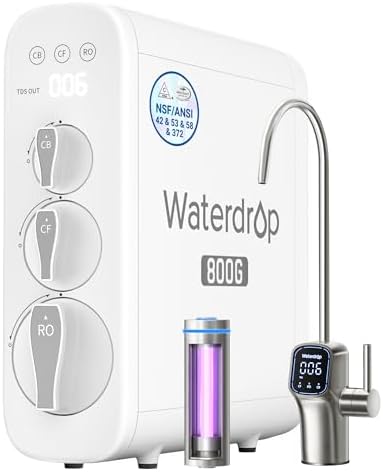
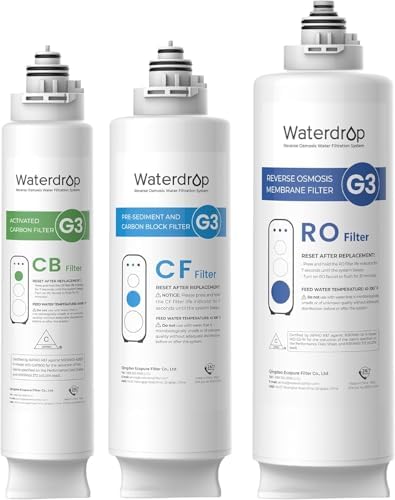
Best For: Homeowners seeking comprehensive PFAS protection with professional-grade results at the kitchen sink.
Best Countertop RO System: AquaTru Classic
The AquaTru removes 97.5% of PFAS and ranks as a top performer in both countertop water filters and reverse osmosis systems categories. Its plug-and-play design requires no installation or plumbing modifications.
Key Features:
- Four-stage filtration process
- No installation required
- NSF certified for Standards 42, 53, 58, and 401
- Portable and renter-friendly
- Removes PFAS, heavy metals, VOCs, and more
- Simple filter replacement
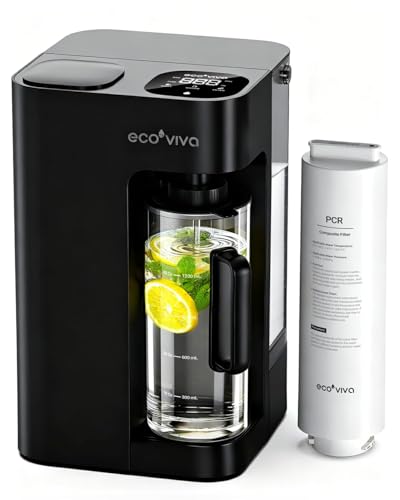
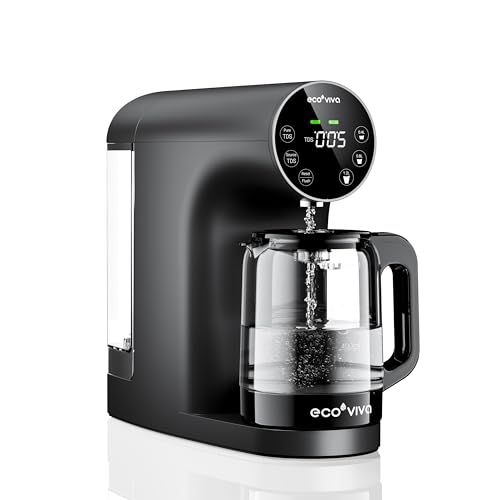


Best For: Renters, small spaces, or anyone wanting effective PFAS removal without permanent installation.
Best Certified Water Pitcher: Clearly Filtered Pitcher
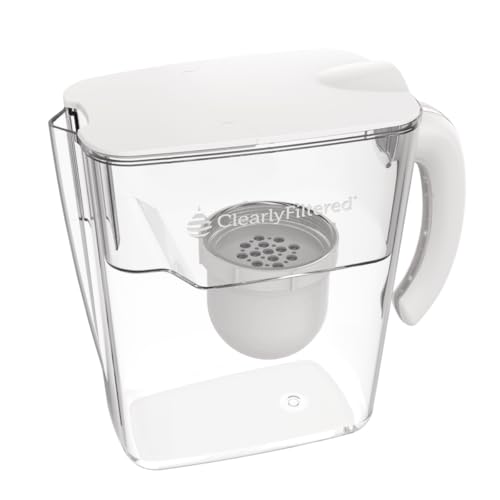
The Clearly Filtered Pitcher provides WQA-certified PFAS reduction in an affordable, convenient format. While pitcher filters generally can’t match RO performance, this model significantly outperforms standard options.
Key Features:
- WQA certified for PFOA, PFOS, and GenX removal
- Reduces 100+ contaminants
- No installation required
- Affordable entry point
- Removes lead, mercury, and other heavy metals
- Standard pitcher design fits in refrigerator
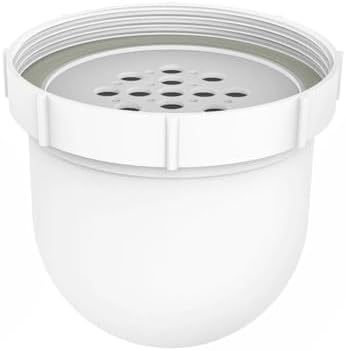
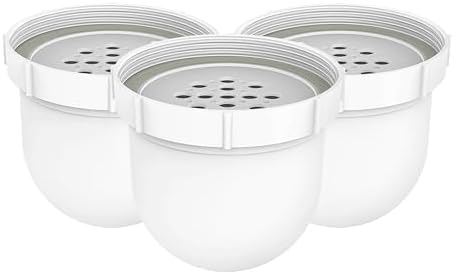
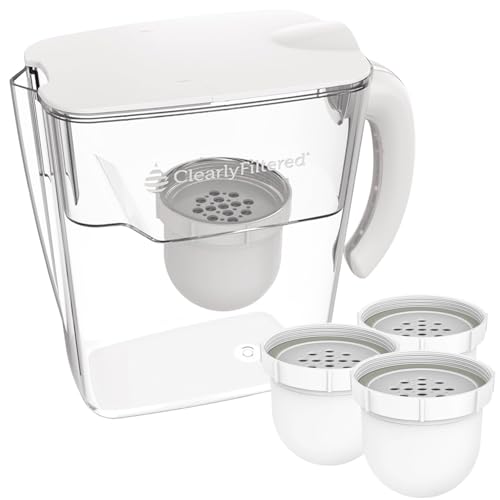
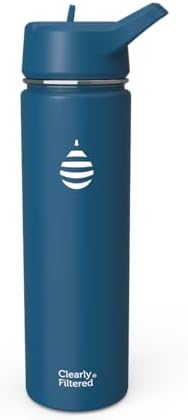
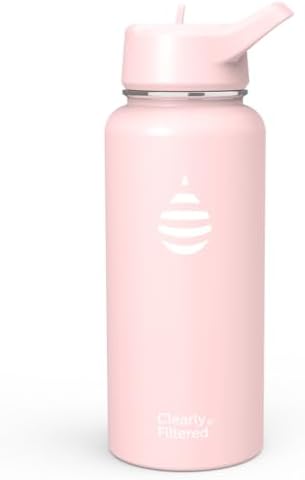
Best For: Budget-conscious consumers or those seeking basic PFAS protection without major investment.
Best Whole-House System: SpringWell CF1
The SpringWell CF1 uses catalytic carbon and KDF media to remove over 99.5% of PFAS through its four-stage filtration process. This point-of-entry system treats all water entering your home.
Key Features:
- Four-stage filtration with KDF media and catalytic carbon
- Treats water for entire house
- Removes PFAS, chlorine, pesticides, and herbicides
- One million gallon capacity
- Lifetime warranty available
- No drop in water pressure

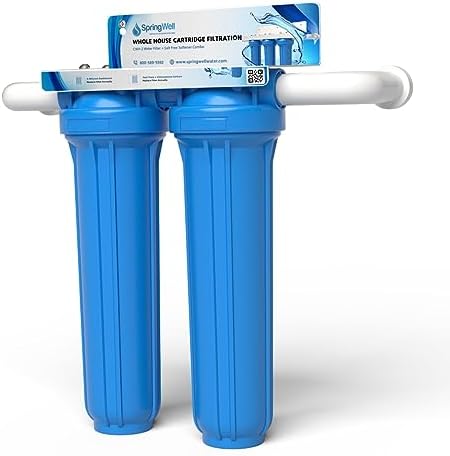
Best For: Homeowners wanting comprehensive PFAS protection for drinking, cooking, bathing, and laundry.
Best Under-Sink Carbon System: Clearly Filtered 3-Stage
For those preferring carbon filtration over reverse osmosis, the Clearly Filtered 3-Stage system offers impressive performance with independent verification for 100+ contaminants including PFAS.
Key Features:
- Independently certified PFAS reduction
- Three-stage filtration process
- Direct-to-faucet delivery
- Lower cost than RO systems
- Simpler maintenance
- Retains beneficial minerals



Best For: Those seeking effective PFAS removal while maintaining mineral content in drinking water.
Understanding Filter Certifications: What to Look For
Not every filter claiming PFAS removal actually delivers. Third-party certifications provide crucial verification that a product performs as advertised.
NSF/ANSI Certification Standards
For filters that remove PFAS, look for NSF/ANSI 53 certification (or NSF/ANSI 58 for reverse osmosis systems), followed by the manufacturer’s verified claim for PFAS reduction. These standards ensure products have undergone rigorous independent testing.
NSF/ANSI 53 covers health-effect contaminants, while NSF/ANSI 58 specifically applies to reverse osmosis systems. Products must demonstrate consistent performance over their rated lifetime, not just when new.
Other Reputable Certifications
Beyond NSF, look for certifications from the Water Quality Association (WQA) and International Association of Plumbing & Mechanical Officials (IAPMO). All three organizations maintain searchable databases of certified products on their websites.
Red Flags to Avoid
Be wary of products making bold claims without certification backing. “Tested to remove PFAS” without specifying the testing organization, percentage reduction, or specific PFAS compounds removed should raise concerns. Generic phrases like “reduces contaminants” or “improves water quality” offer no meaningful protection guarantee.
How to Choose the Right PFAS Filter for Your Home
Selecting the optimal filter requires considering multiple factors beyond just effectiveness. Your budget, living situation, water usage, and specific contamination concerns all play important roles.
Factor 1: Test Your Water First
Before investing in filtration, know what you’re dealing with. Over 158 million Americans in all 50 states and the District of Columbia have PFAS in their drinking water according to the latest EPA data. Contact your water utility for current test results or use a certified laboratory for private well testing.
Factor 2: Consider Your Budget
PFAS filtration represents a significant investment, but options exist across price ranges:
Budget-Friendly ($50-$200): Certified pitcher filters provide basic protection for limited water needs
Mid-Range ($300-$600): Under-sink carbon systems or countertop RO units balance cost with performance
Premium ($600-$2,000+): Under-sink RO systems and whole-house filters offer comprehensive protection
Remember to factor ongoing costs. Filter replacements typically cost $50-$200 annually depending on your system and water usage.
Factor 3: Installation Requirements
Your living situation may dictate which systems are practical:
Renters: Choose portable options like countertop RO systems or pitcher filters requiring no permanent installation
Homeowners: Consider under-sink or whole-house systems for comprehensive, permanent solutions
DIY vs. Professional: Pitcher and countertop systems install easily, while under-sink RO systems range from moderately challenging to requiring professional installation
Factor 4: Water Usage Volume
Match filtration capacity to your household’s consumption:
Single person or couple: Pitcher filters or small countertop systems may suffice
Family of 3-5: Under-sink RO systems provide adequate capacity for drinking and cooking
Large families or high usage: Whole-house systems or large-capacity RO units prevent flow rate limitations
Factor 5: Maintenance Requirements
Consider ongoing maintenance when choosing a system:
Pitcher Filters: Replace every 2-3 months, simple process
Carbon Systems: Replace cartridges every 6-18 months
RO Systems: Replace pre-filters every 6-12 months, membrane every 2-3 years
Whole-House Systems: Annual or bi-annual professional servicing recommended
Installation and Maintenance Best Practices
Proper installation and maintenance ensure your filter continues protecting your family effectively over time.
Installation Tips
For under-sink systems, ensure adequate space beneath your sink before purchasing. Most require connection to a cold water line and drainage for wastewater. Countertop RO systems need only a power outlet and enough counter space.
Always follow manufacturer instructions precisely. Even minor installation errors can significantly reduce filter performance or cause leaks. When in doubt, hire a licensed plumber for under-sink installations.
Critical Maintenance Reminder
Filter saturation is crucial to monitor because if you don’t change filters when saturated, PFAS levels in filtered water can exceed levels coming from the tap. This counterintuitive result occurs when overloaded carbon releases previously captured contaminants.
Set calendar reminders for filter changes. Many modern systems include indicator lights or apps that track filter life based on water volume. Never extend filter life beyond manufacturer recommendations, even if water still tastes fine.
System Sanitization
Periodically sanitize your filtration system according to manufacturer guidelines. This prevents bacterial growth that can compromise water quality and system performance. Most systems require sanitization annually or when replacing major components.
Additional Ways to Reduce PFAS Exposure
While water filtration provides the most effective protection for drinking water, other steps can further minimize overall PFAS exposure.
Dietary Considerations
Avoid food packaged in PFAS-containing materials when possible. Microwave popcorn bags, fast food wrappers, and certain pizza boxes often contain these chemicals. Choose fresh, unpackaged foods and store leftovers in glass or stainless steel containers rather than non-stick cookware.
Household Product Choices
Replace non-stick cookware with cast iron, stainless steel, or ceramic alternatives. Choose furniture and carpeting without stain-resistant treatments. Look for cosmetics and personal care products labeled PFAS-free.
Know Your Risk Factors
Living near airports, military bases, industrial sites, or fire training facilities increases exposure risk. If you’re in these areas, water filtration becomes even more critical for protecting your health.
The Future of PFAS Regulation and What It Means for You
Recent regulatory developments have created both hope and concern for PFAS-affected communities.
Current EPA Standards
The EPA established the first nationwide limits for six PFAS compounds in drinking water in 2024. However, the agency signaled in May 2025 it would eliminate maximum contaminant levels for four of these compounds, retaining standards only for PFOA and PFOS.
This regulatory uncertainty means consumers cannot rely solely on government standards to ensure safe drinking water. Home filtration provides the most reliable protection regardless of changing regulations.
State-Level Action
Many states have implemented their own PFAS standards stricter than federal requirements. Check your state environmental protection agency’s website for local regulations and testing requirements.
What This Means for Consumers
The evolving regulatory landscape reinforces why taking personal action matters. Don’t wait for government mandates to protect your family. Effective filtration technology exists now and can dramatically reduce your PFAS exposure starting immediately.
Making Your Purchase Decision
Armed with this information, you can confidently select a PFAS water filter that meets your specific needs. Remember these key takeaways:
Certification Matters: Only choose products with independent third-party certification specifically for PFAS removal
Reverse Osmosis Leads: RO systems provide the most comprehensive PFAS reduction available for home use
Match System to Needs: Consider your budget, living situation, and water usage when choosing between pitcher, countertop, under-sink, or whole-house options
Maintenance Is Critical: Set reminders and replace filters on schedule to maintain protection
Test Your Water: Know what contaminants you’re dealing with before investing in filtration
Act Now: With over 172 million Americans exposed to PFAS in their tap water, waiting only extends your exposure to these harmful chemicals
Frequently Asked Questions
Q: Can I test my tap water for PFAS at home?
A: Home test kits exist but vary in reliability. For accurate results, use a state-certified laboratory. Many offer mail-in kits ranging from $195 to $1,000 depending on comprehensiveness. Some counties provide free or discounted testing.
Q: Do Brita filters remove PFAS?
A: Standard Brita filters are not certified for PFAS removal and provide minimal to no protection against forever chemicals. Choose filters specifically certified for PFAS reduction.
Q: How often should I replace PFAS water filters?
A: Replacement frequency varies by system type. Pitcher filters need replacement every 2-3 months, carbon cartridges every 6-18 months, and RO membranes every 2-3 years. Always follow manufacturer recommendations.
Q: Are PFAS filters worth the cost?
A: Given the serious health risks associated with PFAS exposure and the reality that over 172 million Americans have contaminated tap water, effective filtration represents a worthwhile investment in long-term health protection.
Q: Will boiling water remove PFAS?
A: No. Boiling water actually concentrates PFAS by reducing water volume while leaving contaminants behind. Only advanced filtration technologies can effectively remove these chemicals.
Q: Can I use filtered PFAS water for cooking?
A: Yes. Water filtered through certified PFAS removal systems is safe for drinking, cooking, baby formula preparation, and any other consumption purpose.
Take Action to Protect Your Family Today
The PFAS contamination crisis affects millions of Americans, but you don’t have to be helpless. Effective water filtration technology exists right now that can dramatically reduce your family’s exposure to these harmful forever chemicals.
Don’t wait for stricter regulations or improved municipal water treatment. The filters recommended in this guide offer proven PFAS reduction backed by independent certification and real-world testing.
Your health and your family’s health are worth the investment. Choose a certified PFAS water filter today and take control of your drinking water quality. Every day you wait is another day of unnecessary exposure to chemicals linked to cancer, immune system damage, and developmental problems.
The solution is clear: test your water, choose the right filter for your situation, install it properly, and maintain it consistently. Your body—and your family—will thank you for taking this crucial step toward protecting their health and wellbeing.
Disclaimer: This article contains affiliate links to Amazon products. We may earn a commission from qualifying purchases at no additional cost to you. Product availability and prices are subject to change. Always consult with healthcare professionals regarding specific health concerns.