Top 7 Plants That Naturally Clean Indoor Air (Backed by Science)

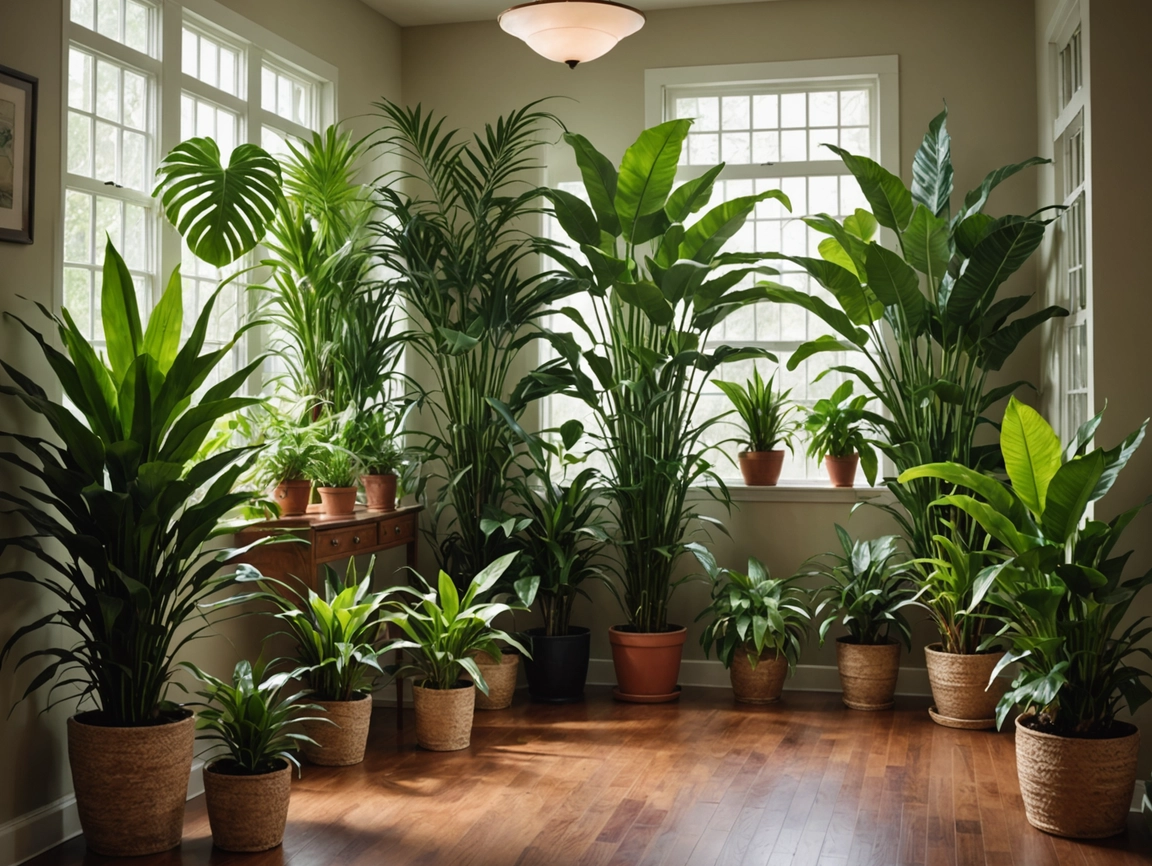
Indoor air can be up to several times more polluted than outdoor air, thanks to trapped dust, VOCs (volatile organic compounds), and everyday chemicals from furniture, cleaning products, and building materials. While ventilation and filtration are still the most powerful tools for cleaner air, research shows certain indoor plants can help reduce some pollutants and support a fresher, healthier home environment.
This guide explores seven of the best-studied air‑cleaning plants, what the science actually says, and how to use them alongside other indoor air quality strategies.
Do Plants Really Clean Indoor Air?
The NASA Clean Air Study: What It Showed
In the late 1980s and early 1990s, NASA researchers tested common houseplants in sealed chambers to see how well they could remove chemicals like benzene, formaldehyde, and trichloroethylene from the air. The results showed that plant leaves, roots, and their associated soil microbes could reduce certain VOCs over time in these controlled environments.
The NASA Clean Air Study sparked the popular idea that a few potted plants could act like natural air purifiers in any home or office.
Newer Research: The Realistic Picture
More recent systematic reviews and experiments in real-world rooms paint a more nuanced picture.
- In small, sealed test chambers, potted plants and green walls can significantly reduce VOC levels and some particles over several hours.
- In normal rooms with air exchange, you would need many plants per square meter—or active green wall systems with fans—to match the cleaning power of mechanical ventilation and HEPA filtration.
So, plants should be seen as a supporting strategy for indoor air quality, not a complete replacement for ventilation, filtration, and source control of pollutants.
How Plants Help Clean Indoor Air
Three Main Mechanisms
Research identifies three key ways plants contribute to cleaner indoor air.
- Leaf surfaces trap particles
- Leaves absorb some gases
- Roots and microbes break down VOCs
What Plants Can (and Cannot) Do
Indoor plants can:
- Help reduce some VOCs and support a less “stuffy” environment.
- Improve perceived air freshness and comfort, which can positively affect mood and stress.
Indoor plants cannot:
- Replace proper ventilation or high‑efficiency filters for serious pollution issues.
- Fix problems like heavy mold, strong smoke exposure, or high levels of toxic gases on their own.
Top 7 Plants That Naturally Clean Indoor Air
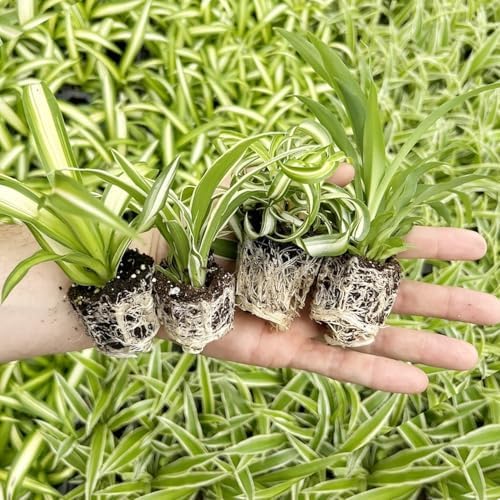
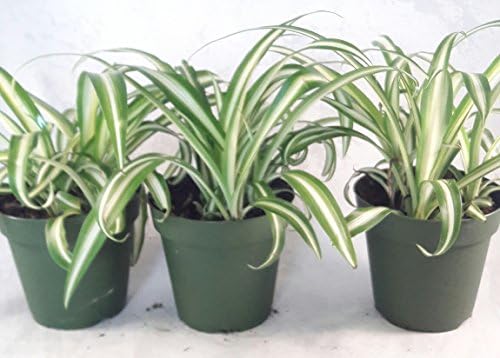
1. Spider Plant (Chlorophytum comosum)
Spider plant is one of the classic NASA “clean air” plants and is known for being extremely hardy and kid‑ and pet‑friendly.
Why it’s backed by science
- Chamber studies have found Chlorophytum comosum can help reduce total volatile organic compounds (TVOCs) and some particulate matter when used in active green wall systems.
- In experiments, spider plants contributed to meaningful reductions of PM10 and PM2.5 in test setups using plant-based filtration.
Best pollutants it may help with
Care tips for maximum benefit
- Place in bright, indirect light.
- Keep soil slightly moist but not soggy.
- Wipe leaves regularly to remove dust so they keep capturing particles.

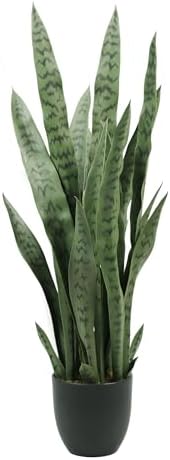
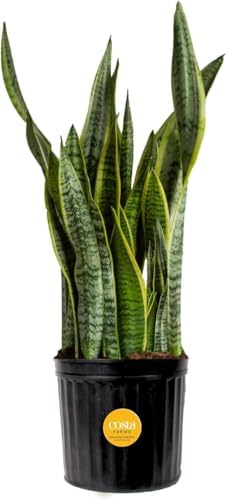
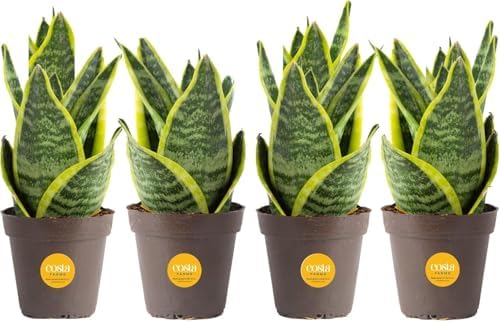
2. Snake Plant (Sansevieria trifasciata or Dracaena trifasciata)
Snake plant is famous for its upright leaves and ability to tolerate low light and infrequent watering.
Why it’s backed by science
- NASA-linked lists and follow‑up work highlight snake plant’s ability to survive in sealed environments while taking up some benzene, formaldehyde, and trichloroethylene in chamber tests.
- Its thick leaves provide a large surface area for trapping dust and interacting with indoor air.
Best pollutants it may help with
Care tips for maximum benefit
- Tolerates low to bright indirect light.
- Water sparingly and let soil dry between waterings.
- Great for bedrooms and offices due to low maintenance.

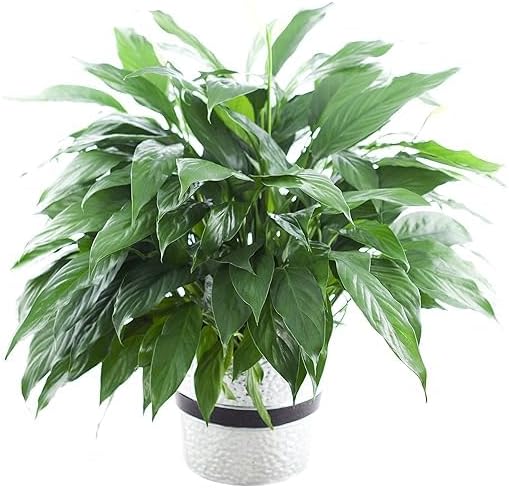
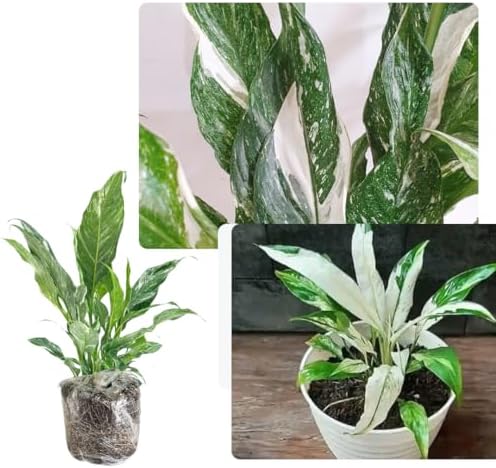
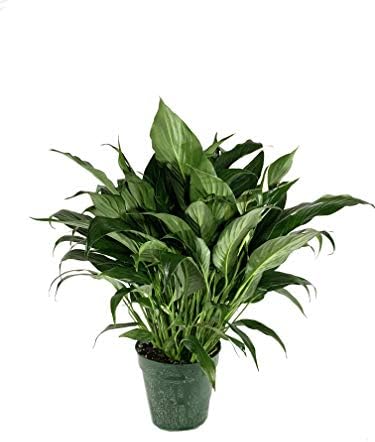
3. Peace Lily (Spathiphyllum wallisii)
Peace lily is a popular flowering houseplant that looks elegant while participating in indoor VOC removal in lab setups.
Why it’s backed by science
- NASA-related lists rank peace lily high for removing formaldehyde, benzene, trichloroethylene, xylene, and ammonia in controlled experiments.
- Its broad leaves provide significant surface area for pollutant uptake.
Best pollutants it may help with
Care tips for maximum benefit
- Prefers medium to low indirect light.
- Keep soil evenly moist and avoid standing water.
- Note: Peace lilies are toxic if ingested by pets or children, so place out of reach.

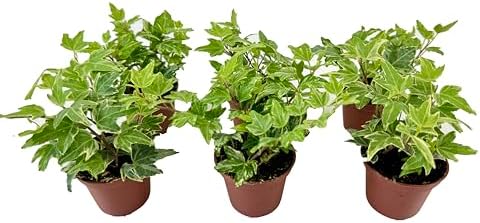
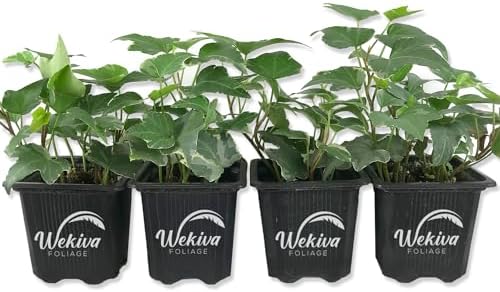
4. English Ivy (Hedera helix)
English ivy is a trailing plant that can climb or cascade from hanging baskets, giving you vertical greenery while participating in pollutant mitigation in test environments.
Why it’s backed by science
- NASA‑inspired lists and lab studies suggest English ivy can help reduce benzene, formaldehyde, and some airborne mold spores in small chambers.
- Its dense foliage increases surface area for trapping particles and interacting with air.
Best pollutants it may help with
Care tips for maximum benefit
- Enjoys bright, indirect light but can tolerate some shade.
- Keep soil slightly moist; avoid waterlogging.
- Toxic to pets and people if ingested, so keep away from curious mouths.


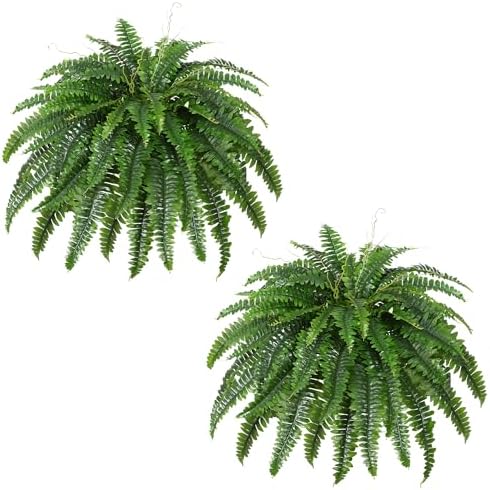
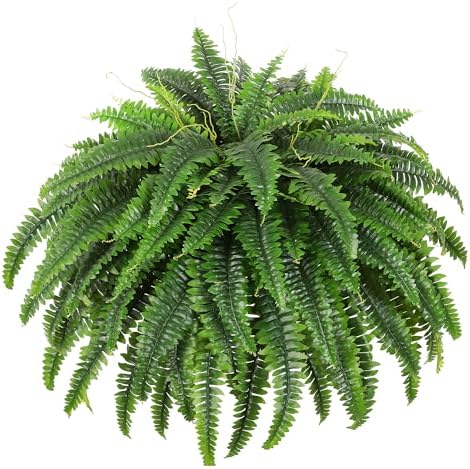
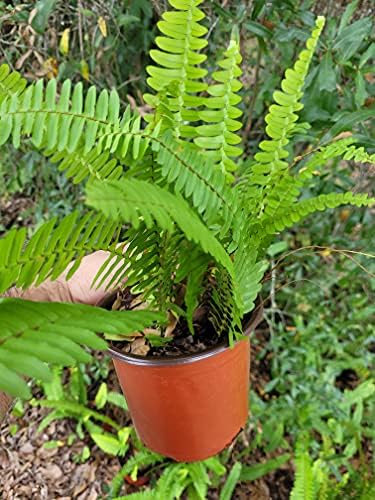
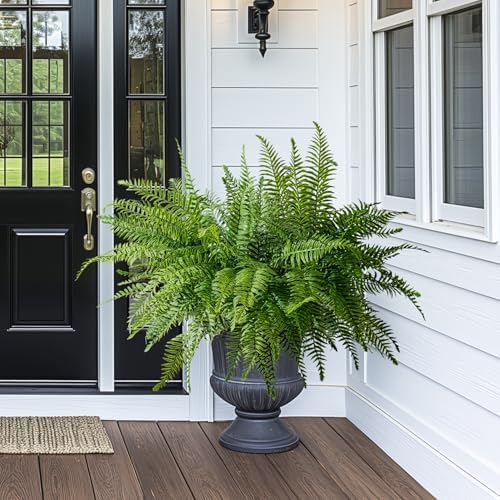
5. Boston Fern (Nephrolepis exaltata)
Boston fern is known for its lush fronds and preference for humid environments, making it ideal for bathrooms or kitchens.
Why it’s backed by science
- Studies have shown that certain ferns, including Nephrolepis exaltata, can remove TVOCs in experimental green wall systems.
- Their high transpiration rates may also influence humidity and perceived air freshness.
Best pollutants it may help with
Care tips for maximum benefit
- Likes bright, indirect light and high humidity.
- Keep soil consistently moist and mist leaves regularly.
- Avoid placing near heating vents or very dry areas.

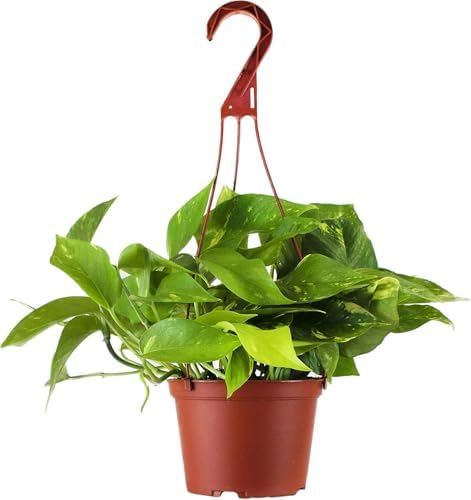
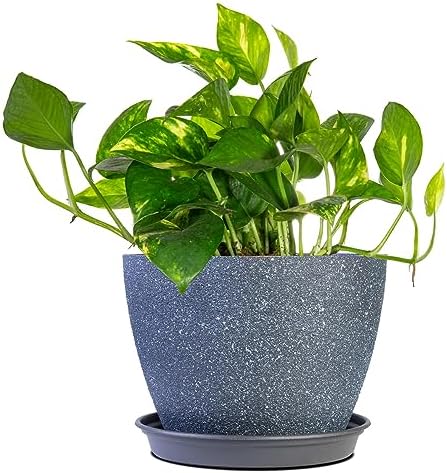
6. Golden Pothos (Epipremnum aureum)
Golden pothos is one of the easiest houseplants to grow and is widely used in plant‑based biofilter systems.
Why it’s backed by science
- Hydroponic systems using Epipremnum aureum with activated carbon have shown high removal rates of formaldehyde and mixed pollutants in closed‑system studies.
- Active botanical biofilters featuring pothos significantly reduced PM2.5, PM10, and VOC concentrations in experimental setups.
Best pollutants it may help with
Care tips for maximum benefit
- Thrives in low to bright indirect light.
- Allow the top of the soil to dry between waterings.
- Toxic if eaten by pets or children, so hang high or place out of reach.



7. Areca Palm (Dypsis lutescens)
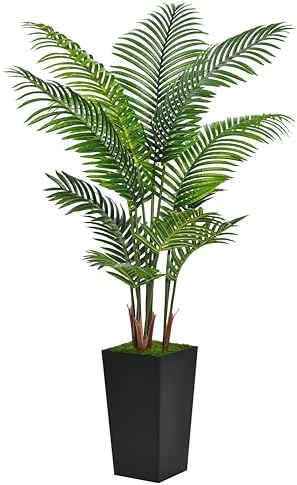
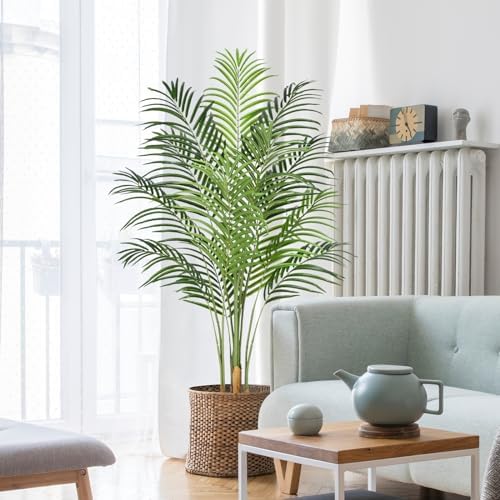
Areca palm adds a tropical, “indoor oasis” feel while contributing to VOC removal in chamber studies.
Why it’s backed by science
- Included on NASA-inspired lists for effective removal of VOCs in experimental conditions.
- Its large, feathery fronds provide substantial leaf surface area for gas exchange and dust capture.
Best pollutants it may help with
Care tips for maximum benefit
- Prefers bright, indirect light.
- Water when the top of the soil is dry; avoid soggy roots.
- Benefits from occasional misting to maintain humidity.



How Many Plants Do You Actually Need?
What Studies Suggest
Real-world modeling shows you would need dozens of plants per room to match the VOC removal rates of a good mechanical ventilation system.
- One review concluded that in typical buildings with normal air exchange, plants alone have a relatively small impact on pollutant levels.
- Active green walls that move air through plant root zones show much stronger pollutant reductions than a few decorative potted plants.
Practical Recommendation
Instead of trying to replace your air purifier or HVAC with plants, think of them as part of a layered approach:
- Aim for several medium plants per main living area if space allows.
- Use a mix of species to cover different growth habits and aesthetic preferences.
- Combine plants with other air quality strategies for best results.
Best Practices: Using Plants in a Clean‑Air Strategy
Combine Plants With Proven Air Quality Habits
Ventilate Regularly
Opening windows when outdoor air is good and using exhaust fans during cooking and showering helps remove moisture and pollutants at their source. Ventilation is still one of the most effective ways to improve indoor air quality quickly.
Control Sources of Pollution
You’ll see bigger gains by reducing what gets into your indoor air in the first place.
- Choose low‑VOC paints, furniture, and cleaners when possible.
- Avoid smoking indoors and minimize use of strong aerosols and fragrances.
Use Filters and Purifiers
High‑efficiency HVAC filters and HEPA air purifiers remove particles and, in some cases, some VOCs much more efficiently than plants.
- Replace filters as recommended by the manufacturer.
- Consider an air purifier sized appropriately for your room if you have allergies, asthma, or live in a high‑pollution area.
Choosing the Right Plants for Your Home
Consider Pets, Kids, and Sensitivities
Some classic “clean air” plants are toxic if ingested, which matters if you have pets or young children.
- Safer options often include spider plant, some palms, and certain ferns.
- Always cross‑check toxicity information with a trusted veterinary or plant database before buying.
Match Plants to Your Light and Lifestyle
Plants can only help if they stay healthy:
- Low‑maintenance: snake plant, pothos, spider plant.
- Higher humidity lovers: Boston fern, some palms.
- Medium-light bloomers: peace lily.
Group plants in spots with suitable light and away from drafts or extreme temperatures for the best long-term results.
Final Thoughts: Science‑Backed Greenery for Cleaner Indoor Air
Indoor plants like spider plant, snake plant, peace lily, English ivy, Boston fern, golden pothos, and areca palm can play a supporting role in improving indoor air quality, especially in combination with good ventilation and filtration. While they are not magic air purifiers, they offer a unique blend of modest pollutant removal, humidity effects, and psychological benefits that contribute to a healthier, more relaxing home.
By choosing the right species, caring for them well, and integrating them into a broader clean‑air strategy, you can enjoy both the beauty of indoor greenery and the evidence‑based benefits they bring to your living space