Home Battery Backup
Keep the lights on when the grid goes off.
Your fridge, Wi-Fi, and essentials stay running. No fuel, no noise, no scrambling in the dark. Silent, fuel-free backup for your home.
A home battery backup stores electricity so your house keeps running when the power goes out — no fuel, no noise, no carbon monoxide. From compact units that hold up your fridge, internet, and a few lights, to whole-home systems that carry entire circuits for days, the right choice depends on how much you need to power and for how long. It’s the difference between riding out an outage in comfort and scrambling in the dark.
This page is where we make it clear. Below you’ll find our hands-on reviews and buying guides covering portable backup units, expandable battery systems, and whole-home setups — with honest takes on what’s worth it and what’s overbuilt for most homes. Further down, our “how to choose” breakdown and FAQ answer the questions homeowners ask most before investing. No hype, no jargon — just clear guidance to help you stay powered through anything.
Home Battery Backup - All Posts

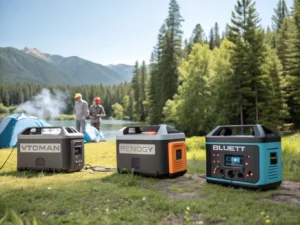
VTOMAN vs Renogy vs Bluetti: The Best Portable Power Station Under $1,000 for Camping and Home Backup (2026)
Disclosure: This post contains affiliate links. If you buy through them, I may earn a small commission at no extra cost to you. I only recommend gear I’d actually trust on my own trips. Disclaimer | Inewfinds.com I bought my first portable power station after a summer storm knocked out
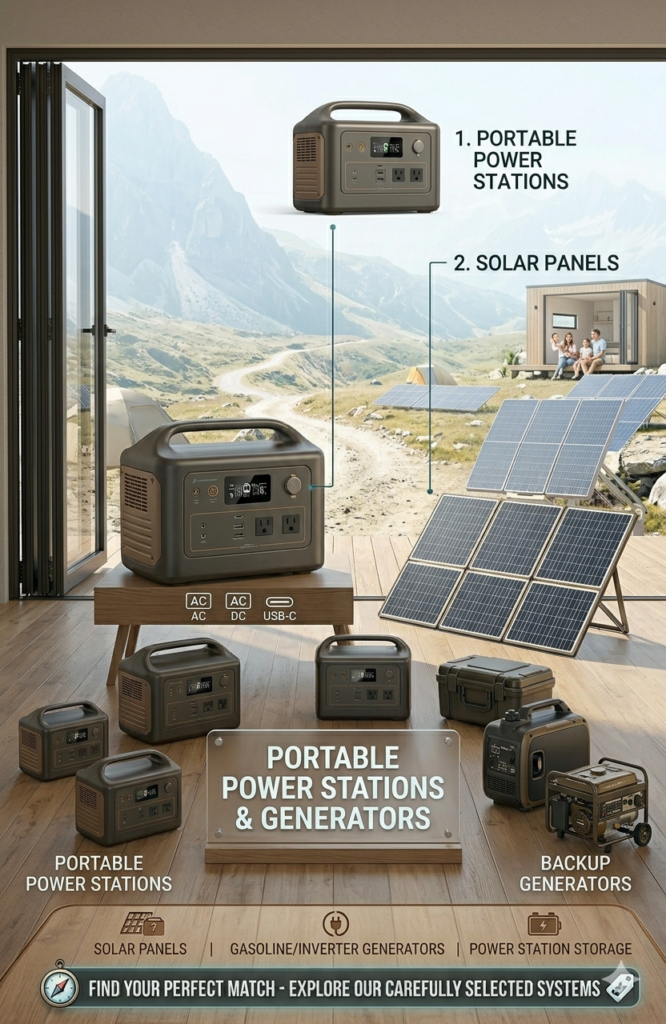
How to Choose the Right Home Battery Backup
1. Capacity (Wh)
How long it lasts. More stored energy means more hours of backup. Size it to the loads you need running and how long your typical outage lasts.
2. Output & Circuits
What it covers. Decide between powering a few essentials (fridge, Wi-Fi, lights) or whole-home circuits. Your output rating must handle everything running at once.
3. Recharge Source
How it refills. Pair with solar for true resilience, or recharge from the grid between outages. Solar-capable systems keep going through long blackouts.
4. Expandability
Room to grow. Modular systems let you add batteries later as your needs rise. Start with essentials and scale up without replacing the core unit.
Frequently Asked Questions
Common Home Battery Backup Questions, Clear Answers.
What is a home battery backup system?
It’s a battery that stores electricity and supplies it to your home when the grid goes down. It can power select essentials or whole-house circuits depending on size. Unlike a gas generator, it’s silent, fuel-free, safe indoors, and switches on automatically or near-instantly in many setups.
How long will a home battery backup last during an outage?
It depends on capacity and what you’re running. Powering just a fridge, internet, and lights, a mid-size unit can last a day or more; running heavy appliances drains it far faster. Pairing it with solar effectively extends backup indefinitely as long as the sun returns each day.
What's the difference between a backup system and going off-grid?
A backup system supplements grid power and only activates during outages, sitting idle the rest of the time. An off-grid system is your sole power source every day, with no utility to fall back on. Backup needs less storage; off-grid needs much more redundancy.
Can a home battery run my whole house?
Yes, with a large enough system — substantial capacity and an inverter rated for your loads. The challenge is high-draw items like central air, electric heat, and well pumps. Many homeowners back up essential circuits rather than everything, which is more affordable and lasts longer.
Is a battery backup better than a gas generator?
For most homes, yes — it’s silent, needs no fuel, is safe indoors, and requires almost no maintenance. It also switches on automatically in many setups. Gas generators still win for very long outages or heavy continuous loads, since you can refuel them indefinitely.
Can I add solar to a home battery backup?
Yes, and it’s the most resilient setup. Solar recharges the battery during the day, so it can carry you through extended outages instead of draining once and stopping. Many systems are designed to integrate panels directly, or you can add them to an existing battery later.
Does a home battery backup work without solar?
Yes. It charges from the grid during normal conditions and discharges when the power fails. You get silent, instant backup without panels — you just won’t be able to recharge during a long outage the way a solar-paired system can.
How much does a home battery backup cost to run?
Very little day to day — you’re mostly paying the upfront cost, then recharging from the grid or sun. There’s no fuel to buy and minimal maintenance. With solar and time-of-use rates, some systems even save money by storing cheap power and using it during expensive peak hours.
How long do home backup batteries last?
Modern LiFePO4 home batteries are typically rated for around ten years or thousands of cycles, slowly losing capacity over time. Most come with a warranty guaranteeing a percentage of capacity after a set number of years. They need little maintenance across their lifespan.
Will a battery backup turn on automatically when the power goes out?
Many home systems are designed to — switching over within milliseconds so you barely notice the outage, which protects sensitive electronics. Portable backup units may need manual connection. Check whether a model offers automatic transfer if seamless switchover matters to you.
Related Category
- Power Stations & Generators
- Portable Power Stations
- Home Battery Backup
- Portable Generators
Newsletter Sign Up
Subscribe to Our Newsletter
Don't Miss Out!
Get the latest on sales, special offer, new releases and more…