Portable Generators
Dependable power that goes where you need it.
Run heavy tools, essential appliances, and your home through any blackout. High output, ready whenever you are.
A portable generator delivers high, sustained power on demand — the go-to when you need to run heavy tools, essential appliances, or carry a home through a long outage. Fuel-powered models offer serious output and run as long as you keep them fed, while inverter models trade some power for quieter, cleaner electricity that’s safe for sensitive electronics. The right pick depends on how much you need to run, for how long, and where you’ll use it.
This page is where we cut through it. Below you’ll find our hands-on reviews and buying guides covering inverter generators, conventional fuel generators, and dual-fuel models — with honest takes on what’s worth buying and what isn’t. Further down, our “how to choose” breakdown and FAQ answer the questions buyers ask most before they spend. No hype, no spec-sheet copying — just clear guidance to help you pick power you can rely on.
Solar Generators - All Posts

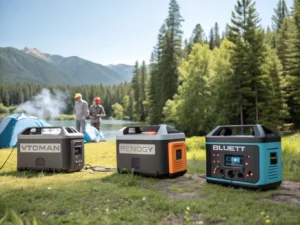
VTOMAN vs Renogy vs Bluetti: The Best Portable Power Station Under $1,000 for Camping and Home Backup (2026)
Disclosure: This post contains affiliate links. If you buy through them, I may earn a small commission at no extra cost to you. I only recommend gear I’d actually trust on my own trips. Disclaimer | Inewfinds.com I bought my first portable power station after a summer storm knocked out
How to Choose the Right Portable Generator
1. Wattage
What it can run. Add up your appliances’ running and startup watts, then pick a generator that clears the total. Size up for headroom on heavy loads.
2. Fuel Type
How you feed it. Gas is common, propane stores longer, and dual-fuel gives you both options. Match the fuel to your access and storage situation.
3. Inverter vs. Conventional
Power quality. Inverter models run quieter and produce clean power safe for electronics; conventional units cost less and push more raw output for tools.
4. Runtime & Noise
How it lives with you. Check runtime per tank and decibel rating. For camping or neighborhoods, a quiet inverter matters; for the job site, raw runtime wins.
Frequently Asked Questions
Common Portable Generators, Clear Answers.
What size portable generator do I need?
Add up the running watts of everything you want to power, then add the startup surge of motor-driven items like fridges and pumps. A few essentials might need 2,000–3,000W; powering much of a home can take 7,500W or more. Always size above your total so you’re not maxing it out.
What's the difference between an inverter and a conventional generator?
An inverter generator produces cleaner, more stable power that’s safe for sensitive electronics, and runs quieter and more fuel-efficiently — but costs more and usually outputs less. A conventional generator is cheaper and pushes more raw power, ideal for tools and heavy loads where power quality matters less.
Can I run a portable generator indoors or in a garage?
No — never. Fuel-burning generators produce carbon monoxide, an invisible, odorless gas that can be fatal. Always run them outdoors, well away from windows, doors, and vents, even in rain or cold. This is the single most important safety rule with any fuel generator.
How long can a portable generator run continuously?
Most run for the length of a fuel tank — often 8 to 12 hours at half load — then need refueling and periodic rest to cool and re-oil. Propane and dual-fuel units can run longer with larger tanks. Continuous multi-day operation requires refueling and maintenance breaks.
Gas vs. propane vs. dual-fuel — which is best?
Gas is widely available and gives strong output but stores poorly. Propane stores almost indefinitely and burns cleaner, with slightly less power. Dual-fuel models run on either, giving you the most flexibility during shortages — which is why many people prefer them for backup.
How do I connect a portable generator to my house?
Safely, the right way is a transfer switch or interlock kit installed by an electrician, which lets the generator power your home’s circuits without backfeeding the grid. Never plug a generator directly into a wall outlet (“backfeeding”) — it’s dangerous to you and utility workers and can damage your home.
Are portable generators loud?
Conventional models can be quite loud, similar to a lawnmower, while inverter generators run noticeably quieter. If you’ll use it for camping, tailgating, or in a neighborhood, check the decibel rating — quieter inverter models are worth the premium where noise matters.
How much maintenance does a portable generator need?
Regular but simple: oil changes, air-filter checks, fresh or stabilized fuel, and periodic test runs so it starts when you need it. Letting old fuel sit is the most common cause of failure. A little upkeep keeps it reliable for years.
What's the difference between a portable generator and a power station?
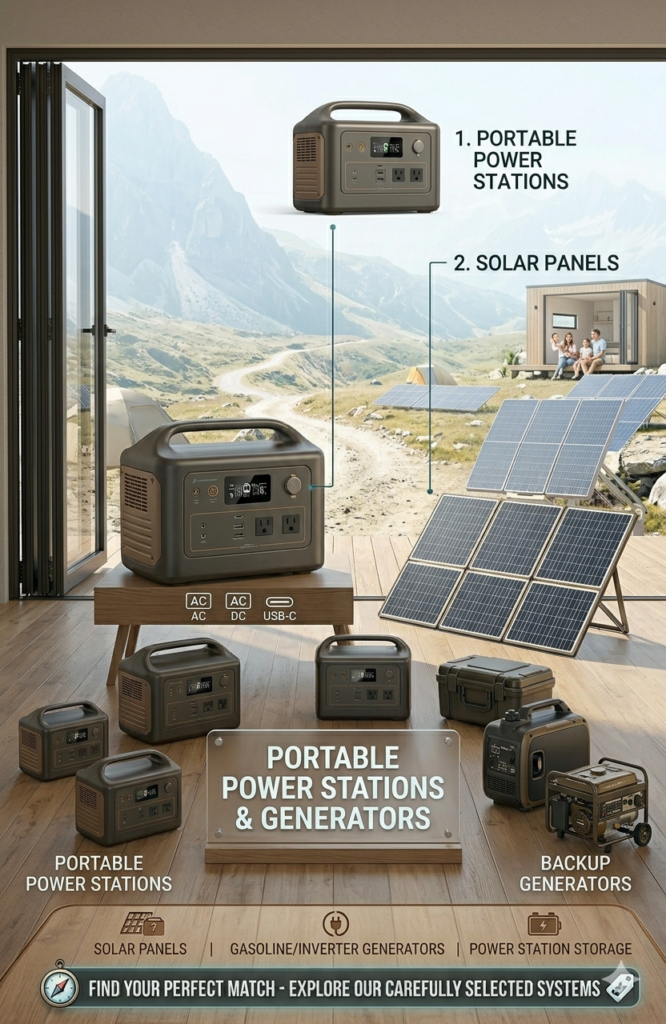
A portable generator burns fuel to make power and offers high, refuelable output, but it’s loud and must run outdoors. A power station is a quiet, fuel-free battery that’s safe indoors but has limited capacity. Many people keep a power station for everyday use and a generator for long, heavy outages.
Can a portable generator power my whole house?
A large one (7,500W+) can run most essential circuits — and sometimes more — through a transfer switch, though central air and electric heat may push its limits. For true whole-home coverage you size the generator to your peak load, or prioritize essential circuits during an outage.
Related Category
- Solar Panel & Generators
- Solar Panels
- Solar Generators
- Off-Grid Energy
Newsletter Sign Up
Subscribe to Our Newsletter
Don't Miss Out!
Get the latest on sales, special offer, new releases and more…