Portable Power Stations
Grab-and-go power for anywhere life takes you.
Charge your devices, run your gear, and never get caught without power. Camping, RV trips, tailgates, work sites, and backup at home.
A portable power station is a rechargeable battery with built-in outlets — a quiet, fuel-free way to run your devices off the grid. Whether you’re charging phones and a laptop at a campsite, keeping a CPAP going overnight, running a mini-fridge on a road trip, or holding the essentials together during a blackout, the right unit comes down to matching capacity and output to what you actually plug in. Too small and it dies early; too big and you’re hauling weight you don’t need.
This page is where we sort it out. Below you’ll find our hands-on reviews and buying guides covering compact units, mid-size everyday workhorses, and high-capacity stations for serious backup — with honest takes on what’s worth the money and what isn’t. Further down, our quick “how to choose” breakdown and FAQ answer the questions buyers ask most before they spend. No hype, no spec-sheet copying — just clear guidance to help you pick power you can carry.
Portable Power Stations - All Posts

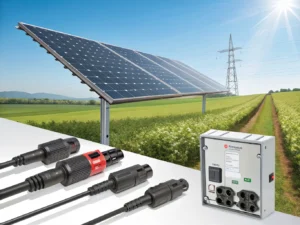
How to Connect a Solar Panel to a Power Station (2026 Guide)
Confused about which adapter connects your solar panel to your power station? This step-by-step guide covers MC4, XT60, and 8mm connectors, voltage limits, and a brand-by-brand cheat sheet.
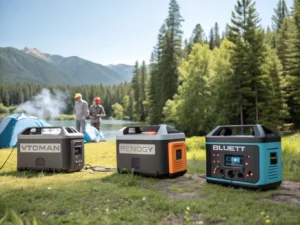
VTOMAN vs Renogy vs Bluetti: The Best Portable Power Station Under $1,000 for Camping and Home Backup (2026)
Disclosure: This post contains affiliate links. If you buy through them, I may earn a small commission at no extra cost to you. I only recommend gear I’d actually trust on my own trips. Disclaimer | Inewfinds.com I bought my first portable power station after a summer storm knocked out
How to Choose the Right Portable Power Station
1. Capacity (Wh)
How much it holds. Around 300Wh covers phones and laptops, 1,000Wh runs a weekend, and 2,000Wh+ handles backup. Bigger capacity means longer runtime.
2. Output (W)
What it can run. Check continuous and surge watts against your gear — a laptop sips, a kettle gulps. Match output to your heaviest device.
3. Portability
How far you’ll carry it. Capacity adds weight fast. Balance the power you need against what’s comfortable to lift and pack.
4. Recharge Options
How you refill it. Wall, car, and solar input all matter. More charging methods and higher solar input mean flexibility wherever you are.
Frequently Asked Questions
Common Portable Power Station Questions, Clear Answers.
What can a portable power station run?
It depends on capacity and output. Smaller units handle phones, laptops, lights, and cameras; mid-size ones add mini-fridges, CPAPs, and TVs; large units can run power tools or essential appliances for a while. Check the device’s wattage against the station’s output to be sure.
How big a power station do I need?
Match it to your heaviest use. Around 300–500Wh covers devices and short trips, 1,000Wh handles a weekend or a CPAP overnight, and 2,000Wh+ suits home-backup essentials. When you’re between sizes, go bigger — running out mid-use is worse than carrying a little extra.
What's the difference between a power station and a solar generator?
They’re often the same device — a “solar generator” is just a portable power station that can recharge from solar panels. The term emphasizes the solar capability. Not every power station ships with panels, so check whether solar input and compatible panels are included.
Can I charge a power station with solar panels?
Yes, if it has a solar input (most modern ones do). You connect compatible panels, usually via MC4 connectors, staying within the unit’s voltage and amperage limits. Recharge speed depends on panel wattage and sunlight — more watts and clearer skies mean faster charging.
Can you run a power station while charging it?
Most modern units support pass-through charging, so you can power devices and recharge at the same time. It’s useful for keeping gear running while you top up from wall or solar. Some heat up under heavy pass-through use, so give them ventilation.
Are portable power stations safe to use indoors?
Yes. They have no engine and burn no fuel, so they produce no carbon monoxide or fumes — unlike gas generators, which are dangerous indoors. That makes them ideal for apartments, indoor backup, and overnight use beside your bed.
How long do portable power stations last?
The battery sets the lifespan. LiFePO4 units are rated for several thousand charge cycles — often around a decade of regular use — while older lithium-ion batteries fade sooner. Check the cycle rating and warranty, and favor LiFePO4 for longevity.
How long will a power station hold its charge unused?
Quality units lose only a small percentage per month when stored, so a full charge can last many months. For battery health, it’s best to store it around half to 80% charged and top it up every few months rather than leaving it full or empty long-term.
Can a portable power station run a refrigerator?
A mid-size to large unit can. A typical fridge cycles on and off, so a 1,000Wh station might keep one running 10–15 hours, and larger units stretch to a day or more. Check both the running and startup (surge) wattage against the station’s output.
What does Wh (watt-hours) actually mean?
Watt-hours measure how much energy the station stores — roughly, how much it can deliver and for how long. A 1,000Wh unit can run a 100W device for about 10 hours (minus small conversion losses). It’s the single most useful number for comparing how much a station can actually do.
Related Category
- Power Stations & Generators
- Portable Power Stations
- Home Battery Backup
- Portable Generators
Newsletter Sign Up
Subscribe to Our Newsletter
Don't Miss Out!
Get the latest on sales, special offer, new releases and more…
Affiliate Disclosure
inewfinds.com is reader-supported. When you buy through links on our site, we may earn a commission at no extra cost to you. We only recommend gear we believe in. Read our full disclaimer.
